
Blood Brain Barrier - Part 1
Comprehensive exploration of the blood-brain barrier's structure, function, and significance in neurophysiology. Covers key concepts for medical students and healthcare professionals.

Micturition Reflex - Nerve Supply to Bladder and Micturition Cycle
Comprehensive exploration of urinary bladder innervation and micturition cycle, covering sympathetic, parasympathetic, and somatic nervous system involvement in bladder function and control.
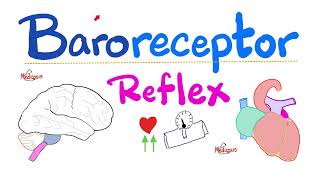
Baroreceptor Reflex in Cardiovascular Physiology - Carotid Sinus and Aortic Arch
Comprehensive exploration of the baroreceptor reflex, covering its anatomy, physiology, and role in blood pressure regulation. Ideal for medical students and healthcare professionals.

The Evolution of Free Will
Explore the fascinating evolution of free will with neuroscientist Kevin Mitchell, delving into brain activity, agency, and the emergence of choice in living beings.
On the Stability of Oscillations in Rheological Models with Delay and Viscous Friction During Morphogenesis
Explore rheological models with delay and viscous friction in morphogenesis, analyzing stability and oscillations in embryonic tissues, particularly in Drosophila CNS development.
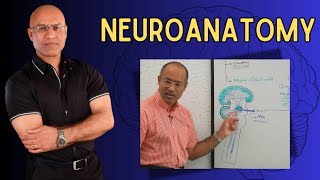
Neuroanatomy, Neurology, and Neuroscience - Comprehensive Overview
Comprehensive exploration of neuroanatomy, covering nervous system structure, functions, and classifications. Delves into sensory systems, motor responses, CNS divisions, and cellular components of neural tissue.

Renin Angiotensin Aldosterone System (RAAS) - Mechanisms and Functions
Comprehensive exploration of the Renin Angiotensin Aldosterone System, covering its mechanisms, components, and physiological effects in regulating blood pressure and fluid balance.
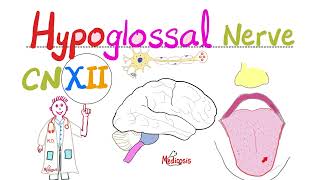
Hypoglossal Nerve - The 12th Cranial Nerve (CN XII) - Neuroanatomy
Comprehensive overview of the hypoglossal nerve's anatomy, function, and clinical significance. Explores its role in tongue movement and potential impacts of nerve damage.
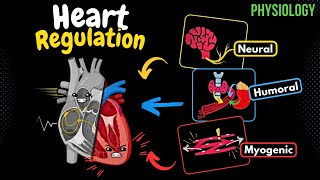
Regulation of the Heartbeat - The Visual Guide
Explore comprehensive cardiac regulation mechanisms, from myogenic and neural to humoral and ionic influences, enhancing understanding of heart physiology for medical education.

Sympathetic Nervous System - Structure and Innervation
Explore the sympathetic nervous system's structure and function, from ganglia to innervation patterns. Learn about neurotransmitters, preganglionic and postganglionic neurons, and autonomic plexuses.
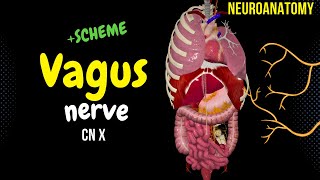
Vagus Nerve: Anatomy, Function, and Course - Cranial Nerve 10
Explore the vagus nerve's anatomy, function, and extensive distribution from head to abdomen. Learn about its components, nuclei, course, and branches in various body regions.

Parasympathetic Nervous System - Structure, Function, and Outflow
Explore the parasympathetic nervous system's structure, function, and outflow. Learn about its role in "rest-and-digest" activities and how it differs from the sympathetic system.
Essentials of Neuroanatomy - CRASH! Medical Review Series
Explore key neuroanatomy concepts for medical licensing exams, covering essential structures and functions of the nervous system.
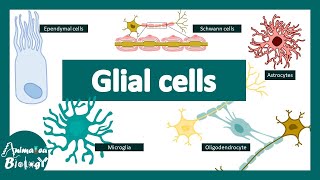
Glial Cells - Neuroanatomy Basics and Types
Explore different types of glial cells in the nervous system, their functions, and importance in neuroanatomy. Gain essential knowledge for USMLE preparation and neurology studies.
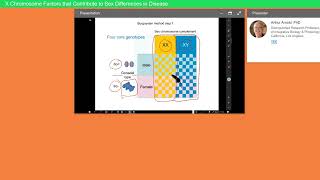
X Chromosome Factors that Contribute to Sex Differences in Disease
Explore mechanisms behind sex differences in disease, focusing on X chromosome factors. Discover non-hormonal origins of sex bias and their impact on disease progression and treatment approaches.
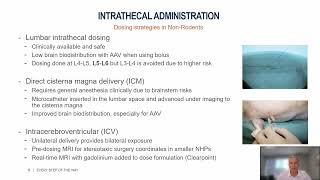
CNS Delivery in Drug Development and Toxicology - Best Practices and Recent Advances
Explore best practices and recent advances in CNS drug delivery for development and toxicology, focusing on emerging therapies, translational challenges, and innovative dosing approaches.
The Known Unknowns: A Process for Bringing In Vivo CNS Dosing into Maturity
Explore challenges and approaches in maturing in vivo CNS dosing techniques. Gain insights on resolving unknowns and establishing best practices for reliable, reproducible data in this evolving field.

Factors Affecting Cardiac Output and Venous Return Physiology
Explore factors influencing cardiac output, its regulation, and venous return physiology. Gain insights into stroke volume and cardiovascular system dynamics.
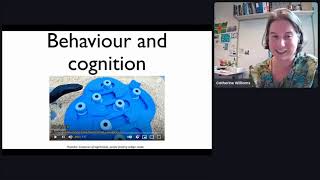
Sentience - Behaviour, Physiology and Pain Sensation in Reptiles
Explore reptile sentience, behavior, and pain perception through cutting-edge research. Gain insights into reptile diversity, cognition, and physiological responses to pain stimuli.

Love as a Catalyst - Harnessing Emotions for Global Change
Explore how understanding and harnessing emotions, particularly love, can drive powerful personal and global change. Learn from Nicole Gibson's insights on emotional awareness and its impact on decision-making and societal evolution.

Neurulation, Neurogenesis, and Neural Tube Formation
Explore neurulation, neurogenesis, and neural tube folding in this animated biology video. Learn key concepts for USMLE and neurology studies.