
Somatic vs Autonomic Nervous System - Physiology
Explore the differences between somatic and autonomic nervous systems, their functions, and how they regulate bodily processes. Learn about motor and sensory components in both systems.

Grounding Techniques for Anxiety
Learn practical techniques to manage anxiety, including breathing exercises, mindfulness practices, and physical grounding methods to regain control and promote calmness.

Regulation of Blood Pressure Physiology - Baroreceptor Short-Term Regulation
Explore baroreceptor mechanisms for short-term blood pressure regulation, enhancing understanding of cardiovascular physiology and homeostasis.
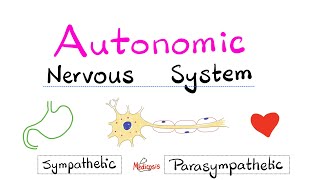
Autonomic Nervous System - Sympathetic vs Parasympathetic - Biology Lectures
Comprehensive exploration of the autonomic nervous system, comparing sympathetic and parasympathetic functions and their effects on various body systems.
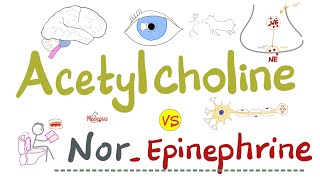
Acetylcholine vs Nor-Epinephrine
Explore the differences between acetylcholine and norepinephrine in neurotransmission, focusing on cholinergic and adrenergic fibers in the autonomic nervous system.

The Sympathetic Response - Fight-Flight - Neurophysiology
Explore the sympathetic nervous system's fight-or-flight response, including its functions, the role of the adrenal medulla, and the effects of norepinephrine on the body.

Autonomic Nervous System
Explore the autonomic nervous system's motor and sensory functions, correcting misconceptions and providing insights into its role in physiology and bodily regulation.

Cholinergic Drugs - Pharmacology - Dr. Najeeb
Comprehensive exploration of cholinergic drugs, their mechanisms, applications, and effects on the nervous system. Covers direct and indirect-acting agents, clinical uses, and potential side effects.

G-Protein and G-Protein-Coupled Receptors - Cell Surface Receptor - Physiology - Endocrinology
Explore G-Protein and G-Protein-Coupled Receptors, key components in cell signaling. Learn about their structure, activation, and role in physiological processes like neurotransmission and hormone action.
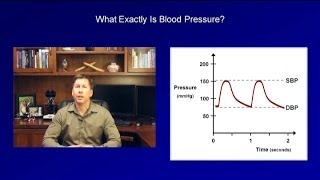
Hypertension - An Introduction to High Blood Pressure
Learn about hypertension's definition, risk factors, and physiological mechanisms. Explore primary and secondary hypertension, including the renin-angiotensin-aldosterone system and sympathetic nervous system's roles.

Adrenergic Drugs Part 2 - Pharmacology
Comprehensive exploration of adrenergic agonists, their mechanisms of action, and classification into direct, indirect, and mixed-acting agents. Detailed insights into sympathomimetic drugs and their effects on the nervous system.

Adrenergic Drugs - Part 1: Mechanisms and Sympathomimetics
Comprehensive exploration of adrenergic drugs, covering mechanisms, classifications, and effects on the sympathetic nervous system. Ideal for medical students and healthcare professionals.

Hypothalamus - Anatomy, Structure, and Function in Neurology
Comprehensive exploration of hypothalamus anatomy, structure, and function in neurology. Covers its role in homeostasis, endocrine regulation, and autonomic control, emphasizing its importance in maintaining bodily balance.
Ciliary Ganglion - Gross Anatomy
Comprehensive exploration of ciliary ganglion anatomy, covering structure, location, and function. Enhances understanding of ocular physiology for medical students and professionals.

Oculomotor Nerve and Clinical Correlates - Part 4
Comprehensive exploration of oculomotor nerve anatomy, function, and related clinical conditions. Enhances understanding of eye movement disorders and neurological diagnoses.

Alpha vs Beta Adrenergic Receptors - Autonomic Nervous System
Explore alpha and beta adrenergic receptors in the autonomic nervous system, comparing cholinergic and adrenergic fibers, and their neurotransmitters.

Neurology - Sympathetic Nervous System
Explore the thoracolumbar outflow of the sympathetic nervous system, including preganglionic cell bodies, target organs, effects, and involved ganglia. Gain in-depth understanding of this crucial neurological component.

Neurology - Autonomic Nervous System
Explore the autonomic nervous system's divisions, synapses, and crucial role in maintaining homeostasis. Gain insights into sympathetic and parasympathetic systems in this comprehensive lecture.
Psychology Introduction - Biology of Behavior - The Nervous System
Explore the human nervous system's organization, including CNS, PNS, and brain structures. Learn about neurotransmitters and their roles in behavior and mental functions.

Cardiovascular - Blood Vessel Characteristics
Explore the key differences between veins and arteries, their unique characteristics, and their roles in the cardiovascular system. Gain insights into blood vessel anatomy and function.

Sympathetic and Parasympathetic Nervous System - Anatomy, Pharmacology Nursing
Comprehensive overview of autonomic nervous system anatomy, physiology, and pharmacology for nurses. Covers sympathetic and parasympathetic divisions, neurotransmitters, and related medications.