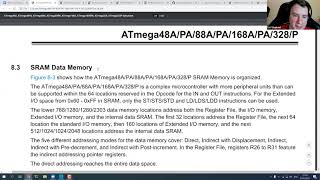
AVR- Architecture, Assembly & Reverse Engineering
Explore AVR microcontroller architecture, assembly programming, and reverse engineering techniques. Learn about memory spaces, GPIO registers, interrupts, and timers in this hands-on class.
LininoOS, LininoIO and ArduinoOS - A Suitable Ecosystem for Linux and MCUs
Explore LininoOS, LininoIO, and ArduinoOS: an integrated ecosystem for IoT development combining Linux and microcontrollers. Learn about package management, GPIO control, and graphical interfaces for embedded systems.
Prototyping New Ideas with the ESP32 and Azure
Learn to prototype IoT ideas using ESP32 and Azure, covering hardware selection, software tools, and end-to-end implementation for efficient product development and validation.
Building a Drone From Scratch - Tutorial
Learn to build an experimental drone platform from scratch, covering requirements, architecture, component selection, and debugging. Gain hands-on experience in robotics and explore related topics like motors, electronics, and radios.
GPIO for Engineers and Makers - Recent Developments and Future Directions
Explore GPIO subsystem changes, including descriptor refactoring, open drain support, and new userspace character device ABI. Learn about hardware descriptions, industrial control applications, and future directions.
Using SoC Vendor HALs in the Zephyr Project
Explore how Zephyr OS integrates SoC vendor HALs, addressing challenges and benefits for efficient RTOS development across diverse hardware platforms.
Zephyr and Trusted Execution Environments for Microcontrollers
Explore Zephyr's implementation of trusted execution environments for ARM microcontrollers, covering hardware requirements, security configurations, and multi-core support.
Picolibc: A C Library for Smaller Systems
Explore Picolibc, a C library optimized for embedded systems. Learn about its features, implementation, and practical applications in small-scale hardware projects.
USB Support in Zephyr OS
Overview of USB device support in Zephyr OS, covering controller drivers, device stack, and basic host support. Includes implementation tips and testing strategies for the USB subsystem.
OTA DFU Without Compromise - A Third Approach for IoT Device Firmware Updates
Explore a novel approach to Over-The-Air Device Firmware Updates that operates externally, offering greater flexibility and stability across various platforms and languages.
Enabling Multi-image Applications with AMP Support on ESP32
Explore ESP32's multi-image support using AMP, covering critical safe systems, scenarios, and limitations. Includes sample code for network communication on CPU0 and dedicated processing on CPU1.
STM32 on Zephyr - What You Need to Know
Explore STM32 device configuration, power management, and Trusted Firmware M support in Zephyr. Learn essential tips and get an overview of the STM32 subsystem's current state and future challenges.
Rustberry Pi: Baby Steps in Embedded Rust - Lecture, September 2022
Explore embedded Rust on Raspberry Pi: control GPIOs, create circuits, and build interactive projects. Perfect for beginners curious about physical computing and hardware interaction.
First Program for the MXCHIP IoT DevKit - Introduction to Embedded Rust
Learn to program the MXCHIP IoT DevKit using Rust, exploring microcontroller basics, custom embedded systems, peripherals, and creating a Snake game on the device.
Measuring and Calculating Battery Runtime for ESP32 Boards - Optimization Techniques
Learn techniques to measure and optimize battery runtime for ESP32 boards, including current measurement, power profiling, and software optimization for IoT applications.
Designing Your Own Electronic Attack Device
Learn to design and create custom electronic attack devices, from circuit boards to complete Linux systems, for personalized and efficient security testing and penetration tasks.
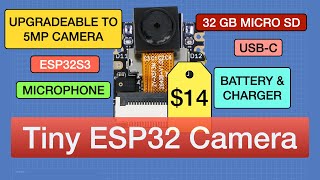
XIAO ESP32S3 Sense - Tiny ESP32 Camera with Microphone and MicroSD
Explore the XIAO ESP32S3 Sense board's features and build a camera with sound recording capabilities. Learn to set up, program, and upgrade this versatile microcontroller.
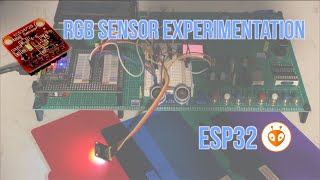
RGB Sensor TCS34725 Experimentation With an ESP32 on Platformio
Explore RGB sensor TCS34725 with ESP32, experimenting with various output applications. Learn to integrate color sensing technology in electronics projects using PlatformIO.
wolfBoot - Open Source Secure Boot and Remote Firmware Updates in Safety-critical Embedded Systems
Explore wolfBoot, an open-source secure bootloader for embedded systems. Learn about its portability, attack mitigation, and suitability for safety-critical applications across various architectures.
Introducing the Zephyr Input Subsystem
Learn about Zephyr's Input Subsystem: design, operation modes, and applications. Explore driver APIs, event processing, and compatibility with various input devices and frameworks.
Running Linux on Tiny Peripherals with Minimal Memory Requirements
Explore running Linux on tiny peripherals with minimal memory, covering device categorization, kernel requirements, and practical implementation strategies.