
Microbiology
Comprehensive exploration of microbiology, covering bacteria, viruses, immune responses, and various diseases, with a focus on mechanisms, treatments, and current health issues like COVID-19.
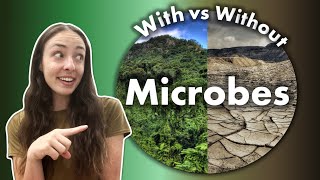
Why Microbes Are Necessary for All Life on Earth - Geo Girl
Explore the crucial role of microbes in Earth's biogeochemical cycles, driving element transformation and sustaining life. Learn about microbial metabolisms and their impact on carbon, nitrogen, sulfur, phosphorus, and metal cycles.
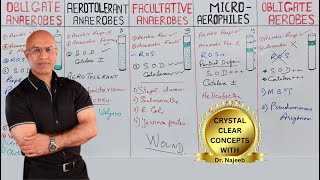
Classification of Bacteria - Aerobes and Anaerobes
Comprehensive exploration of bacterial classification based on oxygen requirements, covering various types from obligate anaerobes to aerobes, with practical applications in microbiology.
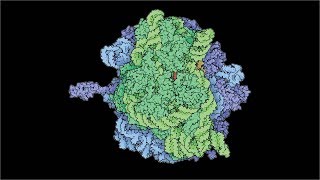
Origins of Life: Chemical Origins - Environments for Studying Origins of Life - Cuatro Ciénegas
Explora los ambientes únicos de Cuatro Ciénegas y su relevancia para el estudio del origen de la vida, examinando las condiciones químicas y geológicas que podrían haber facilitado la aparición de los primeros organismos vivos.
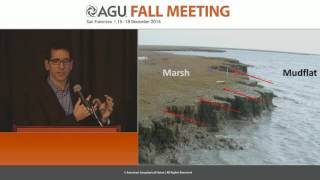
Living Landscapes: Present and Past Interactions Between Coastal Sediments and Biota - Sharp Lecture 2014
Exploring interactions between coastal sediments and biota, from modern wetland erosion to early life evidence in rocks, using models and experiments at the intersection of geomorphology, ecology, and paleontology.
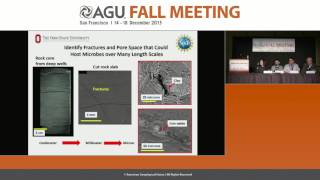
Methane from Hydraulic Fracturing - Microbial Origins and Impact
Researchers unveil the origin and habitat of bacteria in hydraulic fracturing wells, discussing their impact on methane production using genomic analysis, isotopic tracers, lab cultures, and computer models.
Microbiology Challenges in Oncology Practice - Webinar Recording
Explore microbiology challenges in oncology, covering fungal infections, resistant Gram-negative infections, and infection control in hematology-oncology units, with insights from UK and Egyptian practices.
The Inside Story - How the Microbiome Influences Communication Between Our Nervous and Immune Systems
Explore the gut-brain axis and its impact on health, covering topics like neuroimmunity, microbiome, food allergies, and oral tolerance, with insights into gastrointestinal pathologies and potential treatments.

Names of Clinically Important Anaerobic Bacteria
Explore clinically important anaerobic bacteria through a unique mnemonic approach, focusing on Gram-negative species like Bacteroides fragilis, Prevotella, and Fusobacterium.

The Power of Poop - Fecal Transplants and Their Medical Potential
Explore the revolutionary potential of fecal transplants in treating various diseases, from C. diff to Parkinson's, and understand how gut bacteria impact overall health.
Christmas Lectures 2021: Fighting Back Against Viruses - Vaccines and Disease Control
Explore the science of vaccines and their potential to combat viruses and diseases like cancer, featuring insights from leading experts in epidemiology, vaccine development, and microbiology.

The Invisible Enemy: Understanding Viruses and Diagnostic Revolution - Christmas Lectures 2021
Explore the microscopic world of viruses, their impact on our bodies, and revolutionary testing methods with epidemiologist Jonathan Van Tam and expert guests in this engaging Royal Institution lecture.
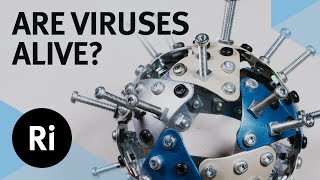
Are Viruses Alive? Exploring the Boundaries of Life
Explore the fascinating boundary between life and non-life as Carl Zimmer delves into the nature of viruses, challenging our understanding of what it means to be alive.
The Rules that Govern Life on Earth
Discover how a few simple rules govern all life on Earth, from cells to ecosystems. Explore groundbreaking biological discoveries and their potential to address major medical and ecological challenges.
Why Dirt and Microbes Could Be Good for Us
Explores the potential benefits of exposure to dirt and microbes, challenging the notion of excessive hygiene and suggesting a balanced approach to microbial interactions for improved health.
Harnessing the Power of Immunology to Heal Ourselves
Explore the complex interplay between immunology and microbes, uncovering potential for novel medicines and therapies. Learn how immune responses in the gut are triggered by infection or inflammation.
Microorganisms: The Future of Food, Fuel and Pharmaceuticals
Explore how microorganisms can revolutionize food production, energy sources, and pharmaceutical development. Learn about their potential to address global challenges and shape our future.

John Tyndall - The Physicist Who Proved the Greenhouse Effect
Explore John Tyndall's diverse scientific contributions, from diamagnetism to the greenhouse effect, and his impact on modern environmental concerns and communication technology.
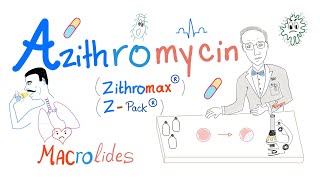
Azithromycin
Explora el antibiótico azitromicina: mecanismo de acción, espectro antimicrobiano, usos clínicos, efectos secundarios y precauciones en este conciso resumen sobre este importante macrólido.

Microbes, Diet, and Immunity - The Interplay of Human Health
Explore the revolutionary impact of microbiome research on medicine, health, and disease. Learn how diet, exercise, and stress affect trillions of microbes in our bodies and their influence on various medical conditions.
Going Viral - Origin Stories of Passion in the Sciences
Renowned scientists share personal stories of how they discovered their passion for science, exploring the intersections of scientific discovery and storytelling in this unique dialogue.