What Is an Image? - C++ Computer Graphics Tutorial - GPU, GUI, 2D Graphics and Pixels Explained
Explore image fundamentals, pixel formats, colorspaces, and GPU complexities in computer graphics. Gain insights into memory allocation, alignment, and API interoperability for efficient image processing.
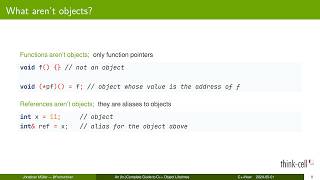
A Deep Dive Into C++ Object Lifetimes
Comprehensive exploration of C++ object lifetimes, covering creation, destruction, temporary extensions, memory management, unions, and related concepts. Insights from standards, proposals, and optimizations.
What's New in SIG-Windows - Kubelet Improvements and Memory Management
Discover the latest kubelet improvements for Windows containers, including memory-pressure eviction, CPU topology management, and other key enhancements for Kubernetes Windows deployments.

Faster Containerized LLM Serving via Knowledge Sharing
Discover how to optimize LLM performance through knowledge sharing systems, reducing processing delays and improving efficiency by enabling multiple LLMs to share cached information on Kubernetes.
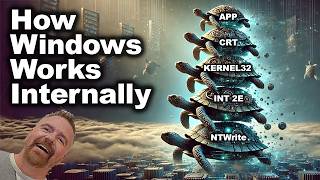
Windows: Under the Covers - From Hello World to Kernel Mode
Dive into the fascinating journey of how a simple printf() command transforms into pixels on screen, exploring Windows' internal mechanisms and kernel-mode operations.
Game Programming: Optimizations, Cache Memory, and Memory Pooling - Lecture 17
Master game optimization techniques through cache memory management, memory pooling, and data structure efficiency for enhanced performance in C++ game development.
Architecting Tomorrow: The Heterogeneous Compute Resources for New Types of Workloads
Dive into modern hardware architecture optimization for Kubernetes workloads, exploring CPU internals, memory types, and resource allocation strategies for enhanced performance and energy efficiency.
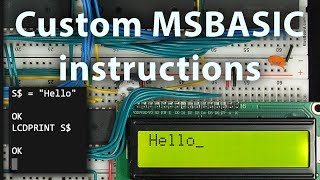
Reverse Engineering Microsoft BASIC - Memory Management and Print Functions
Dive into the intricacies of Microsoft BASIC's internal workings through reverse engineering, exploring memory management, string handling, and PRINT functionality implementation.
Co-dfns Compiler Roadmap and Updates - Implementation and Integration Features
Discover the latest developments in Co-dfns compiler for APL, exploring GPU integration, scalar optimization, static analysis, and traditional APL support through practical use cases and performance insights.
Writing Memory with eBPF - Implementing W3C Trace Context Propagation
Explore advanced eBPF memory writing techniques for W3C trace context propagation, examining available APIs, security implications, and practical solutions for protocol stack implementation.

97 Things Every Java Programmer Should Know
Discover essential Java programming wisdom from industry experts covering IDE efficiency, testing strategies, code readability, garbage collection, and technical interviewing skills for modern development.
Almost Always Vector - Understanding and Optimizing std::vector in C++
Discover the power and efficiency of std::vector in C++, exploring its versatility for data manipulation, performance implications, and why it's the go-to container for most programming scenarios.
/proc for Security Analysts - Unveiling Threats and Forensic Treasures
Explore Linux's /proc filesystem for security analysis, learning essential techniques for threat detection, process monitoring, and digital forensics in real-world scenarios.
Sustaining Git Performance Under Heavy Workloads - An AI-Driven Approach
Discover how AI-driven maintenance strategies optimize Git repository performance under heavy workloads, focusing on efficient solutions beyond traditional GC and geometric repacking methods.

SSD Architecture Challenges: Understanding DRAM Impact and Indirection Units
Dive into SSD architecture fundamentals, exploring DRAM impacts, Indirection Unit sizing, and architectural solutions for extreme-capacity storage systems with practical implementation strategies.
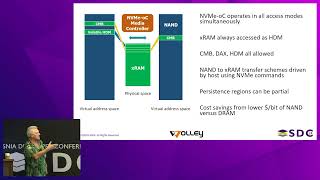
NVMe Over CXL: Virtualizing System Resources for Efficient Data Management
Discover how NVMe over CXL technology revolutionizes data center efficiency by virtualizing system resources, reducing data movement by 97%, and integrating storage, memory, and persistence capabilities for enhanced performance.
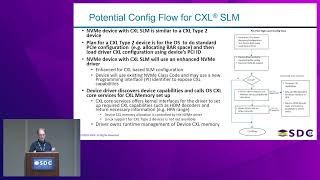
Host Addressable Subsystem Local Memory with NVMe and CXL Integration
Explore the integration of CXL and NVMe protocols, focusing on host addressable Subsystem Local Memory, computational storage benefits, and emerging developments in memory disaggregation.

Optimized Resource Allocation for CXL Tiered-Memory Systems
Explore advanced techniques for optimizing CXL tiered-memory systems, focusing on efficient resource allocation, workload profiling, and performance enhancement in data center environments.
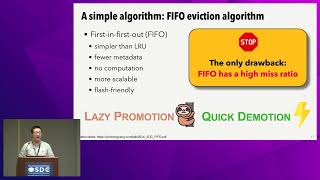
No More LRU: Simple Scalable Caching with FIFO Queues
Discover how S3-FIFO revolutionizes cache eviction algorithms, offering superior scalability and efficiency over traditional LRU methods through a simple three-queue design that optimizes data access in modern storage systems.

Memory Optimizations in Machine Learning
Discover essential memory optimization techniques for machine learning, from data quantization to model pruning, and learn efficient strategies for minimizing resource consumption across different hardware setups.

CXL Technology for AI and ML Workloads - Memory Expansion and Performance Optimization
Explore how CXL technology revolutionizes AI/ML workloads through memory expansion, pooling, and sharing. Master performance optimization techniques for large language models and learn practical implementation strategies.