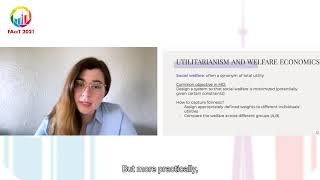
Bridging Machine Learning and Mechanism Design towards Algorithmic Fairness
Explore the intersection of machine learning and mechanism design to address algorithmic fairness challenges in AI systems, focusing on innovative approaches and ethical considerations.
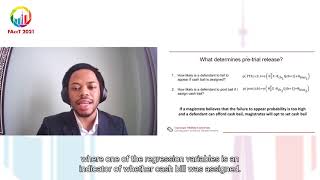
A Bayesian Model of Cash Bail Decisions
Explore a Bayesian approach to modeling cash bail decisions, examining the factors influencing judicial determinations and their implications for fairness in the criminal justice system.

Profiling and Representation
Explores bias in semantic representations, fair crowdsourced recommendations, profiling potential of computer vision, and rich subgroup fairness in machine learning. Discusses ethical implications in AI and data science.
Translation Tutorial - People Analytics and Employment Selection
Explore the use of machine learning in employment decisions, covering legal aspects, discrimination theories, and impact measurement of people analytics tools in hiring processes.
Quantifying and Reducing Gender Stereotypes in Word Embeddings
Hands-on exploration of gender biases in word embeddings, quantifying stereotypes, and implementing techniques to reduce bias in natural language processing applications.
Translation Tutorial - A Shared Lexicon for Research in Human-Centered Software Systems
Explore key terms in fairness, accountability, and transparency in algorithmic systems. Learn how different disciplines interpret these concepts to improve cross-disciplinary communication and research in human-centered software.
Auditing Black-box Models
Learn techniques to audit and interpret complex machine learning models, focusing on detecting unintended dependencies and biases using a specialized software library through hands-on examples.
21 Definitions of Fairness and Their Politics
Explore 21 mathematical definitions of fairness in machine learning, their embedded values, and implications for ethics and policy. Gain insights into the complexities of algorithmic fairness and its connection to theories of justice.
Fairness in Machine Learning - Lessons from Political Philosophy
Explore the intersection of machine learning fairness and political philosophy, drawing insights to address ethical challenges in AI decision-making systems.
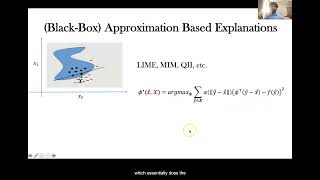
Model Explanations with Differential Privacy
Explore techniques for generating privacy-preserving explanations of machine learning models, balancing transparency with data protection in AI systems.
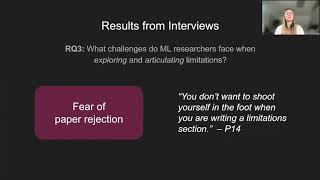
REAL ML - Recognizing, Exploring, and Articulating Limitations in Machine Learning Research
Explore key strategies for identifying, investigating, and communicating limitations in machine learning research to enhance transparency and foster responsible AI development.
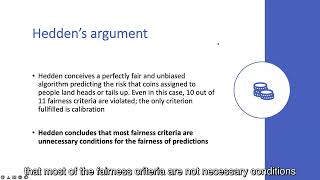
People Are Not Coins - Morally Distinct Types of Predictions Necessitate Different Fairness Constraints
Explore ethical implications of AI predictions and fairness constraints in different contexts, examining moral distinctions and their impact on algorithmic decision-making.
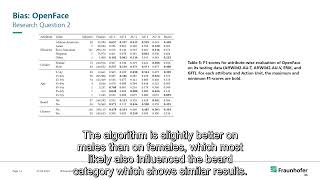
Bias Evaluation on Data and Algorithms for Affect Recognition in Faces
Explore bias in facial affect recognition algorithms, examining data and methods to identify and mitigate demographic disparities in emotion detection accuracy.
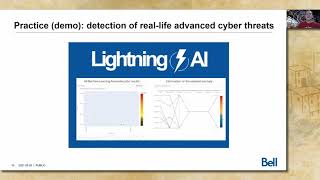
Data Science Way to Deal With Advanced Threats
Explore data science methods for advanced threat detection in SOCs, combining unsupervised and supervised learning to reduce false positives and streamline anomaly triage using ML and interactive visualizations.

Analysis of High Level Intermediate Representation in a Distributed Environment for Large Scale Malware Processing
Explore advanced malware analysis techniques using distributed reverse engineering and machine learning to identify code similarities and extract key characteristics from millions of samples.
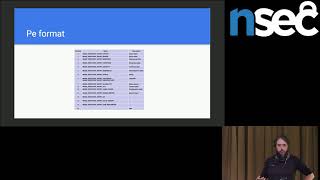
Python and Machine Learning
Explore machine learning for malware categorization using Python and scikit-learn. Learn to transform data, apply clustering algorithms, and generate YARA rules for effective malware hunting.

What Really Happens When You Mix Medications?
Explore how machine learning in drug development helps uncover adverse effects of medication interactions, revolutionizing our understanding of pharmaceutical safety.
How Doctors Can Help AI to Revolutionize Medicine
AI's potential to enhance medical decision-making and expand doctors' healing capabilities, with insights from neuroscience and machine learning for the future of healthcare.
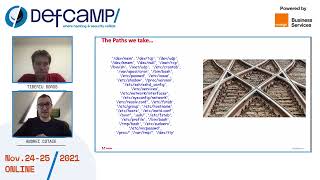
Hunting for LoLs - A ML Living of the Land Classifier
Explore machine learning techniques for detecting Living off the Land attacks, enhancing cybersecurity defenses against sophisticated threats that leverage legitimate system tools.
Machine Learning and Advanced Analytics in Today's Cyber Security
Explore machine learning and advanced analytics applications in modern cybersecurity, focusing on innovative techniques to enhance threat detection and response in today's digital landscape.

Cybersecurity - Is Machine Learning The Answer?
Panel discussion exploring the potential of machine learning in addressing cybersecurity challenges, featuring insights from industry experts on its applications, limitations, and future prospects.