PowerShell Classification - Life, Learning, and Self-Discovery
Explore PowerShell's significance in cybersecurity, including exploit frameworks, logging, and evasion tactics. Learn about machine learning applications for analyzing PowerShell data and improving detection efficacy.

Comparing Function Embeddings
Explore function embeddings and their comparison techniques for enhanced malware analysis and reverse engineering tasks.
JARVIS Never Saw It Coming - Hacking Machine Learning in Speech, Text and Face Recognition
Explore vulnerabilities in machine learning systems for speech, text, and face recognition, uncovering potential security risks and attack vectors in AI technologies.

Static Detection of Novel Malware Using Transfer Learning with Deep Neural Networks
Explore innovative malware detection techniques using transfer learning and deep neural networks for enhanced cybersecurity and threat prevention.
Security AI in the Real World - Lessons Learned from Building Practical Machine Learning Systems Deployed to Hundreds of Thousands of Networks
Explore practical machine learning systems for network security, drawing insights from large-scale deployments and real-world applications.
Model Robustness Isn't Security
Explore the critical distinction between model robustness and security in AI systems, uncovering potential vulnerabilities and implications for machine learning applications.
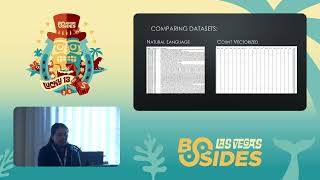
Repurposing Vulnerability Tickets to Predict Severity Levels - An Introduction to Natural Language Processing and Classification Algorithms
Explore natural language processing and classification algorithms to predict vulnerability severity levels using ticket data, enhancing cybersecurity decision-making and resource allocation.
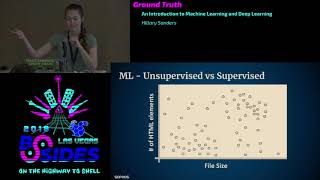
An Introduction to Machine Learning and Deep Learning
Explore machine learning and deep learning fundamentals, applications, and key concepts with expert Hillary Sanders in this comprehensive introduction.
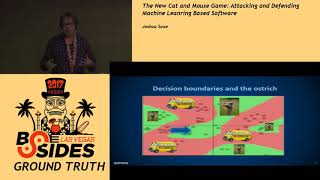
The New Cat and Mouse Game - Attacking and Defending Machine Learning Based Software
Explore techniques for attacking and defending machine learning-based software, including practical demonstrations and insights from academic literature.
AI in a Minefield - Learning from Poisoned Data
Explore the challenges and strategies for AI systems learning from compromised or manipulated datasets, focusing on data poisoning threats and mitigation techniques.

Bias Preservation in Machine Learning - The Legality of Fairness Metrics Under EU Non-Discrimination Law
Explore the legal implications of fairness metrics in machine learning under EU non-discrimination law, examining bias preservation and its impact on algorithmic decision-making.
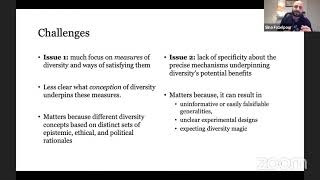
Sociocultural Diversity in Machine Learning - Lessons from Philosophy, Psychology, and Organizational Science
Explore sociocultural diversity in machine learning through insights from philosophy, psychology, and organizational science. Gain valuable lessons for creating more inclusive and effective AI systems.
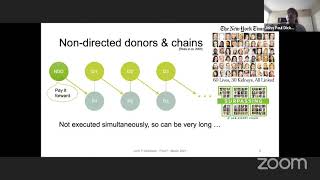
Translation Tutorial - From Publishing to Practice - Bringing AI Model Monitoring to a Healthcare Setting
Explore AI model monitoring in healthcare, focusing on practical implementation, ethical considerations, and real-world challenges faced by industry professionals.

Bias Preservation in Machine Learning - The Legality of Fairness Metrics Under EU Non-Discrimination Law
Explore the legal implications of fairness metrics in machine learning under EU non-discrimination law, focusing on bias preservation and its impact on algorithmic decision-making.

Explainable ML in the Wild - When Not to Trust Your Explanations
Explore the limitations and potential pitfalls of explainable machine learning, focusing on when to be cautious about trusting ML explanations in real-world applications.

Evaluation of Adaptive Systems
Learn techniques for evaluating adaptive systems, including user modeling, personalization, and group-based approaches to improve search rankings and address data sparsity challenges.
Hands on Data and Algorithmic Bias in Recommender Systems
Explore data and algorithmic bias in recommender systems through real-world examples, practical use cases, and mitigation techniques. Gain hands-on experience with Jupyter notebooks using data from actual platforms.

A Gentle Introduction to Recommendation as Counterfactual Policy Learning
Explore cutting-edge recommender systems through counterfactual policy learning. Learn theoretical frameworks, algorithms, and practical applications using RecoGym simulation environment.
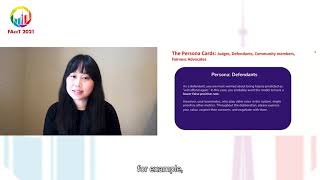
Value Cards - An Educational Toolkit for Teaching Social Impacts of Machine Learning through Deliberation
Explore an innovative educational toolkit using value cards to teach the social impacts of machine learning through deliberation and critical thinking.
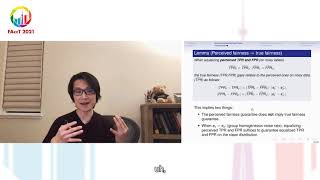
Fair Classification with Group-Dependent Label Noise
Explore group-dependent label noise in fair classification, addressing challenges and proposing solutions for improved algorithmic fairness in machine learning models.

Socially Fair k-Means Clustering
Explore socially fair k-means clustering algorithms, addressing fairness in machine learning and data analysis. Learn about innovative approaches to balance accuracy and social equity in clustering techniques.