How AI Can Make the World Safer
Explore how AI revolutionized criminal justice in Madurai and its potential for wider societal impact. Senthil Kumar Murugesan shares insights on leveraging technology for social innovation and mindset change in India.

3 Biggest Concerns With AI in Filmmaking - Jon Reiss
Filmmaker Jon Reiss discusses AI's impact on content creation, addressing concerns about data extraction, content generation, and strategies for coexisting with AI in the creative industry.

On AI: Discourses on Application, Convergence, and the Future of Humanity
Explore AI's impact on society, addressing challenges in ethics, transparency, and fairness. Gain insights from industry leaders on collaborative frameworks and stakeholder engagement for responsible AI development.
Ethical Algorithms and Licensing Impasses: The Intersection of Free Software and AI Openness
Explore the intersection of ethical AI, free software, and licensing challenges. Examine the impact of restrictive practices on digital autonomy and the open-source ecosystem.

Germany - Low Crime, Clean Prisons, Lessons for America
Explore Germany's low crime rates and prison system, comparing them to the US. District Attorney Jeff Rosen discusses potential lessons for American criminal justice reform.

The Future of Data Protection - Adapting to the Privacy Imperative
Explore the future of data protection, privacy regulations, and organizational responses. Gain insights into managing privacy risks and upcoming issues shaping business behavior.

Practical Osint
Explore practical Open Source Intelligence techniques for gathering and analyzing publicly available information, enhancing your cybersecurity and investigative skills.
Hacking the Law - A Call for Action – Bug Bounties Legal Terms as a Case Study
Explore legal challenges in bug bounty programs, focusing on terms of service, safe harbor provisions, and potential risks for ethical hackers. Learn strategies to improve legal frameworks.
You're Just Complaining Because You're Guilty - A Guide for Citizens and Hackers to Adversarial Testing of Software Used in the Criminal Justice System
Explore adversarial testing of criminal justice software, empowering citizens and hackers to challenge and verify systems that impact lives and liberty.
Parole Denied - One Man's Fight Against a COMPAS Risk Assessment
Exploring the impact of COMPAS risk assessment in prisons, focusing on Question 19's influence on parole decisions and the challenges faced by inmates in addressing algorithmic bias.

A Bayesian Model of Cash Bail Decisions
Explore a Bayesian approach to modeling cash bail decisions, examining the factors influencing judicial determinations and their implications for fairness in the criminal justice system.
What Is Discrimination, When Is It Wrong and Why?
Exploration of discrimination's definition, permissibility, and ethical implications. Surveys scholarly perspectives on discrimination law's purpose and debates surrounding various approaches to identifying wrongful discrimination.
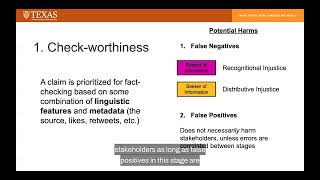
Justice in Misinformation Detection Systems - An Analysis of Algorithms, Stakeholders, and Potential Harms
Explore the ethical implications and potential harms of misinformation detection algorithms, analyzing stakeholder impacts and justice considerations in AI-driven content moderation.
What Lies Behind Canada's Internet Regulation Reversal?
Exploring Canada's shift from pro-innovation to regulatory approach in Internet policy, covering broadcast, news media, online harms, and privacy regulations. Unpacks recent developments and government plans.

Law, Metaphor and the Encrypted Machine
Explore legal metaphors for encryption technology and their implications on civil liberties, commercial interests, and policy decisions in the digital age.

Exposing the Deadly Health Risks of Incarceration
Uncovers hidden health risks in jails, including "jail attributable death" and "dual loyalty," and explores solutions to bridge the gap between community and correctional healthcare.
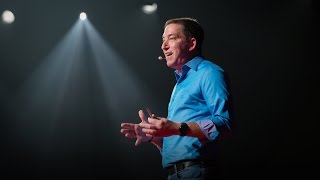
Why Privacy Matters
Revelations about extensive US surveillance of private citizens and why privacy is crucial, even for those with "nothing to hide." A compelling argument for safeguarding personal privacy in the digital age.

The Problem with Eyewitness Testimony
Explore how human memory can create false eyewitness accounts in criminal cases, challenging our understanding of perception and recall in high-stakes situations.

Re-examining the Remix
Explore copyright and remix culture through a political lens as Lawrence Lessig challenges conventional views and offers insights on intellectual property in the digital age.
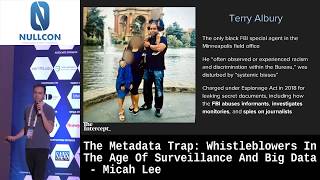
The Metadata Trap - Whistleblowers in the Age of Surveillance and Big Data
Explores surveillance challenges for whistleblowers, analyzing evidence used in US prosecutions and discussing global implications for privacy and information security in the digital age.
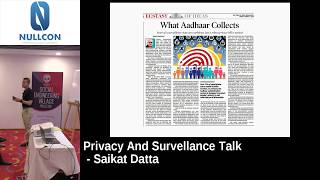
Privacy and Surveillance Talk
Explore the complex interplay between privacy and surveillance in the digital age, examining current challenges and potential implications for individuals and society.