Secure and Fast MicroVM for Serverless Computing
Explore Firecracker: an open-source virtualization technology for secure, efficient serverless computing. Learn its design, architecture, and integration with AWS services and open-source projects.
Accelerating Machine Learning DevOps with Kubeflow
Explore Kubeflow for seamless machine learning deployment on Kubernetes. Learn to move models from development to production efficiently, enhancing ML DevOps practices.
Troubleshooting & Debugging Microservices in Kubernetes
Learn effective techniques for troubleshooting and debugging microservices in Kubernetes, drawing from Google's extensive experience with containerized applications at scale. Gain insights into essential tools and best practices.

How We Built Google Tulip by Using Serverless Technology and Machine Learning
Explore how Google Tulip was built using serverless technology and machine learning, covering data gathering, model training, and deployment with CloudRun and DialogFlow.
Journeys to Cloud Native Architecture - Sun, Sea & Emergencies
Explore real-world challenges and lessons learned in adopting Cloud Native architecture, including microservices, Kubernetes, and security considerations for successful implementation.
Welcome to Serverless 2.0
Explore Serverless 2.0: portable, container-based solutions on Kubernetes. Learn about OpenFaaS, industry trends, and real-world applications through interactive demos and case studies.
Getting to Grips with Kubernetes RBAC
Demystifying Kubernetes RBAC by comparing it to Linux file permissions. Learn about roles, role bindings, and best practices for implementing secure access controls in your Kubernetes cluster.
Using Kubernetes for Machine Learning Frameworks
Explore Kubernetes for machine learning frameworks, covering setup, training, and inference phases. Learn to deploy TensorFlow, Apache MXNet, and PyTorch on Kubernetes clusters for efficient ML model production.
Observability, Distributed Tracing & the Complex World
Explore observability and distributed tracing in complex architectures. Learn key concepts, tools, and standards for effective monitoring and troubleshooting in microservices and hybrid cloud environments.
Serverless is the Abstraction We Deserve
Explore serverless architecture's benefits and challenges, from simplified development to potential complexities in debugging and performance analysis. Learn how it compares to containers and Kubernetes.

Kubernetes Operability Tooling
Explore open-source tools for deploying and managing Kubernetes clusters on Azure, including Helm, Draft, Brigade, and Duffle. Learn practical techniques for reproducible and versioned cluster management.
The World after Microservice Migration with Service Mesh and Contract Testing
Explore service mesh and consumer-driven contract testing for microservices, covering implementation, benefits, and practical examples using tools like Istio and Pact Broker.
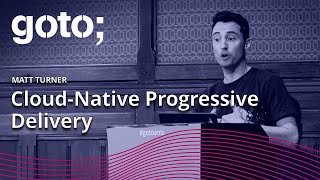
Cloud Native Progressive Delivery
Explore progressive delivery in cloud-native environments, covering canary deployments, automated rollbacks, and traffic mirroring. Learn to make releases safer, faster, and more efficient using modern tools and techniques.
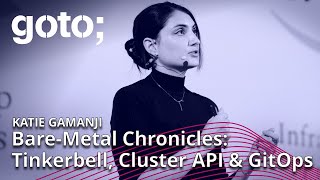
Bare-Metal Chronicles - Intertwinement of Tinkerbell, Cluster API & GitOps
Explore cloud-native tools for robust bare-metal infrastructure deployment, focusing on Tinkerbell, Cluster API, and GitOps. Learn how these technologies modernize provisioning models for enterprise-level Kubernetes adoption.

Inner Development Loop with Java on Kubernetes
Explore cloud-native development on Kubernetes using Java, Spring Boot, and tools like Cloud Native Buildpacks, Tilt, Knative, and ArgoCD to enhance productivity and streamline the path to production.
Building a Managed Platform While Maintaining a Good Developer Experience
Explore building a managed Kubernetes platform that balances operational concerns and flexibility while maintaining a good developer experience. Learn about integrating components like Flux and Prometheus Operator.
Kubernetes, Your Next Java App Server
Explore how Kubernetes and OpenShift provide critical runtime infrastructure for JVM-based applications, replacing traditional application servers in cloud-native environments.
Small is Beautiful - Using ClickHouse Data Warehouse for Edge Analytics
Explore ClickHouse's powerful features for edge analytics, including efficient data storage, parallel processing, and seamless integration with cloud environments.
Running Your Own Postgres Database-as-a-Service on Kubernetes
Learn to deploy and manage a scalable, high-availability Postgres database service on Kubernetes, covering key aspects like backups, monitoring, connection pooling, and scaling capabilities.
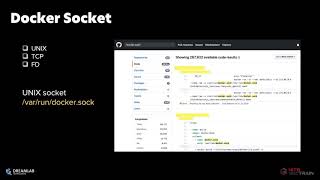
Applied Defense on Docker and Kubernetes
Implement advanced security features for Docker and Kubernetes environments. Learn to protect containerized ecosystems, secure daemons, and safeguard orchestrated deployments against potential threats.
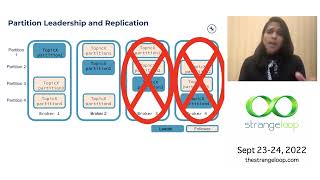
Disaster Recovery Options Running Apache Kafka in Kubernetes
Explore disaster recovery strategies for Apache Kafka on Kubernetes, including active-active replication and multi-regional clusters. Learn to architect reliable deployments and leverage automation tools for mission-critical applications.