Importing Lab Data to a Jupyter Notebook Using Pandas
Learn to import lab data into Jupyter notebooks using pandas, access and manipulate the data, and create plots with customized labels for effective data analysis and visualization.
Jupyter for First-Time Users - Introduction to Notebooks and Code Execution
Learn to use Jupyter notebooks for coding projects, including markdown, LaTeX, code execution, and debugging. Ideal for beginners in scientific computing and data analysis.
Python for Data Science - Getting Started
Learn Python for data science: set up Jupyter Notebooks, understand its basics, write your first code, and explore Python in various environments. Perfect for beginners starting their data science journey.

Jupyter Notebook Tutorial - Introduction, Setup, and Walkthrough
Learn to install, set up, and use Jupyter Notebooks for interactive coding, data visualization, and markdown text creation. Essential for data science and beneficial across various fields.

Tracking and Mapping Wi-Fi Networks from Aerial Drones - Data Visualization Tutorial
Learn to visualize Wi-Fi network data collected by drones using Python, Google Colab, and Jupyter notebooks. Explore techniques for mapping, clustering, and identifying specific devices.
Why You Should Use Jupyter Labs for Robotics
Explore interactive programming for robotics with Jupyter Labs, covering installation, cell types, code execution, and practical applications for SMARS robots.

Jupyter Notebook Complete Beginner Guide - From Jupyter to Jupyterlab, Google Colab and Kaggle
Comprehensive guide to Jupyter environments: from basic notebooks to JupyterLab, Google Colab, and Kaggle. Learn setup, features, and shortcuts for efficient data science workflows.

Python Tutorial for Absolute Beginners - What Are Variables?
Beginner-friendly introduction to Python variables using Jupyter Notebook. Learn basic concepts, installation, and practice with a hands-on problem-solving approach.
Historical Fear and Greed Index Data - Jupyter Notebooks
Explore historical Fear and Greed Index data using Jupyter Notebooks for backtesting and analysis, enhancing your understanding of market sentiment trends.
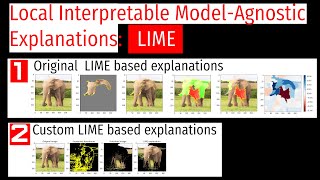
Apply LIME to Explain, Trust, and Validate Your Predictions for Any ML Model
Learn to implement LIME for explaining ML model predictions, with hands-on exercises using image classification models and custom Python implementations.
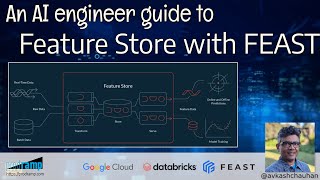
An AI Engineer Technical Guide to Feature Store with FEAST
Comprehensive guide to FEAST feature store for AI engineers, covering installation, setup, data handling, and integration with machine learning models. Includes hands-on examples and architecture review.
From Idea to Model: Productionizing Data Pipelines with Apache Airflow
Learn to productionize data pipelines using Apache Airflow, bridging data science and engineering. Explore collaborative workflows, custom operators, and scalable solutions for efficient model deployment and iteration.
Getting Started with Jupyter Notebook
Learn to create interactive computational documents with Jupyter Notebook, exploring its architecture, features, and practical applications in data analysis and machine learning.
Portable and Scalable Data Visualization Techniques for Apache Spark and Python Notebooks
Explore portable and scalable data visualization techniques for Apache Spark and Python notebooks, covering strategies, packages, headless rendering, animations, and big data integration.

Jump Start on Data Science with an Azure Data Science VM
Learn to quickly set up and use an Azure Data Science Virtual Machine, equipped with essential tools for data science and machine learning projects.

Jupyter Notebooks - An Introduction
Learn to create interactive documents combining code, visualizations, and text using Jupyter Notebooks. Explore features, languages, and applications across various industries.

Build Machine Learning Blog with FastPages - Jupyter Notebook-Based Data Science Platform
Learn to create a free machine learning blog using FastPages, a powerful tool for data scientists to publish content from Jupyter Notebooks, Markdown, and Word documents.
Automate and Deploy Jupyter Notebooks with GitHub Actions - MLOps
Learn to automate and deploy Jupyter notebooks using GitHub Actions, enhancing your MLOps workflow and streamlining the process of productionizing data science projects.
Amazon SageMaker Studio Lab Tutorial - Google Colab Alternative
Learn to use Amazon SageMaker Studio Lab, a free tool for machine learning and data science with Jupyter notebooks, Python, R, and GPU support. Explore its features and advantages over alternatives.
Python for Data Science - Doing Math with Python
Learn essential math operations in Python for data science, including multiplication and exponents, using Jupyter Notebooks as a powerful computational tool.
Intro to Plotly Express - Complex Interactive Charts with One Line of Python Code
Create interactive data visualizations, including the Gapminder Animation, using Plotly Express in Python with minimal code. Learn to build and enhance plots step-by-step for effective storytelling.