Using Python to Detect Vulnerabilities in Binaries
Explore Python-based CVE Binary Tool for detecting software vulnerabilities. Learn its functionality, usage, and contribute to enhancing cybersecurity for all.
Practical Privacy-Preserving Machine Learning in Python
Explore privacy-preserving machine learning techniques in Python, including federated learning and encrypted data algorithms, to build accurate models while protecting user privacy.
Deploying Python at Scale with Dask
Explore scaling Python with Dask on distributed systems, focusing on deployment challenges and solutions for cluster resource managers like Kubernetes, Yarn, and cloud platforms.
Secure Software Supply Chains for Python
Explore Python software supply chain security, including common attacks, protective measures, and tools. Learn about ecosystem improvements for enhanced security in third-party package integration.
Unexpected Execution - Wild Ways Code Execution Can Occur in Python
Explore unconventional code execution methods in Python, from yaml to str.format. Learn about real vulnerabilities, absurd exploits, and prevention techniques using Facebook's open-source Pysa analyzer.
Cuándo Usar Extensiones Nativas en Rust - Rendimiento Accesible y Seguro
Explora el uso de extensiones nativas en Rust para mejorar el rendimiento de Python, ofreciendo seguridad y accesibilidad. Aprende cuándo implementarlas basado en la experiencia del proyecto Pants.

Dock Your Jupyter Notebook
Learn to containerize Jupyter Notebooks with Docker for reproducible and shareable machine learning projects, enabling smooth execution on remote machines.
Bad Actors vs Our Community - Detecting Software Supply Chain Attacks
Explore techniques used by bad actors in software supply chain attacks and learn about a large-scale vetting system for detecting malware in Python packages.
Python for Threat Intelligence
Explore threat intelligence using Python: automate tasks, analyze data, and build tools for security incident prevention. Learn from real-world examples and development practices.
Open Source, Python Based Tools for Data Privacy
Explore open-source Python tools for integrating data privacy into software development, improving trustworthiness and efficiency in handling personal data across various infrastructures.
Securing the Open Source Software Supply Chain
Explore tools and best practices for securing the open-source software supply chain, addressing vulnerabilities, and enhancing trust in the ecosystem. Learn about recent developments and future improvements.
Securing Code with the Python Type System
Explore how Python's type system can enhance code security, from simple annotations to advanced tools, preventing vulnerabilities and enabling incremental improvements in project safety.

Oh No! My Regex Is Causing a Denial of Service! What Can I Do About It?
Explore regex performance issues, including ReDoS, with practical examples. Learn to detect problematic expressions, improve performance, and defend against malicious inputs using static analysis techniques.
Software Security and Slippery Slopes - How to Elevate an Entire Ecosystem at Scale
Explore strategies for enhancing software security in large open-source ecosystems, focusing on Python. Learn about community collaboration, automation, and practical approaches to implement security improvements at scale.
Ergonomic Codesigning for the Python Ecosystem with Sigstore
Explore Sigstore's integration into Python packaging, covering cryptographic fundamentals, security models, and the benefits of codesigning without long-term key material for developers and users.
Why You Should Care About Open Source Supply Chain Security
Explore open source supply chain security, understanding vulnerabilities, attack vectors, and protective measures. Learn to evaluate dependencies and implement safeguards against potential threats.
The ChatGPT Privacy Tango - Dancing with Data Security and Large Language Models
Explore balancing privacy and utility in AI language models, focusing on protecting sensitive data while maximizing ChatGPT's benefits. Learn about PII removal, secure enclaves, and privacy-aware LLM applications.
Deploying Web Applications to the Cloud with Python
Explore cloud deployment of Python web apps using Amazon AWS. Learn EC2 setup, security configurations, and automated deployment with Fabric and DjangoZoom for efficient and repeatable processes.
SQLMap - Security Development in Python
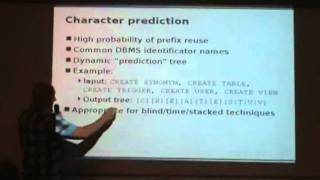
Explore Python-based security development with sqlmap, focusing on automated SQL injection detection and exploitation techniques for web application vulnerability assessment.
Challenges in Developing a Large Django Site
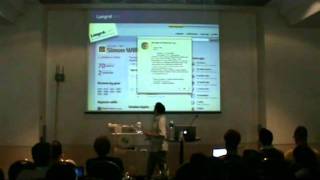
Explore challenges and solutions for large-scale Django development, including signing, caching, API interactions, and best practices for improved performance and maintainability.
Distributing Python Programs Through PyInstaller
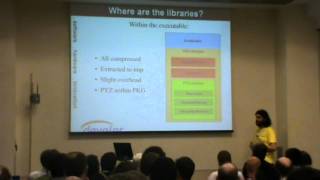
Learn to distribute Python programs as standalone executables using PyInstaller, covering multiplatform support, dependency analysis, and advanced features for efficient deployment.