How to Setup Hyper V on Windows
Learn to set up and optimize Hyper-V for Linux VMs on Windows, covering installation, VM creation, resolution settings, and XRDP optimization for improved performance and usability.
Introduction to Azure Stack HCI Core Technologies
Explore Azure Stack HCI core technologies, including Hyper-V, software-defined storage, and networking. Gain practical insights through demos and knowledge checks led by industry experts.
Windows Server 2019 Advanced Training
Comprehensive guide covering Windows Server 2019 installation, configuration, and management of key services like Active Directory, DHCP, Hyper-V, and backup solutions.
Package Custom Linux Vagrant Boxes on Hyper-V - Open Source Tools
Learn to create, customize, and share Linux Vagrant boxes for Hyper-V using HashiCorp's open-source tool. Covers installation, configuration, packaging, testing, and uploading to Vagrant Cloud.

Ring 0 to Ring -1 Exploitation with Hyper-V IPC
Explore advanced exploitation techniques targeting Hyper-V's inter-process communication, moving from kernel-level to hypervisor-level vulnerabilities in virtualized environments.

Two Gamers, One GPU from Your Windows PC - Hyper-V Paravirtualization Build and Tutorial
Learn to share a single GPU between two users on one Windows PC using Hyper-V paravirtualization. This tutorial covers setup, requirements, and demonstrates the process step-by-step.
Implementing SR-IOV Failover for Windows Guests During Migration
Learn about implementing SR-IOV failover for Windows guests during migration, covering architecture, drivers, solutions, and performance considerations for virtualized networks.

Docker for Windows and Windows Containers
Explore Docker for Windows, Windows Server 2016, and container technologies. Learn to containerize existing Windows applications with a new lift and shift tool for improved efficiency.
What's New in Windows Server v.Next
Explore the latest innovations in Windows Server v.Next for modernizing applications, enhancing security, improving performance, and enabling hybrid scenarios across various IT domains.
Windows Containers: Architecture, Security, and the Siloscape Vulnerability
Explore Windows containers, their architecture, and security implications, including the Siloscape attack and mitigation strategies for cloud environments.
Hyper-V's Virtual Secure Mode in KVM - Project Update
Update on implementing Windows Credential Guard support in KVM through Hyper-V's Virtual Secure Mode, discussing progress, challenges, and potential overlaps with other KVM developments.
Hot-Resizing of Windows VMs via Hyper-V Dynamic Memory Protocol
Explore hot memory resizing for Windows VMs using Hyper-V Dynamic Memory protocol, offering finer granularity and improved efficiency compared to ACPI-based PC DIMM hotplug.

Breaking Theoretical Limits - The Gap Between Virtual NICs and Physical Network Cards
Explore vulnerabilities in virtual NICs by breaking IP packet length limits, comparing with physical network cards, and uncovering security gaps in Hyper-V's network modules.

LVBS and Advanced Kernel Integrity
Explore advanced Linux Virtualization based Security (LVBS) features for enhanced kernel integrity. Learn about hardening techniques to protect against unauthorized modifications, even in compromised environments.
Compromise-as-a-Service - Our PleAZURE
Explore cloud security vulnerabilities in Hyper-V, including hypervisor attacks, virtual air gaps, and debugging techniques for identifying and exploiting potential weaknesses.
The Traps of Using Hyper-V Features in KVM Environment
Explore pitfalls and optimizations when utilizing Hyper-V features in KVM environments, focusing on cloud gaming workloads and system timer configurations for improved virtualization efficiency.
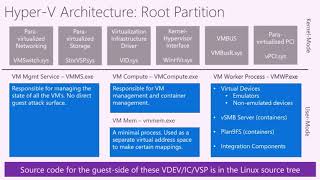
A Dive into Hyper-V Architecture and Vulnerabilities
Explore Hyper-V architecture, vulnerabilities, and security implications in virtualization technology. Gain insights into guest-to-host exploits and platform security challenges.
Exploiting the Hyper-V IDE Emulator to Escape the Virtual Machine
Explore a critical Hyper-V vulnerability, its exploitation on Windows Server 2012R2, and learn about virtualization security, memory manipulation, and payload strategies in this technical deep dive.
Mobius Band - Explore Hyper-V Attack Interface through Vulnerabilities Internals
Explore Hyper-V vulnerabilities and attack interfaces, focusing on 3 RCE vulnerabilities in Microsoft's virtualization solution. Gain insights into cloud security and potential risks.
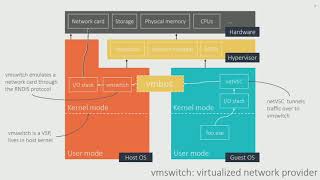
Hardening Hyper-V through Offensive Security Research
Explore offensive security research techniques to enhance Hyper-V's resilience, focusing on vulnerabilities, mitigations, and Microsoft's virtualization stack security strategies.
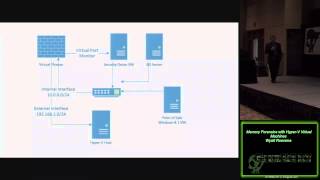
Memory Forensics with Hyper V Virtual Machines
Explore memory forensics techniques for Hyper-V virtual machines, enhancing your ability to investigate and analyze digital evidence in virtualized environments.