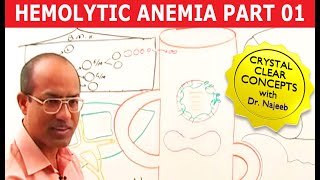
Hemolytic Anemia - Hematology - Part 1
Comprehensive exploration of hemolytic anemia, covering causes, symptoms, and consequences. Explains intravascular and extravascular hemolysis, classification, and potential complications like gallstones and pulmonary hypertension.

Red Blood Cells - RBC - Erythrocytes - Erythropoiesis - Hematology
Comprehensive exploration of red blood cells, covering development, structure, function, and clinical relevance. Delves into erythropoiesis, hemoglobin, and related hematological concepts.

Heart & Circulatory System - Biology Lectures - NEET - ICSE - GCSE - MCAT
Comprehensive lecture on the heart and circulatory system, covering anatomy, function, and key concepts for medical exams. Ideal for students preparing for NEET, ICSE, GCSE, and MCAT.
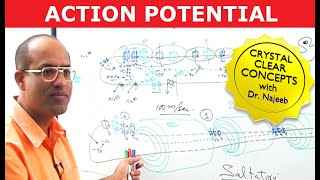
Resting Membrane Potential - Action Potential in Neurons - Neurology
Comprehensive exploration of neuronal action potentials, covering resting membrane potential, depolarization, repolarization, refractory periods, and signal propagation in myelinated and unmyelinated axons.
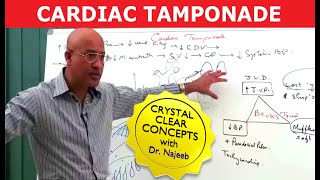
Cardiac Tamponade - Causes, Symptoms, and Treatment
Comprehensive exploration of cardiac tamponade, covering causes, symptoms, diagnosis, and treatment. Includes detailed explanations of physiological changes and clinical presentations.

Heart Failure - Cardiac Pathology
Comprehensive explanation of heart failure, covering cardiac output factors, preload, afterload, and myocardial health. Uses analogies to illustrate complex concepts in cardiac pathology.
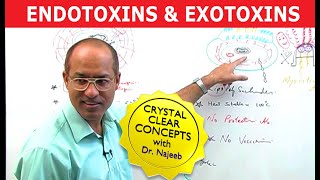
Endotoxins and Exotoxins
Comprehensive exploration of bacterial toxins, focusing on endotoxins and exotoxins. Covers lipopolysaccharides, lipid A, and septicemia, providing essential knowledge for medical students and professionals.

Coronary Artery Disease - Ischemic Heart Disease - Angina
Comprehensive overview of coronary artery disease, covering pathophysiology, causes, and mechanisms. Explores ischemia, plaque formation, and treatment approaches, emphasizing the importance of understanding this prevalent heart condition.

Thyroid Hormones Synthesis - Thyroid Gland
Comprehensive exploration of thyroid hormone synthesis, covering key processes like iodination, coupling reactions, and the role of thyroid peroxidase in T3 and T4 production.
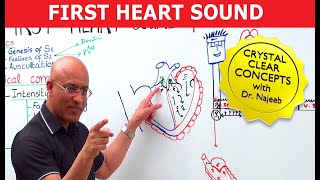
Mastering Heart Sounds & Murmurs
Comprehensive exploration of S1 heart sounds, including their genesis, components, and clinical significance. Covers heart structure, valve mechanics, and related cardiac phenomena.

Types of Jaundice - Symptoms and Treatment - Bilirubin Metabolism
Comprehensive exploration of jaundice types, causes, symptoms, and treatments, covering bilirubin metabolism, diagnostic approaches, and clinical scenarios for various hepatobiliary conditions.

Mastering Rh Blood Group System
Comprehensive exploration of the Rh blood group system, covering antigens, antibodies, and clinical implications for transfusions and pregnancy. Emphasizes its importance in medical practice.

Urine Concentration and Dilution - Countercurrent Multiplication
Comprehensive exploration of urine concentration and dilution mechanisms, focusing on medullary interstitial hyperosmolarity, countercurrent multiplication, and ADH's role in nephron water permeability.

Nephrotic and Nephritic Syndrome - Causes, Symptoms, and Treatment - Nephrology
Comprehensive exploration of nephrotic and nephritic syndromes, covering causes, symptoms, and treatments. Detailed explanations of glomerular anatomy, pathophysiology, and clinical manifestations for medical professionals and students.

Hypertension - Blood Pressure Regulation - Hypotension
Comprehensive exploration of blood pressure regulation, covering systolic and diastolic pressures, cardiac output, peripheral resistance, and key regulatory systems like neurological and renin-angiotensin-aldosterone mechanisms.

Diuretics - Pharmacology Explained
Comprehensive exploration of diuretics pharmacology, covering mechanisms, types, and effects on renal physiology. Detailed analysis of nephron segments, drug actions, and clinical implications for fluid-electrolyte balance and related disorders.

Rheumatic Fever & Heart Disease - Pathology
Comprehensive exploration of rheumatic fever and heart disease, covering pathology, clinical features, and complications. Detailed discussion on symptoms, diagnosis, and long-term effects on cardiovascular health.

Cardiac Arrhythmias - Atrial & Ventricular - Tachycardia & Bradycardia
Comprehensive exploration of cardiac arrhythmias, covering types, mechanisms, and ECG patterns. Delves into atrial and ventricular abnormalities, tachycardia, bradycardia, and conduction disorders.

Function of Nephron in Kidney - Regulation of GFR - Renal System Physiology
Comprehensive exploration of nephron function, focusing on glomerular filtration rate regulation. Detailed analysis of kidney structures, filtration mechanisms, and clinical correlations for deep understanding of renal physiology.

ECG - Mastering Chest Leads
Comprehensive guide to understanding and interpreting chest leads in ECG, covering placement, function, and clinical significance for accurate cardiac assessment.

Cardiac Cycle - Systole & Diastole - Cardiovascular - Cardiology
Comprehensive exploration of the cardiac cycle, covering systole, diastole, heart sounds, and pressure changes. Ideal for medical students seeking in-depth understanding of cardiovascular physiology.