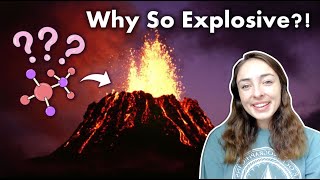
Magma Viscosity, Volatile Content, Partial Melting, and Mixing - Igneous Petrology
Explore magma properties, volcanic eruptions, and igneous processes. Learn about viscosity, volatiles, partial melting, and magma mixing to understand the factors influencing volcanic activity and rock formation.
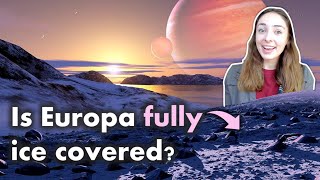
Is Europa Geologically Active? - Europa's Surface Features & Geology - Astrobiology
Explore Europa's geology, surface features, and potential for life. Discover evidence of geologic activity and its implications for the icy moon's subsurface ocean and habitability.
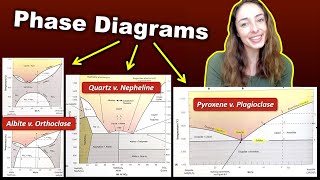
Phase Diagrams - Minerals Melt at Different Temperatures - Igneous Petrology
Explore phase diagrams in igneous petrology to understand mineral melting and crystallization. Learn to predict mineral formation from melts and melt composition from minerals at various temperatures.
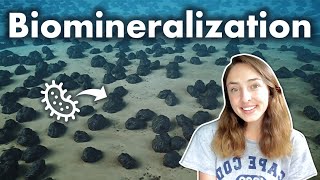
Biomineralization - Fe Hydroxide, Magnetite, Mn Oxides, Clays, Amorphous Silica
Explore microorganism-induced mineral formation, including iron hydroxides, magnetite, manganese oxides, clays, and amorphous silica. Learn about their formation processes, environments, and significance in geomicrobiology.

Igneous Rock Textures and Classification Based on Grain Size and Shape - Igneous Petrology
Explore igneous rock textures, their formation, and classification based on grain size and shape. Learn about crystallization processes, nucleation, and growth rates in this comprehensive guide to igneous petrology.

Igneous Rock Classification and How to Use the QAPF Diagram - Igneous Petrology
Comprehensive introduction to igneous rock classification, covering grain size, silica content, and the QAPF diagram. Learn to identify and categorize igneous rocks using key features and standardized schemes.
Optical Mineralogy - Optical Indicatrix, Uniaxial vs Biaxial, Interference Figures - GEO GIRL
Explore optical indicatrix, uniaxial vs biaxial minerals, and interference figures. Learn to identify minerals using optical properties and petrographic microscope techniques.

Marine Life in Triassic and Jurassic - Why Life Recovered Slowly After Permian Extinction
Explore marine life evolution from Triassic to Jurassic, including mass extinctions, slow recovery, and the rise of new species. Learn about sea monsters, modernized fish, and changing reef ecosystems.

How to Identify Igneous Rocks in Thin Section and Hand Sample - GEO GIRL
Learn to identify igneous rocks in hand samples and thin sections. Explore characteristics of various rock types, from basalt to tuff, and understand their formation processes and mineral compositions.
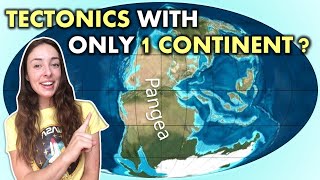
Geology of the Carboniferous and Permian - 360-252 Million Years Ago
Explore the formation of Pangea, major geological events, and climate changes during the Carboniferous and Permian periods, including mountain building, glaciations, and the development of coal swamps.
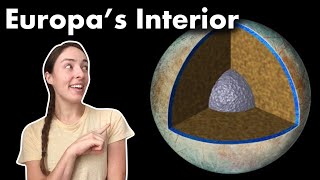
Europa's Core, Mantle, and Water Shell - What We Know and How We Know It
Explore Europa's interior structure, formation, and evidence for a liquid ocean through gravity science, geology, and magnetic field data. Learn about ongoing research and future missions.

Life in the Cambrian and Ordovician - GEO GIRL
Explore the fascinating evolution of early Paleozoic life, from Cambrian burrowers to Ordovician predators, and discover key events shaping Earth's biodiversity 542-444 million years ago.
Anaerobe to Aerobe - How Oxygen Changed Life on Earth Forever
Explore Earth's early life, oxygen's impact on metabolism, and the Great Oxidation Event. Learn how oxygen shaped evolution, caused mass extinctions, and ultimately enabled complex life forms.
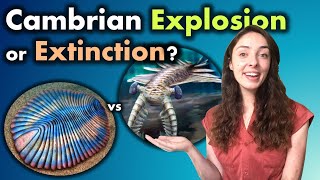
Cambrian Explosion - More Like Precambrian Explosion and Cambrian Skeletonization
Explores the Cambrian Explosion, challenging its name and timing. Discusses Ediacaran fauna, early animal evolution, mass extinctions, and factors contributing to increased diversity and complexity in Pre- and Early Cambrian life.
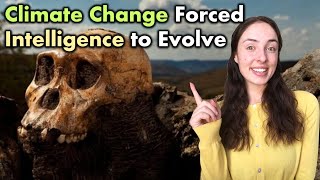
Neogene Life and Human Evolution from Early Apes to Australopithecus to Homo
Explore Neogene life and human evolution, from early apes to Australopithecus and Homo. Learn about key evolutionary events, environmental changes, and the development of human traits like bipedalism and tool use.

When Life Moved to Land and the Disastrous Consequences
Explore the evolutionary journey of life from sea to land, its climatic impacts, and the resulting mass extinctions. Learn about key transitions in Earth's history and their far-reaching consequences.
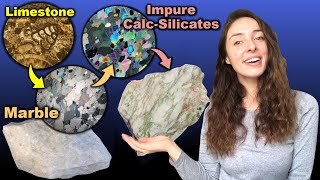
Metamorphism of Pure vs Impure Carbonates - Marbles vs Calc-Silicates
Explore the metamorphism of carbonates, from pure marbles to complex calc-silicates. Learn about mineral transitions, formation sequences, and the influence of pressure, temperature, and CO2 on metamorphic processes.

Metamorphism of Basalt and Gabbro - Metabasite Mineral Assemblages
Explore mineral assemblage transitions in metamorphosed basalt and gabbro across various pressure-temperature conditions, from greenschist to eclogite facies, with detailed explanations of key minerals and textures.
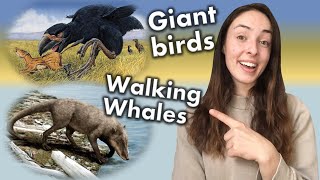
Early Cenozoic Life - Megalodon Roamed, Mammals Go Back to Sea, Huge Birds Hunt Horses
Explore the Early Cenozoic: megalodon sharks, walking whales, giant birds, and the rise of mammals. Discover how climate change and evolving grasslands shaped Earth's ecosystems and animal diversity.
Paleocene-Eocene Thermal Maximum to Eocene-Oligocene Cooling - GEO GIRL
Explore Earth's dramatic climate shifts from the Paleocene-Eocene Thermal Maximum to the Eocene-Oligocene cooling, examining their causes, effects on life, and lasting impact on our planet's environment.
Evolution of Photosynthesis - Were Anoxygenic or Oxygenic Phototrophs First?
Explore the evolution of photosynthesis, from early anoxygenic phototrophs to oxygen-producing cyanobacteria, and how this process transformed Earth's atmosphere and life forms over billions of years.