The Johns Hopkins ARVC Program: Then and Now
Explore the evolution of Johns Hopkins' ARVC Program, its historical significance, and current research focus with Dr. Hugh Calkins.
Desmoplakin Cardiomyopathy: Understanding DSP-Type ARVC
Explore groundbreaking research on DSP cardiomyopathy, including risk factors, patient involvement, and future goals for improved understanding and treatment.
Research Directions in Arrhythmogenic Right Ventricular Cardiomyopathy (ARVC)
Explore cutting-edge research on ARVC, including ongoing studies and future directions, with insights from Dr. Cynthia James at Johns Hopkins Medicine.
The ABC's of ARVD/C - A Primer on Arrhythmogenic Right Ventricular Dysplasia/Cardiomyopathy
Explore ARVC's names, symptoms, diagnosis, evaluation, and management in this comprehensive overview by Brittney Murray.

Cystic Kidney Disease - Causes, Symptoms, and Treatment
Explore causes, symptoms, and treatments of Cystic Kidney Disease through clinical cases, enhancing diagnostic and management skills for medical professionals.
Healthy Insights - DNA and Its Link to Chronic Inflammation
Explore DNA's role in chronic inflammation and aging, gaining insights from Johns Hopkins experts on promoting healthy longevity.

Journey for Women of Color: Sickle Cell Anemia
Explore sickle cell anemia with Dr. Robert Brodsky, discussing hematology, bone marrow transplants, and treatment advancements for women of color.

Breast Cancer Awareness: New Research Insights and Statistics
Learn about breast cancer prevalence, risk factors, and new research insights from expert Vered Stearns in this informative discussion on genetic mutations and aging.
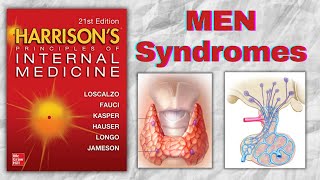
Multiple Endocrine Neoplasia Syndromes - Types, Clinical Features, and Genetics
Explore MEN syndromes, their clinical features, and genetic aspects. Gain comprehensive insights into MEN 1, MEN 2, and MEN 4 from Harrison's medical reference.

Bronchial Asthma: Pathophysiology, Risk Factors, Diagnosis, and Treatment
Explore bronchial asthma's pathophysiology, risk factors, diagnosis, and treatment based on Harrison's principles. Gain comprehensive insights into this respiratory condition for medical education.

Polycystic Kidney Disease - CRASH! Medical Review Series
Explore the latest insights on Polycystic Kidney Disease in this concise medical review, covering key aspects for physician licensing exam preparation.

Sickle Cell Disease - CRASH! Medical Review Series
Learn about sickle cell disease pathophysiology, diagnosis, complications, and management in this concise medical review for healthcare professionals and students.
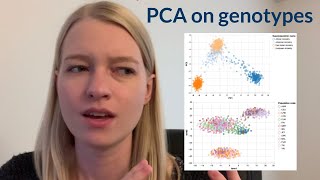
Genes and Geography - A Bioinformatics Project
Comprehensive bioinformatics walkthrough: analyze population genotype data using PCA/TSNE, from data acquisition to visualization, with practical coding in Python and Colab.
Leveraging Innovation to Improve the Identification of Patients with Hereditary Cancer
Explore innovative techniques in hereditary cancer detection, including RNA genetic testing and AI-powered risk assessment, to improve diagnostic yield and patient identification for genetic counseling.

Bioinformatics and Computational Terminology for the Clinic - Webinar - Ambry Genetics
Demystifying bioinformatics concepts in genetic testing reports, focusing on key terminology and underlying details for NGS panel and exome-sequencing tests to enhance clinicians' understanding and interpretation.
A Patient-Driven Approach to Cystic Fibrosis Research - Webinar - Ambry Genetics
Explore patient-driven cystic fibrosis research, focusing on exercise as treatment. Learn how the CF community designed and funded an innovative study, empowering patients to lead meaningful research initiatives.

What Does It Mean to Die - Technology and Death
Explore how technology reshapes our understanding of mortality, from social media's digital afterlife to brain transplants, challenging traditional notions of life, death, and the pursuit of immortality.

Black Scientists - Past, Present and Future
Panel discussion exploring diversity in science, focusing on Black scientists' contributions, challenges, and the impact of representation on research and society.

Beyond the Science: Safeguards and Ethics in Gene Editing
Explore ethical implications, safety concerns, and international guidelines for gene editing technologies like CRISPR, addressing societal impact and potential medical benefits.

Topological Data Analysis on Dynamic Brain Networks
Explore topological data analysis for dynamic brain networks, learning to cluster networks into states and analyze temporal changes using Wasserstein distance. Gain insights into state space estimation and heritability of network changes.

Data-Driven Understanding of Human Disease: From Machine Learning Methods to Biological Discoveries
Data-driven disease understanding: machine learning methods for genomic analysis, integrating model organism data with human studies to uncover disease mechanisms and genetic architecture.