Breaking the Code - CRISPR and the Gene Editing Revolution
Explore CRISPR gene-editing technology's potential in healthcare, its ethical implications, and future prospects with Nobel laureate Dr. Jennifer Doudna and author Walter Isaacson.
Future Shocks - Rogue Technology
Explore potential impacts of emerging technologies on ecosystems and food security, featuring insights from experts on AI, biotech, and environmental challenges.
Foodborne Illness Outbreaks, Viral Defense Against CRISPR, and Ebola Updates - Microbial Minutes
Explore recent microbiology research on antibiotic resistance, foodborne illnesses, Ebola updates, and viral defense mechanisms against CRISPR, offering insights into current challenges and advancements in the field.
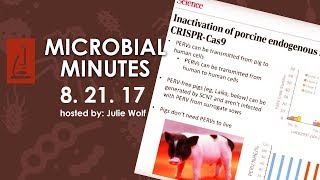
Zika - Archaea Chromatin - Abx Susceptibility Testing - Probiotic Clinical Trial - Engineered Pigs
Explore recent microbiology discoveries: Zika virus vectors, archaeal DNA packaging, rapid antibiotic testing, probiotic infant protection, and engineered pigs for safer organ transplants.
Can CRISPR Save the World? - The Next Green Revolution
Explore CRISPR's potential to revolutionize agriculture, addressing global food security challenges while navigating ethical concerns and scientific advancements in gene editing technology.

Splicing and Dicing DNA - Genome Engineering and the CRISPR Revolution
Explore the revolutionary CRISPR gene-editing technology, its applications in medicine and agriculture, and the ethical challenges it presents for the future of human evolution and disease prevention.
Designer Genes - Fashioning Our Biological Future
Experts discuss ethical implications and future possibilities of genetic engineering, including mitochondrial transfer and customizing DNA, exploring the balance between medical advancements and potential risks.
This is the Future
Explore cutting-edge tech with young innovators in CRISPR, AR, and MedTech. Discover their groundbreaking projects and visions for the future in this insightful discussion.
Biohacking con Python - cómo convertirse en el señor Burns fluorescente
Explora la sinergia entre ingeniería genética y Python, desde conceptos básicos hasta edición de ADN con CRISPR, para aplicaciones cómicas y médicas.

Building a Dinosaur from a Chicken
Paleontologist Jack Horner explores genetically engineering chickens to reactivate ancestral dinosaur traits, aiming to reconstruct a "Chickenosaurus" through evolutionary tools and atavism activation.

How mRNA Medicine Will Change the World
Explore the revolutionary potential of mRNA medicine in fighting diseases, from COVID-19 to potentially cancer and flu. Learn how this groundbreaking technology teaches our bodies to combat illnesses at the molecular level.

The Age of Genetic Wonder
Explore the future of genetic editing, its potential to redesign species and humanity, and the ethical implications of this revolutionary technology in biology and medicine.

The Case for Engineering Our Food
Explore genetic engineering's role in enhancing food security through Pamela Ronald's research on flood-resistant rice and the successful preservation of Hawaiian papaya crops.

Building a Dinosaur from a Chicken
Paleontologist Jack Horner discusses his innovative approach to reconstructing dinosaurs by genetically engineering chickens to reactivate ancestral traits like teeth, tails, and hands.
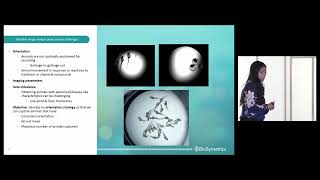
Machine Learning-Driven Phenotyping Platform for Rapid In Vivo Target Validation and Precision Medicine
Develop a zebrafish phenotyping platform using 3D-printed mounts and computer vision for drug discovery, enabling rapid gene-to-phenotype analysis and accelerating clinical translation.
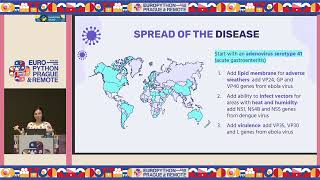
How to Destroy the World Using Python and a Synthetic Virus
Explore synthetic biology's potential to modify viruses using Python, discussing both dangerous applications and healthcare benefits. Learn basic biology and see a practical example.
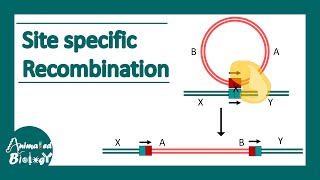
Site-Specific Recombination: How Do Site-Specific Recombinases Work?
Explore site-specific recombination and the mechanisms of site-specific recombinases. Learn about their outcomes and applications in genetic engineering and biotechnology.
rhAmpSeq CRISPR Analysis Tool Tutorial
Learn to analyze CRISPR experiments using IDT's rhAmpSeq™ tool. Explore features for efficient data interpretation and result visualization in genome editing projects.
How to Optimize CRISPR Genome Editing in Primary T Cells
Optimize CRISPR genome editing in primary T cells with improved methods for cell culture, delivery, and knock-in rates using HDR donors and enhancing reagents.
Custom CRISPR Solutions for High-Throughput Workflows in Drug Discovery
Discover high-throughput CRISPR genome editing techniques for research and drug discovery, focusing on arrayed synthetic guide RNA libraries and custom solutions.
Gene Therapy and Its Potential for Treating Health Conditions - Part 2
Explore gene editing treatments for inherited blood disorders with Professor De La Fuente's research insights and potential health applications.