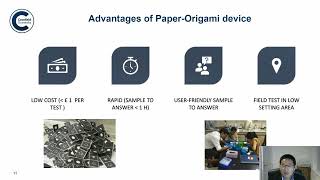
CRISPR/Cas-Enabled Paper Microfluidics Device for Rapid Diagnosis
Explore CRISPR/Cas-enabled paper microfluidics for rapid pathogen detection, including SARS-CoV-2 diagnosis and wastewater surveillance. Learn about low-cost, deployable biosensors for public health applications.
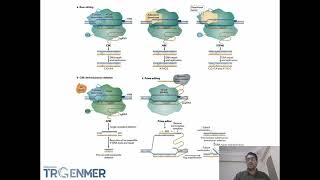
CRISPR Base Editor and Prime Editor Toolbox and Applications
Explore CRISPR base and prime editing technologies, their applications, and potential for treating genetic disorders without harmful double-strand breaks. Learn from expert Dr. Cihan Tastan in this cutting-edge webinar.
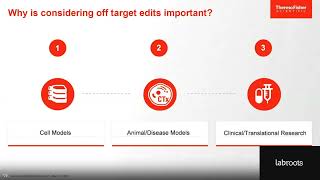
Considerations to Limit Off-Target Edits in Gene Editing Experiments
Explore strategies to minimize off-target edits in gene editing experiments. Learn best practices, considerations for different scenarios, and optimized workflows to enhance precision in genome manipulation.
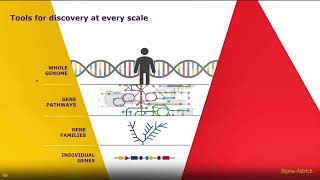
From Bench to Bedside: Targeted Gene Editing
Explore CRISPR/Cas gene editing technology's evolution, applications, and importance in research and clinical settings. Learn about choosing effective CRISPR reagents for successful gene editing experiments.
Elucidating the Composition of CRISPR Cas12f1 Complexes Using Mass Photometry
Explore the composition of CRISPR-Cas12f1 complexes through mass photometry, revealing insights into their stoichiometry and interactions with nucleic acids for improved genome editing applications.
Mechanisms and Applications of DNA Methylation and Gene Silencing in Plants
Explore DNA methylation in plants, its role in gene silencing, and CRISPR-based tools for targeted methylation changes in research and crop improvement.
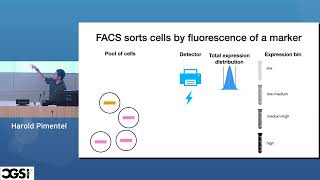
Inference Methods for High-Throughput CRISPR Screens - CGSI 2022
Explore inference methods for high-throughput CRISPR screens, focusing on regulatory gene discovery in human T cells and the architecture of immune networks.
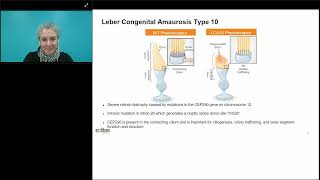
Assessing CRISPR On-Target Editing and Structural Changes with UDiTaS Using Tagify Reagents
Explore CRISPR editing assessment using UDiTaS™ and Tagify™ reagents. Learn about quantitative methods for measuring structural changes and small indels in genomic editing outcomes.
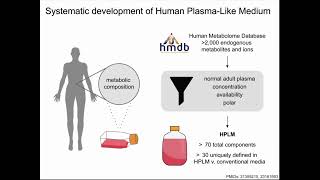
Investigating the Conditionally Essential Role of Genes Using CRISPR-Based Screens
Explore CRISPR-based genetic screens to identify essential genes in human cell lines under varying nutrient conditions, reflecting physiological environments.
Reprogramming Natural Killer Cells for Cancer Immunotherapy
Explore genetic engineering approaches to enhance natural killer cells for cancer immunotherapy, focusing on overcoming challenges in targeting aggressive solid tumors and improving immune responses.
Scalable Genetic Discovery Systems for Human T Cell Therapies
Explore non-viral genome targeting and pooled knockin screening for advancing cellular therapies in solid tumors. Learn about innovative methods for large-scale genetic engineering of human immune cells.

Can We Cure Genetic Diseases by Rewriting DNA?
Chemical biologist David R. Liu discusses base editors, a breakthrough in genome editing that can directly rewrite DNA, potentially treating or curing genetic diseases.
Expanding the Genetic Alphabet
Discover how artificial DNA could revolutionize protein therapeutics and expand our understanding of genetics with Professor Floyd Romesberg's groundbreaking research.

How Can We Design New DNA?
Explore molecular evolution and protein engineering to solve human problems through directed evolution techniques.
Genom-Editierung mit CRISPR/Cas
Überblick über CRISPR/Cas-Genom-Editierung: Funktionsweise, Anwendungen in Medizin und Landwirtschaft, ethische Fragen und gesellschaftliche Auswirkungen dieser revolutionären Gentechnik-Methode.
Ethics - Julian Savulescu - SingularityU Czech Summit
Exploración de la ética en genética y biotecnología, abordando temas como la selección genética, la ingeniería genética y sus implicaciones sociales y morales en el futuro de la humanidad.
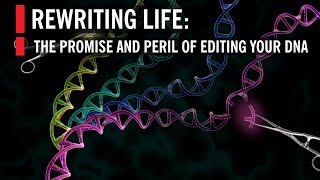
Editing Our DNA with CRISPR - The Promise and Peril of Rewriting Life
Explore CRISPR's revolutionary gene-editing capabilities, its potential applications in medicine and agriculture, and the ethical considerations surrounding this groundbreaking technology with leading experts.
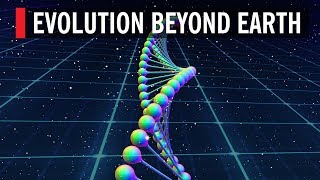
Evolution Beyond Earth
Explore the biological challenges and potential genetic adaptations for human life beyond Earth, featuring experts discussing space habitation, gravity, and interplanetary colonization.

A Living Drug That Could Change the Way We Treat Cancer - TED
Discover how genetic engineering led to CAR T cells, a groundbreaking "living drug" that detects and destroys cancer cells, offering long-term protection and high remission rates in cancer treatment.

Rewriting the Human Code - Dan Rather Talks Gene Editing
Dan Rather explores gene editing's potential and ethical implications with filmmaker Adam Bolt, discussing their documentary "Human Nature" and the far-reaching consequences of this groundbreaking technology.

Gene Editing - The Biotech Revolution of Our Times
Explore the revolutionary potential of gene editing with Walter Isaacson. Delve into CRISPR technology, its applications, ethical concerns, and impact on disease treatment, human enhancement, and global health challenges.