An Introduction to the Workspace - Secrets of the Interpreter
Explore APL workspace internals, memory management, and optimization techniques to enhance application performance and efficiency.
Heap Size Adjustment with CPU Control
Explore automatic heap sizing in JVM garbage collection, trading memory for computation based on CPU utilization. Learn about implementation in ZGC and its impact on performance and energy.
Concurrent GCs and Modern Java Workloads - A Cache Perspective
Explore the impact of concurrent garbage collectors on Java workloads, focusing on cache pollution and performance implications for modern server applications.
Targeted Static Analysis for OCaml C Stubs - Eliminating Gremlins from the Code
Explore a static analyzer for OCaml C bindings, addressing safety issues and aiding migration to OCaml 5. Learn about tools and techniques to improve code reliability.

IPFS Cluster Overview - Data Orchestration Across IPFS Daemon Swarms
Overview of IPFS Cluster: data orchestration across IPFS daemons, allocating and tracking distributed pinsets. Covers history, roadmap, garbage collection, production use, and key features like load balancing.

Managing Artifacts at Scale for CI and Data Processing
Learn best practices for managing data artifacts in Argo Workflows, including configuring artifact repos, implementing garbage collection, and optimizing for CI and data processing use cases.
Introduction to NAND Flash Aware Hibernation-based Boot - Lecture
Explore NAND flash-aware hibernation techniques to reduce boot time in consumer electronics while extending flash memory lifespan and maintaining performance.
Kubernetes Housekeeping - Resource Management and Garbage Collection
Explore resource management in Kubernetes, including Garbage Collection, Kube Controller Manager, and Eviction. Learn configuration options and best practices for efficient large-scale distributed systems.
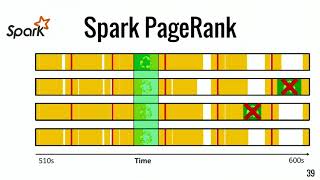
Hardware and Software Support for Managed Languages in Data Centers
Exploring hardware and software support for managed languages in data centers, focusing on distributed applications, custom hardware, and open-source opportunities for improved performance and efficiency.
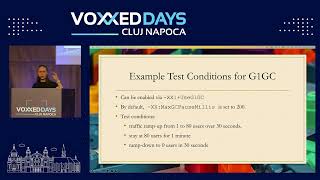
Ana-Maria Mihălceanu - Calibrate Garbage Collection on the Ground and Run Your Java App
Optimize Java app performance by choosing and tuning the right garbage collector. Learn to evaluate throughput, latency, and footprint for CPU/IO-intensive apps using Prometheus metrics in containerized environments.
Project Harbor: Year in Review and Future Roadmap
Explore Harbor's 2023 releases, future roadmap, and exciting developments in container registry technology, including SBOM integration, multi-scanners, and AI-assisted features.

Growing Pain: Scaling to 10K Workflows per Week
Explore challenges and solutions in scaling a workflow orchestration platform to handle 10,000 workflows weekly, including managing spiky submissions, resource requests, and diverse user requirements.
Curveballs: Learnings from Instrumenting Managed Runtime Applications with eBPF
Explore eBPF instrumentation challenges for managed runtime applications, focusing on Go and Java. Learn approaches, failures, and solutions for non-standard symbol tables and dynamic code compilation.
MIDAS: Minimizing Write Amplification in Log-Structured Systems through Adaptive Group Configuration
Innovative approach to minimize garbage collection overhead in log-structured systems using adaptive grouping and analytical models, improving performance and efficiency for various applications.
Rep-RAID: An Integrated Approach to Optimizing Data Replication and Garbage Collection in RAID-Enabled SSDs
Explore an innovative approach to optimizing data replication and garbage collection in RAID-enabled SSDs, improving I/O performance and reducing tail latency for enhanced data reliability.
Garbage-Collection Safety for Region-Based Type-Polymorphic Programs
Explore a novel region type-system for ensuring garbage-collection safety in polymorphic programs, addressing soundness issues and enabling efficient memory management strategies.

Concurrent Immediate Reference Counting
Explore a novel approach to memory management in concurrent programming, combining SMR algorithms with reference counting for efficient and safe automatic memory reclamation in unmanaged languages.
Sealed with a Library Call: Memory Allocators Should Track Capability Seal Operations - POCL'24
Explore the interaction between sealed capabilities and memory allocators in CHERI, examining potential runtime errors and proposing an augmented allocator API for tracking seal operations.

Designing Wait-free Weak Reference Counting
Explore wait-free weak reference counting design techniques for efficient memory management in concurrent systems.
Wear Estimation for Devices with eMMC Flash Memory
Learn techniques for estimating and monitoring flash memory wear in embedded Linux devices, focusing on eMMC technology, lifetime optimization, and storage-related improvements.
Maintaining a Local Registry Mirror
Explore best practices for maintaining a local registry mirror to enhance build speed and infrastructure reliability, covering deployment, configuration, and garbage collection.