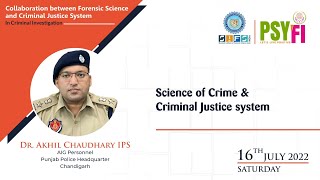
Science of Crime and Criminal Justice System
Explore scientific approaches in crime-solving and criminal justice with insights from Dr. Akhil Chaudhary IPS. Learn how forensic evidence aids police investigations and judicial processes.
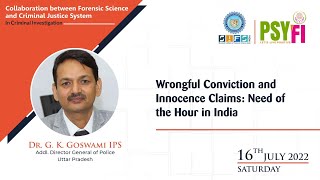
Wrongful Conviction and Innocence Claims in India - The Role of Forensic Science
Exploring forensic science's role in sexual offense investigations, wrongful convictions, and the Innocence Project's importance in India's criminal justice system.
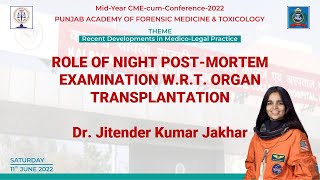
Role of Night Post-mortem in Human Organ Transplantation
Explore challenges of nighttime post-mortems in organ transplantation, examining legal, ethical, and practical implications for forensic medicine and the transplant process.

Forensic Science: Secrets of a 1,000-Year-Old Skeleton - Christmas Lecture 1
Professor Dame Sue Black explores forensic science through the story of a 1,000-year-old skeleton, revealing innovative techniques in victim identification and criminal conviction using vein pattern analysis.

Living Body - Forensics in the Courtroom - Christmas Lecture 3
Forensic anthropologist Sue Black investigates a heist, demonstrating forensic techniques and their courtroom applications in this engaging Royal Institution Christmas lecture.
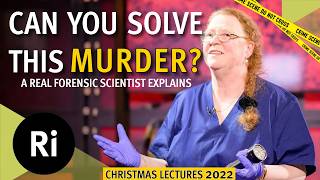
Christmas Lectures 2022: Forensic Techniques for Solving Crimes - Lecture 2
Forensic anthropologist Sue Black explores crime scene investigation techniques, revealing methods used to track criminals in this engaging Royal Institution Christmas lecture.

Are DNA Testing Kits Good? - Benefits and Concerns
Explore the science, accuracy, and ethical implications of at-home DNA testing kits with experts in genetic genealogy, evolutionary genetics, and scientific publishing.
Forensic Science in Protecting the Vulnerable: Torture, Death in Custody, and Elderly Abuse
Dr. Evi Untoro explores forensic science's role in protecting vulnerable individuals, focusing on cases of torture, death in custody, and elderly abuse. Learn how forensic experts investigate and document evidence in these critical situations.
Child Abuse, Neglect and Forensic Odontology
Explore forensic odontology's role in child abuse cases, including bite mark analysis and dental records comparison, to protect vulnerable children and ensure justice.
Forensic Science in Maltreatment, Border Control, and Migrant Issues
Explore forensic science's role in protecting vulnerable populations, focusing on maltreatment cases, border control, and issues involving minors and migrants with Prof. Emilio Nuzzolese.
Revisiting Various Classification Systems of Lip Prints
Explore cheiloscopy's potential in forensic identification as Prof. Thakkar revisits and refines lip print classification systems, enhancing accuracy for investigators.
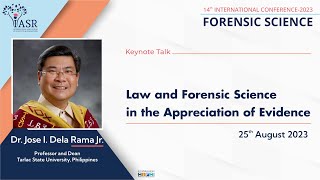
Law and Forensic Science in the Appreciation of Evidence
Explore the crucial intersection of law and forensic science in evidence evaluation, focusing on admissibility standards and the weight given to forensic evidence in criminal justice.
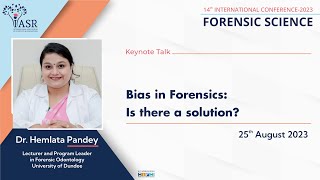
Bias in Forensics: Challenges and Solutions
Dr. Hemlata Pandey explores bias in forensic investigations, discussing its impact on reliability and objectivity. She examines contributing factors and proposes solutions to enhance the accuracy of forensic analyses.
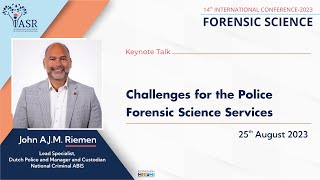
Challenges for Police Forensic Science Services
Explore challenges faced by police forensic science services worldwide and strategies to overcome them, enhancing efficiency and effectiveness in law enforcement investigations.
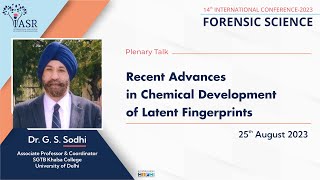
Recent Advances in Chemical Development of Latent Fingerprints
Explore cutting-edge techniques for latent fingerprint development in forensics, enhancing accuracy and efficiency in crime-solving. Dr. Sodhi presents cost-effective, versatile methods for challenging conditions.
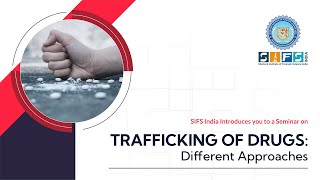
Trafficking of Drugs: Different Approaches - Webinar
Explore global drug trafficking challenges, prevention strategies, and international collaboration efforts to combat the "World Drug Problem" and its impact on society.

Warm Truth of Forensic Medicine
Forensic medicine's role in uncovering truth, safeguarding rights, and contributing to society. Explores the field's unique perspective on life and death, highlighting its importance in advancing medical knowledge and justice.
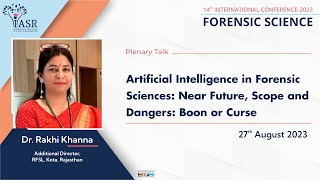
Artificial Intelligence in Forensic Sciences - Boon or Curse
Exploring AI's impact on forensic sciences: opportunities, challenges, and ethical considerations. Discusses potential benefits, risks, and the need for responsible development and implementation.
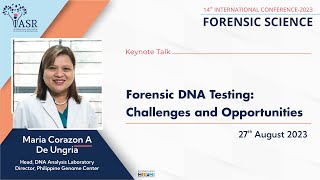
Forensic DNA Testing - Challenges and Opportunities
Explore the power of forensic DNA testing in criminal investigations, its expanding applications, and the scientific, ethical, and legal considerations for enhancing investigative capabilities.
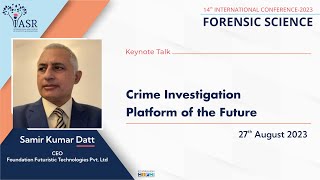
Crime Investigation Platform of the Future
Explore the future of crime investigation with advanced technology, ethical considerations, and collaborative approaches for more efficient and accurate law enforcement processes.
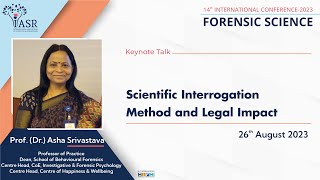
Scientific Interrogation Methods and Their Legal Impact
Explore scientific interrogation techniques and their legal implications with Prof. Srivastava. Learn about ethical methods, evidence-based questioning, and the impact on investigations and court proceedings.