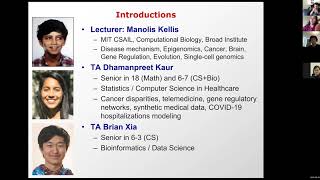
Machine Learning for Genomics Fall 2020
Fall 2020 Prof. Manolis KellisComputational Biology: Genomes, Networks, Evolution, HealthMachine Learning in Genomics: Dissecting the circuitry of Human Disease

MIT Computational Biology - Genomes, Networks, Evolution, Health - Fall 2018
Comprehensive exploration of computational biology, covering genomics, networks, evolution, and health applications through advanced algorithms, data analysis, and cutting-edge research topics.
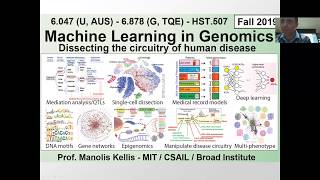
Machine Learning in Genomics - Fall 2019
Comprehensive exploration of computational biology techniques, from dynamic programming to deep learning, applied to genomics, epigenomics, and systems biology. Covers cutting-edge topics like single-cell genomics and genome engineering.
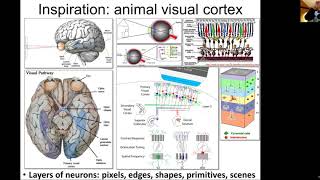
MIT Deep Learning in Life Sciences Spring 2020
Explore deep learning applications in genomics, from neural networks to single-cell analysis. Gain insights into regulatory genomics, epigenomics, and genetics through advanced computational techniques.
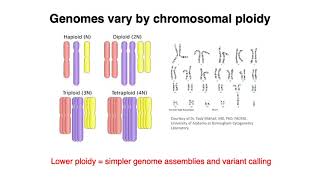
Introduction to Genomics
Comprehensive exploration of genomics, covering DNA sequencing, genome assembly, gene editing, epigenomics, RNA-seq, chromatin organization, interaction networks, and genetic variation analysis.
MPG Primer: Understanding Single Cell ATAC-Seq Data Analysis (2024)
Explore single-cell ATAC-seq data analysis, covering key concepts, workflow, quality control, and downstream analysis techniques for epigenomic profiling at cellular resolution.
High-Throughput In Silico Genetic Screen for 3D Genome Organization - Models, Inference and Algorithms
Explore cutting-edge approaches in 3D genome organization research, including in silico genetic screening and graph representation learning for analyzing multiscale chromatin structure.

Decoding the Epigenomic Landscape of Trauma across the Lifespan
Explore the epigenomic landscape of trauma across the lifespan with Dr. Janitza Montalvo-Ortiz. Gain insights into computational approaches for studying genomics and epigenomics of neuropsychiatric disorders, focusing on trauma and substance use.

AWSOM24 Conference - AI and Machine Learning in Single Cell Genomics
Explore cutting-edge single-cell genomics research with expert talks on bioinformatics, experimental applications, and translational studies in this comprehensive workshop from leading institutions.
Unveiling Insights: Leveraging Single-Cell Transcriptomics and Epigenomics for Biomarker Discovery
Explore single-cell genomics techniques for identifying biomarkers in cancer research. Learn about transcriptomics, epigenomics, and their applications in understanding biological processes and tumor development.
BART: A Transcriptional Regulator Prediction Method for Functional Genomics
Explore BART, a powerful method for predicting transcriptional regulators in functional genomics. Learn its applications, underlying algorithms, and impact on gene regulation research.
Computational Methods for Modeling and Analyzing Epigenomic Data - CGSI 2023
Explore computational methods for modeling and analyzing epigenomic data, focusing on chromatin state discovery, genome annotation, and cross-species conservation in functional genomics.
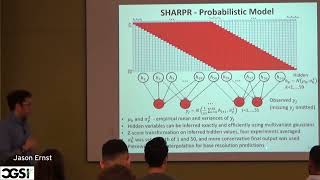
Leveraging High-throughput Functional Characterization Data to Dissect and Annotate Human Regulatory Regions
Explore high-throughput functional characterization techniques for dissecting and annotating human regulatory regions, leveraging advanced genomic mapping and integrative epigenomic approaches.
Epigenomic Landscape of Retrotransposon Expression in Senescence and Neurodegeneration
Explore the activation of retrotransposons in aging and neurodegeneration, focusing on LINE-1 elements' role in cellular senescence and potential implications for neurodegenerative diseases.
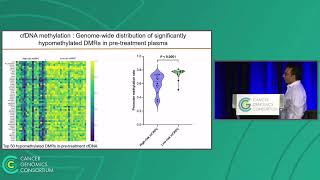
Cell-free DNA Genomic and Epigenomic Analysis to Predict Survival in mCRPC Patients
Explore genomic and epigenomic analysis of cell-free DNA to predict survival in metastatic castration-resistant prostate cancer patients undergoing AR-directed therapy.
Predicting the Epigenome from DNA Sequence - Are We There Yet?
Explore predicting epigenomes from DNA sequences using deep learning methods. Discover limitations, data analysis techniques, and latest research in computational genomics.
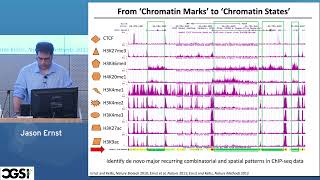
A Tutorial on Computational Methods for Modeling and Analyzing Epigenomic Data
Explore computational methods for modeling and analyzing epigenomic data, covering ChromHMM, multivariate Hidden Markov Models, and integrating multiple chromatin markers across cell types.
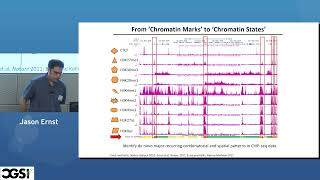
Computational Methods for Modeling and Analyzing Epigenomic Data
Explore computational methods for modeling and analyzing epigenomic data, focusing on chromatin state annotation, gene-based modeling, and cross-species conservation in functional genomics.
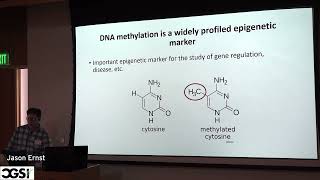
Computational Methods for Cross-Species Epigenomic Analyses - CGSI 2024
Explore computational methods for cross-species epigenomic analyses, focusing on DNA methylation imputation and conservation scoring across mammalian species.
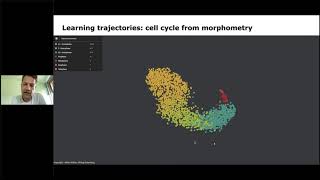
Interpretable Machine Learning to Model Drug Perturbations in Single Cell Genomics
Explore interpretable machine learning for modeling drug effects on single-cell genomics. Learn about deep autoencoders, manifold identification, and predicting novel perturbations in cellular states.
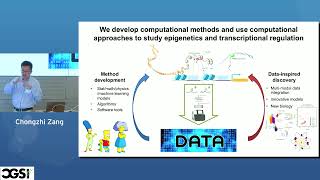
Epigenomics Data Analysis - A Tutorial
Master essential techniques for analyzing epigenomics data, including ChIP-Seq analysis, histone modification clustering, and transcriptome integration methods for genomic research.