Acute Infectious Diarrhea - Etiology, Pathogenesis, and Management
Explore etiology, pathogenesis, diagnosis, and treatment of acute infectious diarrhea based on Harrison's principles. Gain comprehensive insights for effective management.
Artificial Intelligence for Data-centric Surveillance and Forecasting of Epidemics
Explore AI-driven approaches for epidemic surveillance and forecasting, focusing on data-centric methods to enhance public health responses and decision-making.

Gastric Cancer - Achieving Health Equity Among Asian Americans
Explore the critical health disparity of gastric cancer in Asian American communities, examining risk factors, treatment outcomes, and innovative approaches to achieve equitable healthcare delivery.
Extra History: Medicine
Explore humanity's medical history, from ancient beliefs to modern breakthroughs. Learn about epidemics, discoveries, and medical mysteries that shaped our understanding of health and disease.

The Future of Higher Education - Research Universities' Response to COVID-19
Leaders of major universities discuss COVID-19's impact on higher education, research efforts, medical centers, and future educational landscapes, addressing challenges and potential solutions.

The Future of Higher Education - Research Universities' Response to COVID-19
Explore how research universities are adapting to COVID-19, discussing solutions, medical center roles, and the pandemic's impact on higher education's future.

Introduction to Artificial Intelligence and Machine Learning
Discover the fundamentals of AI and ML, from core concepts to real-world applications in healthcare, data analysis, and process automation, including ethical considerations.
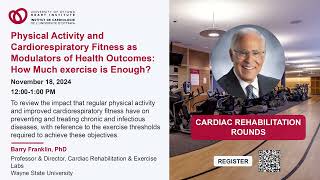
Physical Activity and Cardiorespiratory Fitness as Modulators of Health Outcomes - How Much is Enough
Discover the optimal exercise thresholds needed to prevent and treat chronic diseases, while exploring how physical activity and cardiorespiratory fitness impact overall health outcomes.
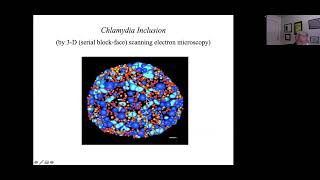
Growth of Reticulate Body (RB) Population in the Conversion Phase of Chlamydia Life Cycle
Explore mathematical modeling of reticulate body population dynamics in Chlamydia's life cycle, focusing on conversion phase analysis and population growth patterns.

Who Gets to Be Healthy? Understanding Social Determinants and Health Inequalities
Explore how social justice and societal conditions shape health inequalities, examining evidence-based strategies beyond healthcare to create fairer health outcomes across different social gradients.

The Devastating History of Yellow Fever in the United States
Explore the historical impact of yellow fever in America, from devastating outbreaks to groundbreaking scientific discoveries that revolutionized disease prevention and treatment methods.

Overview of Pediatric HCV
Gain insights into pediatric Hepatitis C virus (HCV) management, diagnosis, and treatment approaches for healthcare providers working with affected children.
Diagnostic Testing Strategies for COVID-19, Influenza, and RSV - Winter 2023-2024
Explore diagnostic testing strategies for respiratory viruses, covering molecular and antigen-based methods, interpretation guidelines, and factors affecting the 2023-2024 respiratory season severity.
Statistics Introduction - Null Hypothesis, Odds Ratio, Confidence Interval, and P-value
Master essential statistical concepts including hypothesis testing, odds ratios, confidence intervals, and p-values for medical research and data analysis. Learn key terms and methods for interpreting clinical study results.
Antimicrobial Suppression for Infective Endocarditis
Explore evidence-based approaches to antimicrobial suppression in treating infective endocarditis, focusing on current clinical guidelines and therapeutic strategies.

Infectious Disease Fellowship: Research Training at Johns Hopkins
Discover how Johns Hopkins' Infectious Disease Fellowship program provides comprehensive research training opportunities and mentorship for aspiring infectious disease specialists.
Fever and Altered Mental Status in a Patient with Rheumatoid Arthritis - Case Conference
Explore a clinical case analysis of fever and altered mental status in a rheumatoid arthritis patient, examining diagnostic approaches and treatment considerations.
Treatment as Prevention - Understanding Undetectable Equals Untransmittable (U=U)
Discover the science behind HIV treatment as prevention and the U=U (Undetectable = Untransmittable) concept, exploring its impact on HIV care and prevention strategies.
Menacing Molds - Immunodeficiency and Fungal Opportunism in the Lung
Explore the mechanisms behind pulmonary aspergillosis and fungal infections in immunocompromised patients, from transplant cases to chronic respiratory conditions like asthma and cystic fibrosis.

Understanding Research Study Designs - Case-Control, Cross-Sectional, and Cohort Studies
Master different types of epidemiological study designs, from case-control and cross-sectional studies to prospective and retrospective cohort studies, including key statistical concepts and research methodologies.
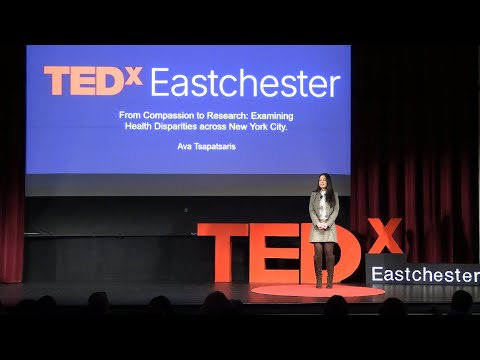
From Compassion To Research | Ava Tsapatsaris | TEDxEastchester School District
Ava Tsapatsaris explores how hospitals in New York City can embrace a plan to be more efficient and caring Ava is an Emmy Award–winning broadcast journalist and published scientific researcher. She has raised over $100,000 for cancer research, including funding a literacy and treatment room at St.