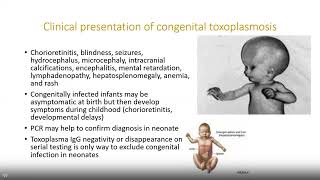
Role of Serology for Congenital Infections and Vaccine-Preventable Diseases in Prenatal Settings
Explore serology's role in preventing prenatal infections, identifying maternal immune status, and guiding vaccinations. Learn how testing aids in diagnostic workups and behavior modifications for pregnant women.
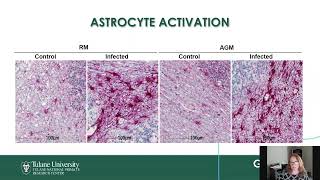
Neuropathology of SARS-CoV-2 Infection in Aged Non-human Primates
Explore SARS-CoV-2's neurological impact through aged non-human primate studies. Gain insights into brain effects, risk factors, and implications for patient care and follow-up treatment.
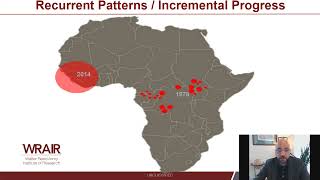
Toward Universal Coronavirus Vaccines: From Concept to Clinic
Explore the development of a broadly protective coronavirus vaccine, from design to clinical trials. Learn about SpFN's potential to combat multiple sarbecovirus lineages and future pandemic threats.

Animal and Snake Bites - Clinical Nursing Care
Learn to manage animal and snake bites, including mechanical injuries, infections, and envenomation. Gain essential clinical nursing skills for effective patient care and treatment of various bite-related complications.

Translation Studies in Arboviral Pathogens
Explore chikungunya arthritis and dengue vascular permeability studies, focusing on translational science in arboviral pathogen research.
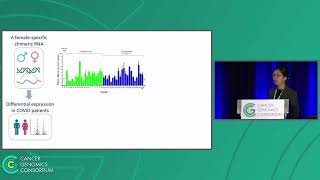
A Female-Specific Chimeric RNA with Differential Expression in COVID Patients
Explore a female-specific chimeric RNA's differential expression in COVID patients, uncovering potential implications for diagnosis and treatment.

Combining Biobanks and Cohort Studies - The Best of Both Worlds
Explore the integration of biobanks and cohort studies to enhance genetic research and improve understanding of complex diseases.
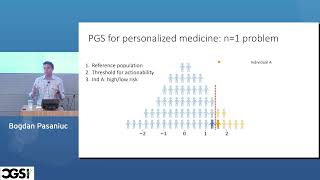
Personalized Genomic Medicine Using Large-Scale Biobanks Linked with Medical Records
Explore personalized genomic medicine using large-scale biobanks and medical records. Learn about leveraging genomic diversity for discovery and promoting precision health research in diverse populations.
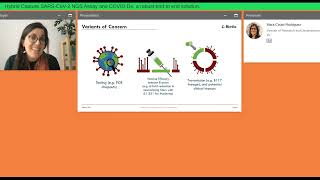
Hybrid Capture SARS-CoV-2 NGS Assay and COVID-Dx: A Robust End-to-End Solution for Viral Detection and Surveillance
Explore a robust solution for SARS-CoV-2 detection and genetic variant surveillance using hybrid capture NGS assay and COVID-Dx. Learn about cutting-edge genomics tools for viral monitoring.
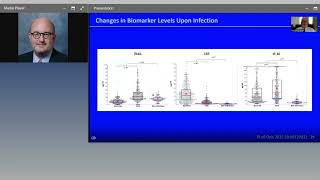
Use of Host-Response Serum Biomarkers to Distinguish Bacterial from Viral Infections
Explore advances in using host-response biomarkers to differentiate bacterial and viral infections, aiding in accurate diagnosis and appropriate antibiotic use in emergency settings.
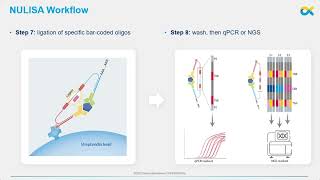
Comparison of Multiplexed Platforms for Serum Cytokine Detection in COVID-19 Patients
Explore multiplexed platforms for detecting serum cytokines in COVID-19 patients, comparing Luminex, Olink, and NULISAseq for inflammatory marker analysis.
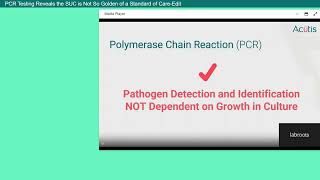
PCR Testing Reveals the Standard Urine Culture is Not So Golden of a Standard of Care
Explore PCR testing's advantages over standard urine culture for urinary tract infections, improving diagnosis accuracy and antimicrobial stewardship to combat resistance crisis.
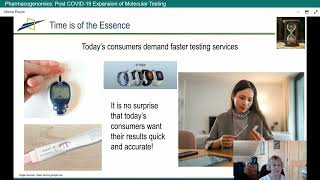
Pharmacogenomics: Post COVID-19 Expansion of Molecular Testing
Explore the expansion of molecular testing post-COVID-19, focusing on RT-PCR applications in infectious diseases and pharmacogenomics. Learn about new opportunities in diagnostic technologies.
COVID and Beyond: NGS Applications for Public Health Surveillance, Epidemiology and Emerging Pathogens
Explore NGS applications in public health surveillance, epidemiology, and emerging challenges, focusing on COVID-19 and future preparedness.
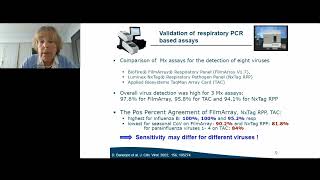
Lower Respiratory Tract Infections in Outpatients: Bacterial Causes and Viral Factors
Explore microbial etiology of lower respiratory tract infections in primary care, focusing on viral and bacterial causes to guide antibiotic use and public health policies.
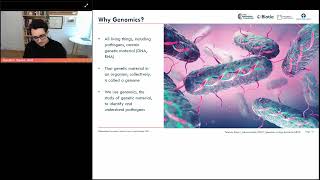
Towards A Global Federated System for Biosurveillance and Pandemic Early Warning Using Genomic, Epidemiological, Climate and Environmental Data
Explore a global federated system for biosurveillance using genomic, epidemiological, climate, and environmental data to model biological risks and enhance pandemic early warning capabilities.
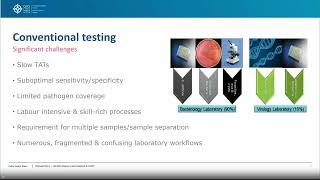
Talking Diagnostics - A Culture Moving to PCR
Explore the shift from traditional culture methods to PCR in infectious disease diagnostics, focusing on improved speed, accuracy, and patient care implications.
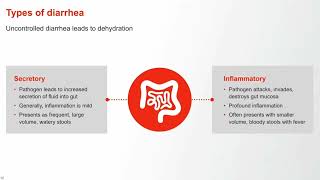
Advances in Diagnostic Testing for Bacteria, Viruses, and Parasites Behind Infectious Gastroenteritis
Explore advances in diagnostic testing for infectious gastroenteritis pathogens. Learn about bacterial, viral, and parasitic causes, and the importance of broad testing for effective disease management and prevention.

Pathogen Discovery and Diagnostic Tools for Pandemic Preparedness and Prevention
Explore advanced techniques for pathogen discovery and diagnostic tools crucial for pandemic preparedness. Learn about emerging viruses, their impact on public health, and strategies for early detection and prevention.

Adjuvant Elicited T Cell Responses for Therapeutic Intervention
Explore adjuvant-elicited T cell responses for therapeutic intervention in cancer treatment. Learn about vaccine design changes to enhance cellular immunity for improved therapeutic outcomes.

c-di-GMP Signaling in Borrelia Burgdorferi - A Guiding Compass for Navigating the Enzootic Cycle
Explore c-di-GMP signaling in Borrelia burgdorferi and its role in navigating the enzootic cycle. Gain insights into host-adaptation mechanisms of Lyme disease spirochetes.