Superbug Evolution - Understanding the Spread of Antimicrobial Resistance
Explore bacterial evolution and antimicrobial resistance, focusing on comparing mouth and gut microbes and developing software to track mobile genetic elements associated with antibiotic resistance genes.
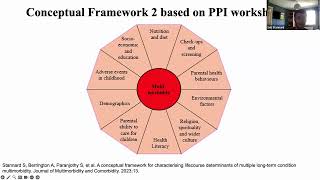
The Journey to the Life-Course Prevention of Multiple Long-Term Conditions
Explore lifecourse prevention of multiple long-term conditions through early-life exposures analysis and their impact on adult health using longitudinal cohort data.
COVID-19 Lockdowns - Evaluating the Effectiveness of Government Interventions
Podcast explores research on effectiveness of government interventions against Covid-19 during first wave, featuring Oxford PhD students discussing their published findings on pandemic policy impacts.
Science Communication in the Covid Era - Robert Winston
Insights on public engagement with Covid-19 science from renowned fertility expert and science communicator Lord Robert Winston, discussing challenges and strategies.
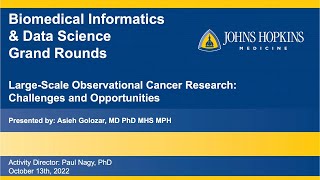
Large-Scale Observational Cancer Research Informatics - Grand Rounds
Explore challenges in observational cancer research and discover the Oncology module's applications with Dr. Asieh Golozar's insights on large-scale informatics.

Age of Infection Disease Modeling: From Kermack and McKendrick to Multi-Compartment Models
Explore the evolution of infectious disease modeling, from early Kermack-McKendrick theories to modern multi-compartment approaches, enhancing understanding of epidemiological dynamics.

Epidemiological Approach to Tau Propagation in Alzheimer's Disease
Explore an epidemiological perspective on tau protein propagation in Alzheimer's, uncovering insights into disease progression and potential interventions.

PRISMA-P and PROSPERO Registration for Systematic Reviews
Explore PRISMA-P guidelines and PROSPERO registration for systematic reviews. Learn essential steps for planning and registering high-quality research protocols.
Framing the Review Question in Epidemiology
Explore systematic review question formulation with Dr. Rizwan S.A., focusing on key elements and strategies for effective research synthesis in epidemiology.
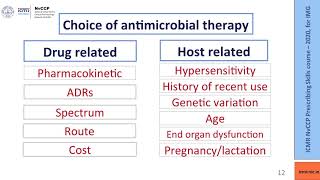
Principles of Antimicrobial Prescribing
Explore key principles of antimicrobial prescribing for Indian medical graduates, focusing on effective and responsible use of antibiotics in clinical practice.
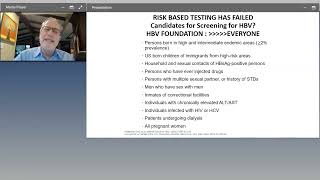
Updated Hepatitis B Guidelines and Hepatitis Delta Overview
Explore updated Hepatitis B guidelines and Hepatitis Delta insights. Learn about prevalence, natural history, genotypes, testing barriers, and new treatments for these liver diseases.
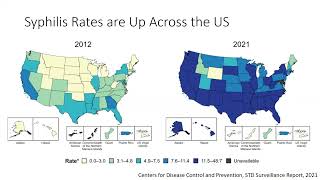
Treponema Screening: Challenges and Diagnostics Roadmap
Explore Treponema screening challenges and diagnostics roadmap. Learn about incident rates, benefits of reverse algorithm, testing challenges, and future needs in this informative webinar.

CD3ζ as a Novel Integration Site for Reprogramming Immune Cells with Chimeric Antigen Receptors
Explore CD3ζ as a novel integration site for reprogramming immune cells with Chimeric Antigen Receptors. Learn about advancements in CAR-T therapies, challenges in current approaches, and potential solutions for improved accessibility and efficacy.
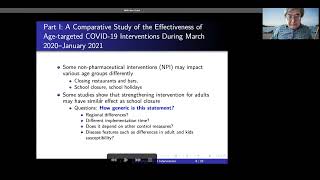
Assessing the Impact of Non-Pharmaceutical Interventions During the Early Stage of COVID-19 Pandemic
Explore the effectiveness of early COVID-19 interventions through mathematical modeling, analyzing data to evaluate public health strategies and their impact on pandemic control.

Epidemics on Large Networks - Phase Transitions and Survival Time
Explore epidemic models on large networks, focusing on phase transitions in survival time for deterministic and random graphs. Recent progress and open questions discussed.
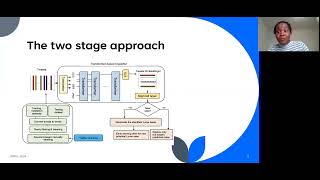
Identification of Potential Lyme Disease Cases Using Self-Reported Worldwide Tweets
Explore innovative methods for identifying potential Lyme disease cases through analysis of self-reported tweets, leveraging social media data for public health insights.

COVID-19 - Coronavirus: Epidemiology, Pathophysiology, Diagnostics
Comprehensive overview of COVID-19, covering its epidemiology, pathophysiology, and diagnostic methods. Explores the virus's origins, transmission, symptoms, and health impacts.
Climate Change and Dengue Fever - A Scientific Analysis
Comprehensive examination of climate change's impact on dengue fever distribution, focusing on empirical evidence and epidemiological data.

Can Dogs Sniff Out the Next Pandemic Before It Begins?
Neurobiologist explores how animals' powerful sense of smell can detect diseases faster than traditional tests, potentially preventing pandemics and improving public health.

Snakebites - Inspiration, Innovation and Investment
Exploring snakebites as neglected tropical diseases, Armenian snake venoms, and innovative antivenom solutions. Highlights research efforts and public health implications of targeted antivenom development.
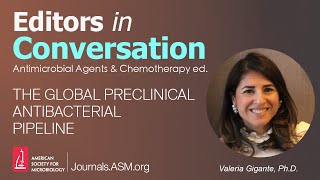
The Global Preclinical Antibacterial Pipeline - Editors in Conversation
Explore the global preclinical antibacterial pipeline, discussing progress, challenges, and opportunities in antibiotic discovery with WHO expert Valeria Gigante and AAC Editor Cesar Arias.