International Statistical Approaches to COVID-19
Experts discuss COVID-19 modeling in France, challenges in decision support, and findings as societies reopen, offering insights into statistical approaches for pandemic response.
Methodological Challenges and Approaches in COVID-19 Epidemiology
Explores challenges in COVID-19 epidemiology, covering transmission studies, clinical course analysis, and vaccine effectiveness evaluation, offering insights into research methodologies and findings.
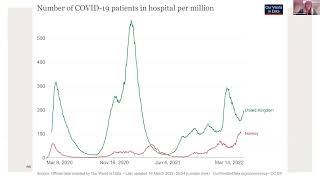
A Probabilistic Approach for Situation Awareness and Forecasting of COVID-19 in Norway
Explore a probabilistic model for regional COVID-19 transmission using mobile data and epidemiological time series, with insights on its practical application in Norway's pandemic management.
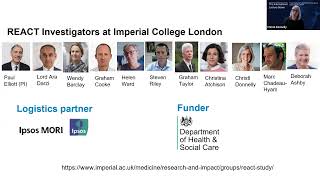
Understanding SARS-CoV-2 Transmission Using the REACT-1 National Survey
Explore REACT-1 study's insights on SARS-CoV-2 spread in England, including variant tracking and community-based surveillance for informed policymaking and situational awareness.
Predictions and Interventions in India's COVID-19 Crisis
Explore data-driven modeling of COVID-19 in India, examining intervention timing, estimating unreported deaths, and developing a framework for pandemic resilience through mathematical analysis.
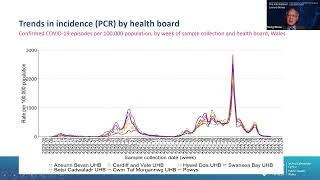
Experiences in the COVID Pandemic in Wales and Response
Insights into Wales' COVID-19 response: challenges of rapid implementation, decision-making with uncertain science, and system-wide efforts in diagnostics, surveillance, and control measures.

Making Healthcare Equal for Everyone - Addressing Health Inequalities
Exploring health inequalities revealed by COVID-19, Professor Kevin Fenton discusses strategies to improve health outcomes for all, drawing from his experience in tackling disparities in HIV and pandemic response.
Metabolites: The Key to Treating Alzheimer's?
Explore the role of metabolites in aging, Alzheimer's, and long-COVID. Learn how these small molecules influence protein function and their potential in developing treatments for age-related neurodegenerative diseases.
Antimicrobial Resistance - The End of Modern Medicine?
Explore the global threat of antimicrobial resistance with Dame Sally Davies. Learn about its causes, spread, and urgent need for action to preserve modern medicine's effectiveness.
Vaccines: Warriors and Worriers - Panel Discussion on Vaccine Science and Misinformation
Panel discussion exploring vaccine science, skepticism, and online misinformation. Experts discuss immune responses, public perception, and the spread of vaccine-related disinformation on social media platforms.
Are We Ready for the Next Pandemic?
Peter Piot discusses global pandemic preparedness, highlighting lessons from Ebola and HIV/AIDS. He emphasizes prevention strategies and the need for improved readiness in our interconnected world.
How Do Pathogens Cause Disease and How Can We Fight Them?
Explore how viruses, bacteria, fungi, and protozoa infect the body and strategies to combat them. Learn about respiratory infections and cutting-edge research in infectious diseases.

Serum Ascites Albumin Gradient - Peritoneal Effusion - Lab
Comprehensive exploration of Serum Ascites Albumin Gradient (SAAG) and peritoneal effusion, covering causes, diagnosis, and clinical implications in liver and abdominal conditions.
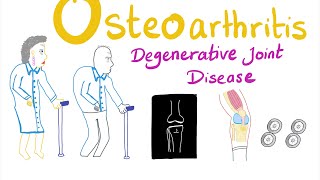
Osteoarthritis - Definition, Etiology & Epidemiology
Comprehensive overview of osteoarthritis, covering definition, causes, and prevalence. Explores primary and secondary types, common symptoms, diagnostic methods, and its impact on the elderly population.

Rheumatoid - Management - Hydroxychloroquine and Other Synthetic DMARDs
Exploración detallada de hidroxicloroquina y otros DMARD sintéticos para el tratamiento de la artritis reumatoide, incluyendo mecanismos de acción, beneficios y consideraciones de uso.
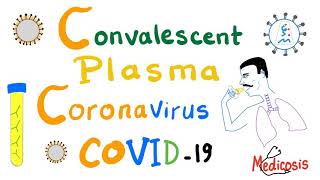
Convalescent Plasma for COVID-19
Explore the use of convalescent plasma as a potential treatment for COVID-19, including its mechanism of action, benefits, and limitations in combating SARS-CoV-2 infection.
Causal and Associational Language in Observational Health Research
Explore the nuances of language in observational health studies, examining how causal and associational terms impact research interpretation and conclusions.
Tutorial Lecture Series on Infectious Diseases Affecting Africa - Part 4
Explore infectious diseases impacting Africa in this lecture, part of a series examining public health challenges and mathematical approaches to addressing them.

Cyber Attacks During COVID-19 and Prevention Measures
Explore the surge in cybercrime during COVID-19, its global impact, and learn essential prevention strategies to protect yourself from future cyber threats.
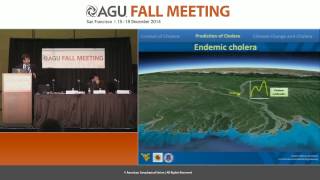
Climate Change and Cholera: Seasonal Patterns and Global Impact
Explore the impact of climate change on cholera outbreaks, examining case studies from Mozambique, South Sudan, and Haiti to understand seasonal patterns and predict future trends.
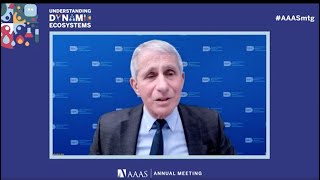
COVID-19 in 2021: Lessons Learned and Remaining Challenges
Dr. Fauci discusses COVID-19 progress, treatments, prevention strategies, and ongoing challenges in ending the pandemic, drawing from his extensive experience advising presidents on global health issues.