
Antimicrobial Therapy - An Empiric Approach - The EM Boot Camp Course
Comprehensive guide to empiric antimicrobial therapy in emergency medicine, covering bacterial classifications, antibiotic types, and treatment approaches for various infections across body systems.
Blood - The Liquid Tissue Transplant - EM & Acute Care Course
Explore the latest evidence-based insights on blood transfusion in emergency care, including controversies, recommendations, and key considerations for optimal patient outcomes.

Fever in the Returned Traveler - EM & Acute Care Course
Explore evidence-based approaches to diagnosing and treating fever in travelers, focusing on key infectious diseases and their management in emergency care settings.
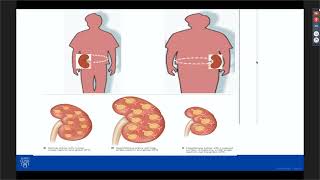
Obesity and Kidney Disease - Effects of COVID on Acute Kidney Disease and Obesity and Transplantation
Explore the impact of obesity on kidney health, COVID-19's effects on acute kidney disease, and obesity's role in transplantation with insights from nephrologists and transplant surgeons.
Infectious Diseases Pearls
Infectious disease insights covering community-acquired infections, aspiration, bacteriuria, pyelonephritis, and antibiotic guidelines. Emphasizes evidence-based approaches and avoiding fluoroquinolones.
Common Pain Disorders - Lower Back Pain
Comprehensive overview of lower back pain, covering causes, evaluation, imaging, and treatment strategies for both acute and chronic cases.
An Aid to Antibiotic Decision Making
Explore procalcitonin's role in antibiotic decision-making for respiratory infections and sepsis, including clinical applications, studies, and implementation strategies.

Updates on Diagnosis of Meningitis and Encephalitis
Comprehensive overview of meningitis and encephalitis diagnosis, covering etiology, recognition, diagnostic approaches, and new molecular techniques for healthcare professionals.

Biomarkers in Infectious Diseases: Procalcitonin & Beyond
Explore procalcitonin and other biomarkers for diagnosing bacterial infections, optimizing antibiotic use, and improving outcomes in respiratory infections and sepsis.

Pediatric ECMO - State of the Art in 2014 with Dr. Heidi Dalton
Dr. Dalton discusses pediatric ECMO advancements, global trends, and best practices. The talk covers types, complications, epidemiology, and technology updates in extracorporeal life support for critically ill children.
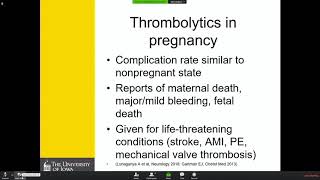
Evaluation & Management of Medical Conditions of Pregnancy in the Perinatal Period
Learn to evaluate and manage critical medical conditions during pregnancy, including stroke, small bowel obstruction, acute MI, and influenza, with insights from a maternal-fetal medicine expert.
Prevalence of Acute Critical Neurological Disease in Children by Dr. Ericka Fink
Dr. Ericka Fink discusses epidemiologic insights from the PANGEA pediatric neurocritical care research network, sharing methodology, findings, challenges in resource-limited settings, and future research directions.
Characteristics and Outcomes of U.S. Children and Adolescents with MIS-C by Dr. Adrienne Randolph
Dr. Randolph discusses epidemiology, clinical characteristics, and outcomes of pediatric Severe Acute COVID-19 and MIS-C, providing insights to distinguish between these conditions for timely and effective therapies.
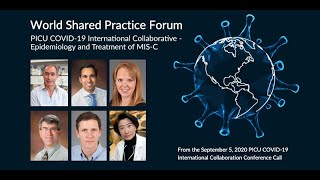
Epidemiology and Treatment of MIS-C
Explore the latest insights on MIS-C epidemiology and treatment from global experts. Learn about current trends, clinical guidance, and management strategies for this COVID-19-related condition in pediatric patients.

Pulmonary Hypertension Assessment - Bench to Bedside
Comprehensive overview of pediatric pulmonary hypertension, covering classification, epidemiology, endothelial basis, and current research, with focus on congenital heart disease and hemodynamic forces.

Defining Pediatric ARDS-Past and Future
Dr. Khemani explores the evolution of ARDS definitions, focusing on the PALICC classification for pediatric ARDS. Learn about key considerations, validation datasets, and epidemiological insights in this comprehensive lecture.
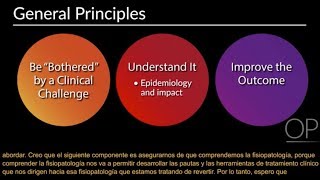
Improving Outcomes - Lessons Learned from Pediatric Sepsis
Dr. Shanley shares insights on improving pediatric sepsis outcomes, analyzing PICU experiences and strategies for clinical challenges. He explores sepsis epidemiology, shock types, and innovative research methodologies in pediatric critical care.
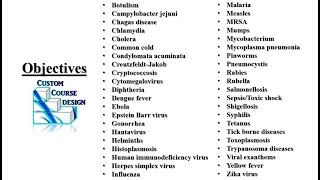
Infectious Disease Review for PA and NP Didactic - PANCE and PANRE Prep
Comprehensive review of infectious diseases for PA/NP students and practitioners. Covers key concepts, emphasizes highly tested topics, and offers additional resources for in-depth study.
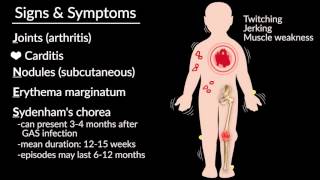
Acute Rheumatic Fever - Emmanuel Rusingiza, MD - OPENPediatrics
Comprehensive overview of Acute Rheumatic Fever: epidemiology, causes, diagnosis, treatment, and prevention strategies. Ideal for healthcare professionals seeking in-depth knowledge on this critical pediatric condition.

Public Health - Education, Access, and Policy in Addressing Health Crises
Explore public health pillars and data's role in addressing COVID-19 and opioid crises with Marin County's Health Officer Matt Willis. Gain insights on vaccination trends, policy, and communication strategies.
Convalescent Plasma for the Treatment of COVID-19 – Presented by Professor David Roberts
Explore convalescent plasma treatment for COVID-19, covering evidence, program components, operational challenges, and future directions in this expert-led seminar.