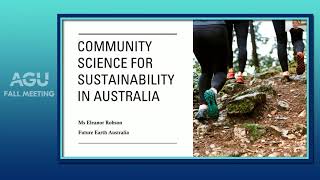
Adapting Community Science for International Operations
Explore how Thriving Earth Exchange's community science approach is adapted globally, featuring insights from Australia, Mongolia, and Senegal on motivations, projects, and expected impacts.
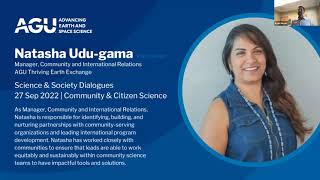
Science and Society Dialogues - Community and Citizen Science
Explore the intersection of community engagement and scientific research through citizen science initiatives, fostering collaboration between researchers and the public.
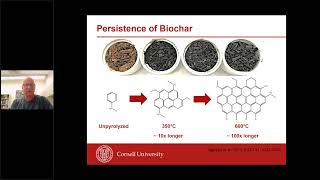
What Are the Soil Carbon Sequestration Potentials of Biochar and Enhanced Weathering?
Explore the potential of biochar and enhanced weathering for soil carbon sequestration, examining their effectiveness, implementation methods, and environmental impacts.
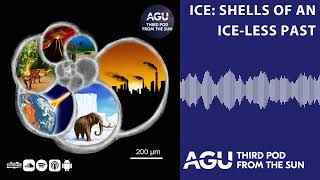
Ice: Shells of an Ice-Less Past - Tracking Climate Change Through Foraminifera Fossils
Explore Earth's ice-free past through fossil evidence, uncovering climate changes and their implications for our future with Smithsonian climate detective Brian Huber.
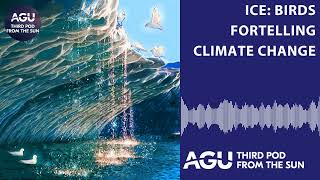
Ice: Birds Foretelling Climate Change
Explore how climate change impacts snow petrels in Antarctica through Indian researcher Anant Pande's work, revealing the delicate balance between melting ice and extreme weather on these unique birds' nesting habits.
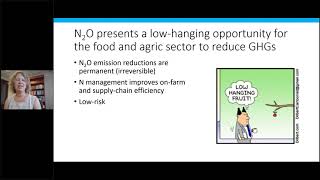
Managing N2O - Quantifying and Reducing Agricultural N2O Emissions at Scale
Explore strategies for quantifying and reducing agricultural N2O emissions, focusing on large-scale accounting and improved water management in the U.S. corn belt.
Taming the Wild Mississippi River Delta - Research Insights
Experts discuss the Mississippi River Delta's rapid changes due to natural and human factors, offering insights into its dynamic nature and the impact of severe storms and climate change.
Explaining Extreme Weather Events of 2020 from a Climate Perspective
Experts analyze climate change's role in 18 extreme weather events from 2020, including droughts, heatwaves, and wildfires, discussing rapid climate attribution methods and their applications.
NOAA Arctic Report Card 2021 - Climate Change Impacts in the Polar Region
NOAA's 2021 Arctic Report Card reveals ongoing climate-driven transformations in the polar region, impacting weather, climate, and communities worldwide. Experts discuss rapid changes and the need for improved observations.
Canine Oil Spill Detection: Using Odor Signatures to Improve Detection on Land and Water
Researchers discuss using trained dogs for oil spill detection, exploring the chemical properties enabling canine detection, and improving training methods based on their findings.
The Threat from Thwaites - The Retreat of Antarctica's Riskiest Glacier
Experts discuss the rapid retreat of Antarctica's Thwaites Glacier, its potential impact on global sea levels, and the urgency of understanding its weakening process to address future flooding risks in coastal areas.
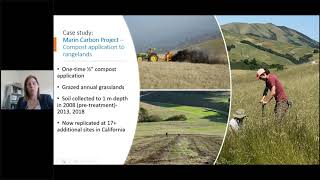
Carbon Sequestration Potential of Organic Amendments in Agriculture - Part 7
Explore case studies on manure and compost amendments' impact on soil carbon sequestration in agricultural ecosystems, featuring insights from UK and US research.
2020 Arctic Report Card - 15 Years of Environmental Observations and Analysis
Annual NOAA-led Arctic Report Card reveals dramatic environmental changes in the Arctic, including trends in Bowhead whale populations and wildland fires. Includes a 15-year retrospective on Arctic transformations and their global impacts.
Meet the Epic-N Network with Thriving Earth Exchange
Explore how EPIC-N connects universities with local governments to improve quality of life. Learn about leveraging resources, follow-on engagement, and growing community science initiatives.
Frontiers in Subsurface Transport - 2020 Hydrology Early Career Award Lecture
Explore cutting-edge research in subsurface transport with Dr. Veronica Morales from UC Davis. Part of AGU's Hydrology Early Career Award lecture series, showcasing emerging leaders in hydrology.
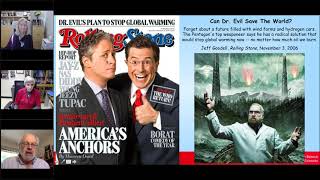
Two Approaches for Mitigating Global Climate Change
Explore two climate change mitigation strategies: stratospheric sulfur geoengineering and state-level carbon footprint reduction, examining their potential benefits, risks, and implementation challenges.

Exoplanetary Ecosystems - What We Know and Need to Know
Explore the fascinating world of exoplanetary ecosystems, examining current knowledge and future research directions in this captivating plenary talk by Hilairy E. Hartnett.

Building a Borderless World of Geoscience for the Future of Earth and Humanity
Explore the vision for a unified global geoscience community and its potential impact on Earth's future and humanity's well-being with AGU President Robin Bell.
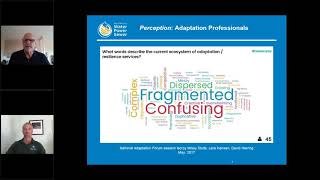
Toward Solution Science: Lessons from a Decade of Climate Scientist-Practitioner Dialog
Explore the journey towards solution-oriented science through a decade-long dialogue between a climate scientist and adaptation practitioner, focusing on making research relevant to societal challenges and decision-making.
Climatological, Meteorological and Environmental Factors in COVID-19 Pandemic - Day 3 Part 1
Experts discuss environmental and meteorological factors in COVID-19 forecasting, addressing challenges in communicating predictions and informing decision-makers amidst uncertainty.
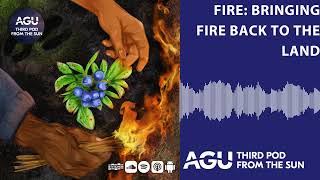
Fire: Bringing Fire Back to the Land - Indigenous Cultural Burning Practices
Indigenous cultural burning: Preventing blazes, creating resilient ecosystems, and providing resources. Explore the practice, its impact on land, and connection to social justice.