Pythonista - A Full-Featured Python Environment for iOS Devices
Explore Pythonista, a full-featured Python environment for iOS. Learn to develop apps using GPS, image manipulation, gyroscope, and Dropbox integration on your iPad or iPhone.
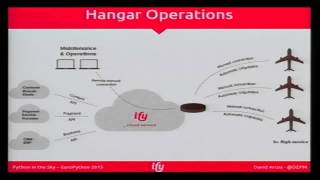
Python in the Sky - In-Flight Entertainment with Python
Explore building a Python-based in-flight entertainment system, addressing unique challenges at 10,000 meters and discussing architecture decisions for eventual connectivity.
Getting More Out of Matplotlib with GR
Enhancing Matplotlib performance with GR framework for high-speed data visualization, real-time applications, and improved 3D rendering. Explore interoperability with GUI toolkits and OpenGL.
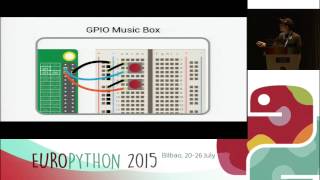
Physical Computing with Python and Raspberry Pi
Explore physical computing using Python on Raspberry Pi. Learn to control hardware, create interactive projects, and discover engaging applications in education and beyond.
Multibody Simulation Using Sympy, Scipy and Vpython
Explore multibody simulation using Python packages sympy, scipy, and vpython for engineering and educational purposes. Learn to formulate mechanical problems and integrate equations.
Build and Control a Python-Powered Robot
Learn to build a Python-powered robot using Raspberry Pi, OpenCV, and gpiozero. Explore hardware options, computer vision algorithms, and GPIO control for creating an interactive, people-recognizing robot.
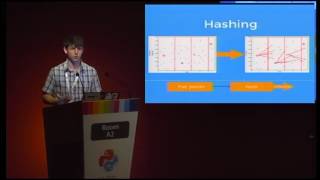
Implementing a Sound Identifier in Python
Explore Python-based sound recognition using DSP techniques. Learn to implement a Shazam-style identifier, covering fingerprinting, challenges, and future steps. Suitable for Python enthusiasts interested in audio processing.
Making Robots Walk with Python
Learn to program walking robots using Python, exploring remote control, onboard computers, and MicroPython. Discover solutions to common challenges and see real-world examples of custom-built walking robots.
Effective Code Review
Explore effective code review techniques, focusing on knowledge transfer, team awareness, and finding alternative solutions. Learn to foster open discussions and improve the review process for both authors and reviewers.
Music Transcription with Python
Explore real-time monophonic music transcription using Python, converting audio to MIDI events through pitch and duration analysis, with potential for live sound manipulation.
Implementación de un Identificador de Sonido en Python
Aprende a implementar un identificador de sonido tipo Shazam usando Python y técnicas de procesamiento de señales digitales. Explora la estructura, desafíos y próximos pasos del proyecto.
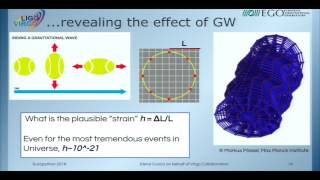
Python in Gravitational Waves Research Communities
Explore gravitational wave detection using Python, focusing on data analysis methods and signal processing techniques used in the LIGO-Virgo collaboration's groundbreaking discovery.
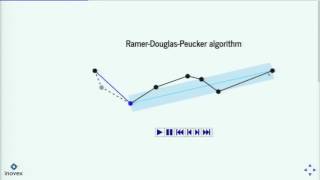
Handling GPS Data with Python
Learn to handle GPS data in Python, from reading/writing tracks to visualizing on OpenStreetMap. Explore libraries, add elevation data, and understand algorithms like Douglas-Peucker and Kalman filters for track simplification and smoothing.

3D Modeling and Printing by Python
Learn to create 3D models for printing using Python APIs in popular software like Blender and Fusion 360. Explore basic concepts, practical tips, and real-world project examples for generating 3D models programmatically.
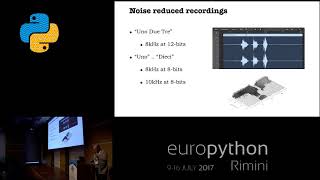
Building a Real-Time Embedded Audio Sampling Application with MicroPython
Explore real-time embedded audio sampling using MicroPython on the pyboard. Learn design, testing, and implementation of a voice recording and playback system for practical applications.
MicroPython Workshop
Hands-on workshop for programming ESP8266 boards with MicroPython. Learn to control LEDs, servos, sensors, and communicate via HTTP/MQTT. No prior electronics experience needed.
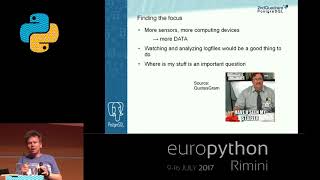
PostgreSQL - The Database for Industry 4.0 and IOT
Explore PostgreSQL's strengths for managing massive data in Industry 4.0 and IoT. Learn about its development, extensibility, and robustness, with insights on version 9.6 and 10 features.
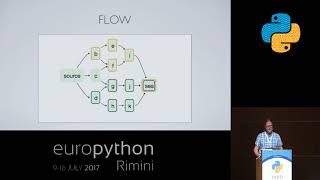
Developing Elegant Workflows in Python Code with Apache Airflow
Learn to orchestrate data processing pipelines using Apache Airflow. Discover how to define, manage, and extend workflows with Python code, creating resilient and efficient data processing systems.
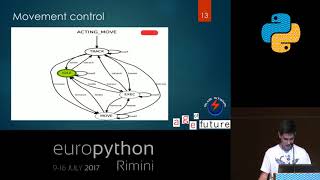
A Robotic Platform for Natural and Effective Human-Robot Interaction
Explore a Python-based humanoid robotic platform for natural human-robot interaction using speech, gestures, and facial expressions. Learn about its architecture, applications, and see a live demo.
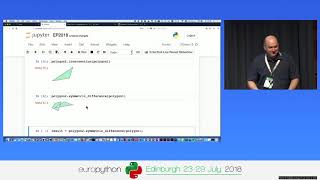
Processing Geodata Using Python and Open Source Modules
Learn to analyze, manipulate, and visualize geospatial data using Python and open-source modules like Shapely, Fiona, rasterio, and GeoPandas. Explore vector and raster data handling, spatial reference systems, and map creation.
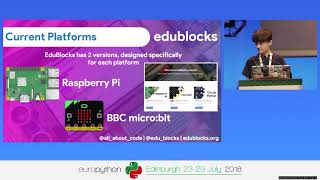
EduBlocks - Making the Transition to Python Easier
Discover EduBlocks, a drag-and-drop Python 3 tool created by 14-year-old Josh Lowe to bridge the gap between block-based programming and Python, making coding more accessible for students and teachers worldwide.