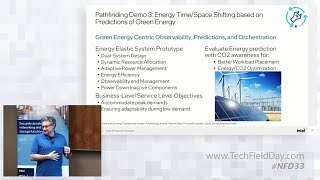
Elastic Energy Distributed Edge Infrastructure with Intel Ethernet and IPU
Discover how to implement federated energy management systems for optimized carbon footprint and costs through adaptive configurations, observability controls, and energy distribution strategies.
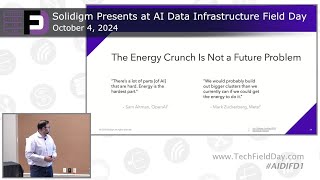
The Energy Crunch in AI Data Centers - Solutions with QLC Storage Technology
Explore how QLC storage solutions revolutionize data center efficiency, reducing energy consumption by 80% while enabling greater GPU rack density and optimized AI infrastructure performance.
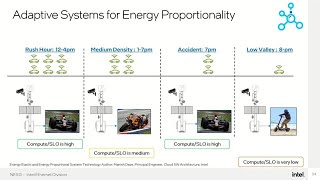
Improving Sustainability at the Edge with Intel Energy Elastic Systems
Discover how to optimize energy consumption and reduce carbon footprint at the edge through Intel's innovative Ethernet and IPU solutions, focusing on workload performance indicators and energy elasticity.
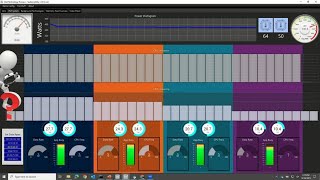
Achieving Power Savings for Communications Workloads Using Localized Workload Telemetry
Discover how localized workload telemetry can optimize power consumption in communications systems through dynamic monitoring and real-time adjustments demonstrated by Intel.
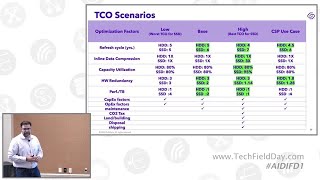
Optimizing Data Center TCO - An In-Depth Analysis and Sensitivity Study
Discover how to optimize data center costs through comprehensive TCO analysis, focusing on storage solutions, hardware configurations, and long-term cost-effectiveness for AI infrastructure deployment.
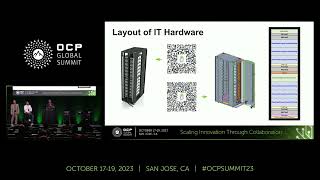
Densifying Modular Data Centers with Hybrid Cooling - Achieving 300kW+ Capacity
Explore hybrid cooling solutions for modular data centers, focusing on direct-to-chip cold plates and Door HX technology to achieve 300kW+ capacity and improved energy efficiency.
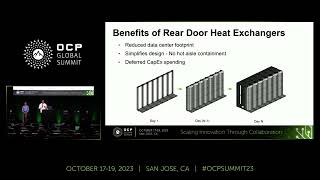
Frame-Based Deployment of Rear Door Heat Exchanger for Data Center Cooling Efficiency
Discover how to efficiently deploy Rear Door Heat Exchangers in data centers using frame-based systems to improve cooling and reduce energy consumption while maintaining hardware flexibility.
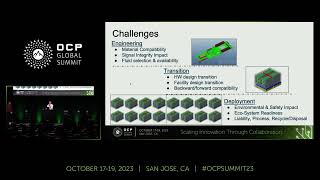
Immersion Cooling for Data Center Hardware - Progress, Opportunities and Challenges
Explore the latest developments in data center immersion cooling technology, examining single and two-phase solutions, engineering trade-offs, and future implementation challenges at scale.
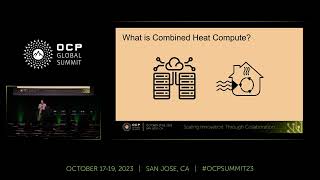
Using Open Compute Project Innovations to Heat City Swimming Pools - A Sustainable Solution
Explore how liquid-cooled data centers based on Open Compute Project specifications can efficiently heat municipal swimming pools while reducing gas dependency and environmental impact.
Carbon Footprint Reduction Through Hyperscale Computing - A Data Center Case Study
Discover how hyperscale computing deployment reduces carbon footprint through a 500+ server case study, analyzing performance metrics and operational efficiency in data center environments.
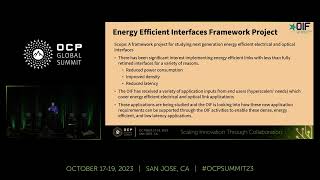
The Path for Next Generation Optics - Data Center Solutions and Sustainability
Discover cutting-edge developments in optical networking technology, focusing on protocol-agnostic specifications, energy efficiency, and solutions optimized for AI/ML workloads in modern data centers.
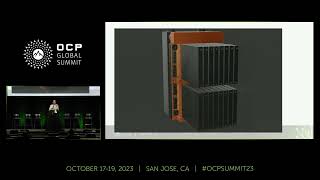
HPC: The Next Generation - A Sustainable Energy-Centric Architecture Innovation
Explore revolutionary sustainable computing architecture that replaces traditional 19" racks with efficient "Wall of Compute" systems, featuring direct water cooling and scalable High Performance Compute Modules.
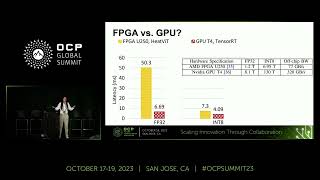
Architectural Challenges and Innovation for Compute Infrastructure Co-Design in Generative AI
Explore architectural solutions for generative AI computing challenges, focusing on heterogeneous computing infrastructure and chiplet-based systems for improved energy efficiency.
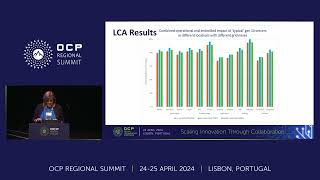
Environmental Impact Analysis of Air and Liquid Cooled Servers - Choosing the Right Cooling Technology
Explore the environmental impact comparison between air and liquid-cooled server systems across different locations, focusing on carbon emissions and sustainability considerations.
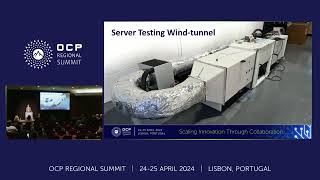
Leveling the Playing Field - Industry Standard Benchmarks and OCP Architecture
Explore how to adapt industry standard benchmarks like SPECpower and SERT 2.0 for OCP architecture, focusing on power consumption measurement and data center efficiency testing methodologies.
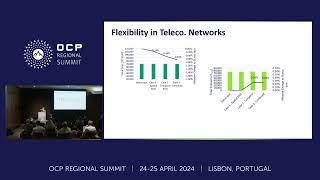
Enhancing Telecommunications for Sustainable and Efficient Central Offices
Discover strategies for optimizing central offices in telecom networks through sustainable practices, energy-efficient solutions, and innovative data center design principles for reduced environmental impact.
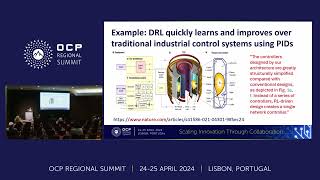
Increasing Energy Efficiency of Server Cooling Using Deep Reinforcement Learning
Discover how Deep Reinforcement Learning optimizes server cooling efficiency, reducing fan energy usage by 40% and achieving 8% overall server energy savings through intelligent thermal management.
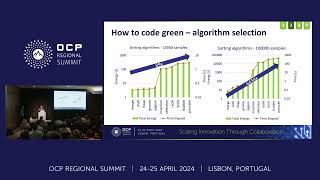
Telemetry Enhanced Green Coding - How Detailed Telemetry Can Contribute to Sustainability Goals
Discover how to leverage CPU telemetry metrics to measure and optimize code sustainability, exploring eco-friendly programming practices and energy-efficient algorithms.
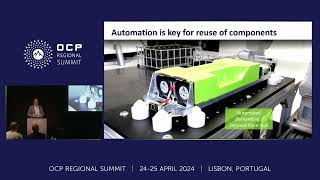
Scaling Down While Scaling Up - Design Choices That Increase Efficiency and Performance
Discover how innovative design approaches in hyperscale systems optimize performance while reducing complexity, costs, and carbon footprint through collaborative hardware, software, and operational strategies.
From Bottlenecks to Breakthroughs - Innovations in Data Center Infrastructure and Security
Explore cutting-edge innovations in AI infrastructure, focusing on security, energy efficiency, and datacenter optimization through Microsoft's experience in scaling supercomputing clusters.
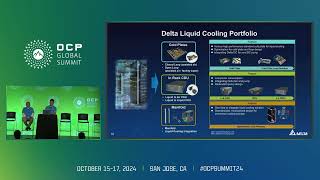
Cooling Solutions for AI Data Centers in the AI Era
Discover innovative cooling solutions designed specifically for AI data centers, exploring Delta Electronics' advanced thermal management technologies and strategies.