The Story of O: Evolution of Earth's Oxygen Cycle and Its Relevance to Extraterrestrial Life
Explore Earth's oxygen cycle evolution and its implications for extraterrestrial life in this captivating lecture by Paul Falkowski, delving into planetary sciences and astrobiology.

Geomorphology: The Shock of the Familiar - Langbein Lecture
Explore geomorphology's familiar yet surprising aspects with William E. Dietrich, uncovering new insights into Earth's surface processes and landform evolution.
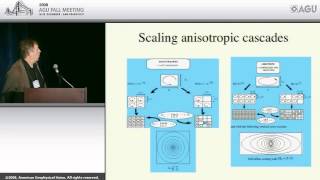
Predictability and Uncertainties in Geophysics - From Butterfly Effect to Ensemble Predictions
Explore geophysical predictability, from the Butterfly Effect to ensemble predictions and multifractal analysis, with insights on uncertainties and applications in climate and oceanography.
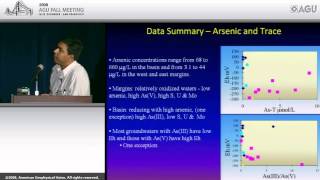
Arsenic and Other Metals as Contaminants in Hydrologic Systems - Part 2
Explore arsenic and metal contamination in hydrologic systems, focusing on environmental impacts, detection methods, and mitigation strategies for water resource management.
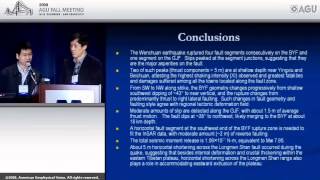
The Great 2008 Wenchuan Earthquake - A Multidisciplinary View
Multidisciplinary analysis of the 2008 Wenchuan Earthquake, exploring geological, seismological, and tectonic aspects to understand its causes, impacts, and implications for future seismic events in the region.
Episodic Tremor and Slip - Field Studies and Growing Research
Explore the latest field studies on Episodic Tremor and Slip, a growing area of research in geophysics, presented by leading experts from University of Washington and Stanford.
Interaction and Coevolution of Earth Reservoirs - Coupling of Mantle, Tectonic, Atmospheric, and Hydrospheric Dynamics
Explore Earth's dynamic systems and their interconnected evolution, focusing on mantle, tectonic, atmospheric, and hydrospheric interactions that shape our planet's history and future.
Cultural Politics of Climate Change
Explore the cultural dimensions and public engagement strategies of climate change, examining global citizen involvement, communication models, and reframing approaches.
Rocks That Remember - Bullard Lecture
Explore the fascinating world of rock magnetism and its implications for Earth's magnetic field history, presented by expert Suzanne A. McEnroe at the AGU Fall Meeting.
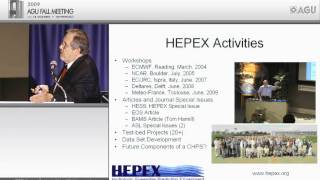
Water, Weather, and Climate in Our Future - What Can We Know?
Explore the future of water resources, weather patterns, and climate change with insights from a retired NOAA expert. Gain valuable knowledge on potential impacts and uncertainties.
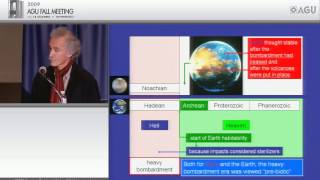
Mars Exploration: Bridging Our Past and Future
Explore Mars's geological history and its potential for hosting life through cutting-edge space missions and scientific discoveries, bridging our understanding of the Red Planet's past and future.
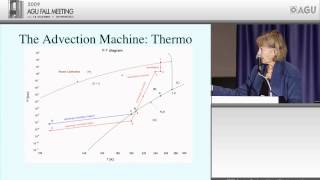
Enceladus: Oasis or Ice Ball? - Exploring Saturn's Enigmatic Moon
Explore Enceladus's intriguing features, from its size and chemistry to its unique terrains and geysers, drawing parallels with Earth's geothermal phenomena like Old Faithful.
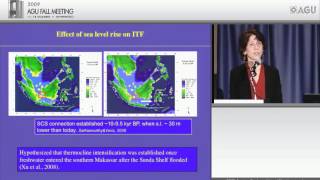
Holocene Changes in the Indonesian Throughflow Region
Explore Holocene-era changes in the Indonesian Throughflow region, examining climate patterns, ocean circulation, and their impacts on global systems over the past 11,700 years.
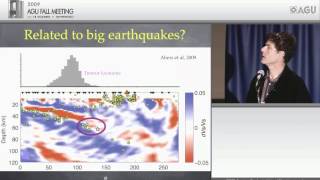
Tremor: The Curious Third Wheel of Fault Motion
Explore the intriguing phenomenon of tremor in fault motion, its characteristics, and implications for understanding earthquakes and tectonic processes.
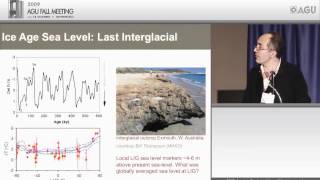
A Eulogy for Eustasy - Fall Meeting 2009 Birch Lecture
Explore the complexities of sea level change, challenging traditional models and examining new evidence from geological records, tide gauges, and satellite data.
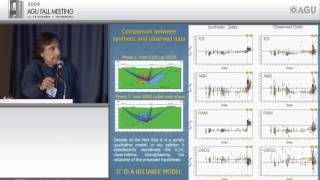
An Earthquake in an Ancient City - The April 2009 L'Aquila Seismic Sequence
Explore the seismic sequence of L'Aquila's April 2009 earthquake, examining its impact on the ancient Italian city and the scientific insights gained from this significant geological event.
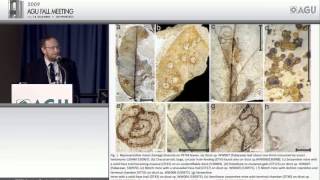
The Biggest Control Knob: Carbon Dioxide in Earth's Climate History
Explore Earth's climate history and CO2's pivotal role as the primary climate regulator, from ancient ice ages to modern global changes, with insights from geological evidence and ice cores.
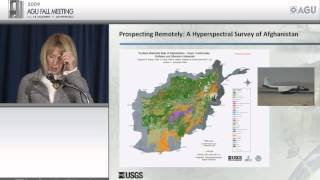
Frontiers of Geophysics - Advances in Earth Science Technologies
Explore cutting-edge geophysical technologies and their applications in earth sciences, from LiDAR to atmospheric rivers, with insights from USGS Director Marcia McNutt.
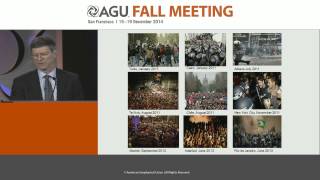
Frontiers of Geophysics - Lecture on Earth System Challenges
Renowned economist Jeffrey Sachs delivers a thought-provoking lecture on the intersection of geophysics, sustainable development, and global challenges in the 21st century.
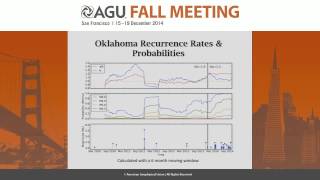
Multidisciplinary Approach to Identify and Mitigate Hazards from Induced Seismicity in Oklahoma
Explore Oklahoma's induced seismicity: causes, impacts, and mitigation strategies through multidisciplinary research and collaborative efforts.
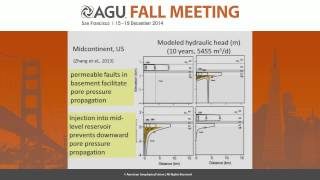
Connecting Wastewater Injection and Seismicity through Pore Pressure - AGU Lecture
Explore the link between wastewater injection and seismic activity through pore pressure analysis, covering key factors, physics, and modeling techniques.