The Future of Reproducible Research - Powered by Kubeflow
Explore the future of reproducible research using Kubeflow, an open-source platform that streamlines data science workflows and enhances scientific collaboration through easily shareable and replicable pipelines.
DevOps in Data Science - What Works and What Doesn't
Explore challenges and solutions in implementing DevOps for data science projects, focusing on balancing ML engineers' needs with data scientists' desire for simplicity using Kubeflow and other tools.
Unlimited Data Science Libraries in One Container Image - Dynamic Environment Modules for Kubernetes
Explore how to leverage environment modules in Kubernetes for data science, enabling dynamic access to thousands of libraries and packages while solving container management challenges.
Fluent Bit - Unifying Logs, OpenMetrics, and OpenTelemetry
Explore Fluent Bit's expanded capabilities for unified observability, integrating logs, metrics, and traces using OpenMetrics and OpenTelemetry protocols. Learn optimization techniques for efficient data collection and aggregation at scale.

Sharing Knowledge: Writing Good Docs for Quick Approval
Learn best practices for creating inclusive, accessible, high-quality documentation in pull requests. Discover how to structure content, write clearly, and avoid common pitfalls for quick approval.
Building a Data Science Platform with Argo Workflows
Discover how Bloomberg and Pipekit leverage Argo Workflows and Kubernetes to create scalable data science platforms, enabling data teams to automate pipelines and self-serve their data engineering needs across multiple clusters.
Building Observability Pipeline with Fluent-Bit
Learn how LinkedIn built observability pipelines using OpenTelemetry and Fluent-bit, exploring their decision-making process, enhancements, and benefits for efficient data collection and monitoring.

Bringing Data Visualization to Backstage: Software Analytics and Developer Insights
Explore software analytics visualization in Backstage, enhancing developer experience with insights from code repositories, issue trackers, and CI/CD pipelines using open-source tools and Vega.js.
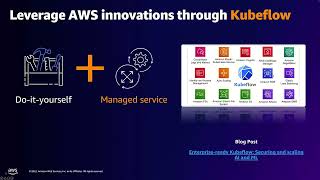
Machine Learning at Scale Using KubeFlow on AWS
Explore scalable machine learning architecture using Kubeflow on AWS, featuring hands-on demos of distributed storage and Kubernetes-based ML toolkit implementation.
Soft Skills for Great Software Developers in a Distributed Work Environment
Explore essential soft skills for software developers in today's distributed work environment, including collaboration, adaptability, and accountability, to enhance professional relationships and career success.
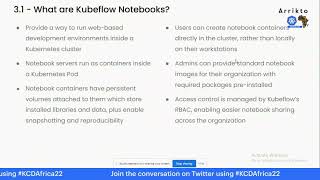
Transforming Jupyter Notebooks to Reproducible Machine Learning Pipelines with Kale
Learn to convert Jupyter notebooks into scalable Kubeflow pipelines using Kale, enabling seamless deployment of ML workflows on Kubernetes for improved reproducibility and efficiency.
The Course of True Community Management Never Did Run Smooth - A One-Act Play
Exploring community management in open source through storytelling, comparing KubeCon practices with other communities, and highlighting inclusivity, kindness, and accessibility in ecosystem evolution.
Fluent Bit - Logging for Kubernetes
Explore Fluent Bit v1.5's new features for Kubernetes logging, including performance enhancements and integrations with major cloud services. Learn from industry experts about this CNCF sub-project's latest advancements.
Kubernetes Cost Allocation Done Right
Explore Kubernetes cost allocation strategies, including visibility across workloads, showback/chargeback programs, and empowering users with actionable cost information.
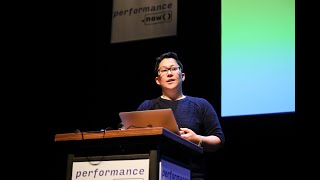
Observability for User Happiness - Enhancing Web Performance
Explore how observability enhances web performance, user happiness, and product design. Learn practical techniques for instrumenting web apps and leveraging data to optimize user experiences.
Poisoned Pickles Make You Ill - Securing Machine Learning Model Serialization
Explore the security risks of using pickle for ML model serialization and learn strategies to protect against poisoned pickles in data science pipelines.
How to Survive High Demanding Services - Managing AI with Kubernetes and Istio
Explore strategies for managing high-demand AI services, including design for seamless changes, real-time monitoring, and auto-recovery using Kubernetes and Istio service mesh.

End to End MLOPS Data Science Project Implementation With Deployment
Comprehensive MLOps project implementation covering data ingestion, validation, transformation, model training, and deployment on AWS EC2 using MLflow and GitHub Actions.
Human-Friendly, Production-Ready Data Science Stack With Metaflow and Kubernetes
Explore a modern ML infrastructure stack using Metaflow and Kubernetes to boost data science productivity. Learn from Netflix's experience in building end-to-end machine learning workflows.
Fluent Bit V2.0 - Unifying Open Standards for Logs, Metrics and Traces
Explore Fluent Bit v2.0's unified approach to observability, integrating logs, metrics, and traces. Learn techniques, best practices, and production deployment tips for modern observability tools.
How GitLab.com Uses Long-Term Monitoring Data for Capacity Forecasting
Explore GitLab's Tamland tool for capacity planning, leveraging long-term monitoring data and predictive forecasting to anticipate and address potential issues in large-scale service operations.