Rust for Linux: Writing Safe Abstractions and Drivers
Explore Rust integration in Linux kernel development, focusing on safe abstractions, driver creation, and infrastructure setup. Learn to write Rust modules without unsafe code.
Block Layer Rust API for Linux Kernel Device Drivers
Exploring Rust integration in Linux kernel's block layer, showcasing Rust null_blk and NVMe drivers, discussing performance optimizations, and addressing upstreaming challenges.
Pixel 6 Support on Android Mainline - Upstreaming Efforts and Challenges
Explore Google's efforts to create an upstreaming Android development platform using Pixel 6, including driver compatibility, reducing technical debt, and future plans.

Fuzzing Host-to-Guest Attack Surface in Android Protected KVM
Explore Android 13's Protected KVM security, focusing on guest device drivers' vulnerabilities. Learn about a fuzzing solution using Linux Kernel Library to identify and mitigate potential attack vectors.
From C to Rust: Bringing Rust Abstractions to Embedded Linux
Explore the journey of bringing Rust abstractions to embedded Linux kernel development, focusing on device drivers and common frameworks used in embedded systems.
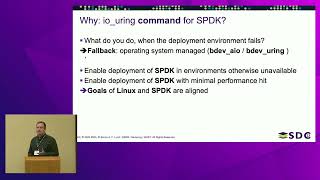
xNVMe and io_uring NVMe Passthrough: Comparing SPDK and Linux NVMe Drivers
Explore the evolution of NVMe drivers, comparing SPDK's userspace approach with Linux's io_uring and xNVMe implementations, focusing on performance benchmarks and system architecture differences.

libvfn: A Low-level NVMe Application and VFIO Driver Framework
Dive into the implementation of libvfn, an open-source library for PCIe-based NVMe devices, exploring VFIO-based user-space drivers, NVMe driver implementation, and performance optimization techniques.

Modern GPU Drivers: Shifting Responsibilities from Kernel to Firmware and Usermode
Explore modern GPU driver architecture evolution, focusing on shifting responsibilities from kernel to firmware and usermode, with insights from Panthor and PowerVR implementations.
Linux DRM Bridge: A Potential Replacement for DRM Encoders in Display Solutions
Explore the evolution of Linux DRM subsystem's display drivers, focusing on the transition from encoders to bridges and its impact on modern display solutions in the Linux kernel.
GPU Reset Recovery and Error Handling in Linux
Explore GPU reset mechanisms in Linux, understanding error propagation, device recovery challenges, and proposed improvements for handling graphics hardware failures.

Getting Freedreno Running on Android - Development Guide and Best Practices
Explore the process of porting Freedreno open-source graphics drivers to Android, covering development setup, debugging, testing, and practical implementation challenges.
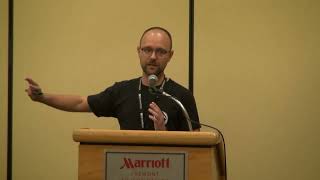
Multi Queue Linux Block Device Drivers in Rust - Building Safe Kernel Drivers
Explore the implementation of Linux block device drivers using Rust, focusing on memory safety, performance optimization, and practical applications in NVMe and null_blk drivers.
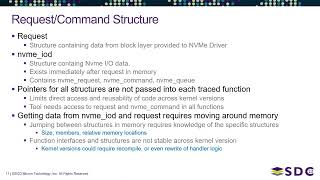
Understanding Applications Through NVMe Driver Tracing Using BPF
Discover how to leverage BPF for analyzing application-device interactions, tracing NVMe drivers, and gaining valuable insights into workload performance through practical examples and Linux system tools.
Linux Kernel Programming - Writing a Simple Character Device Driver
Learn to create a simple character-device driver and communicate with it from userspace in Linux kernel programming, enhancing your OS development skills.
Contributing a Zephyr Sensor Driver: Best Practices and Common Pitfalls
Learn best practices and avoid common pitfalls when contributing your first Zephyr sensor driver to the open source community. Gain insights into maintainer expectations.
Install Windows 11 VM on Ubuntu Linux Server - DevOps, Microsoft, Virtualization
Learn to install Windows 11 on an LXD virtual machine in Ubuntu Linux, including TPM setup, driver injection, and enabling Remote Desktop Protocol for remote access.
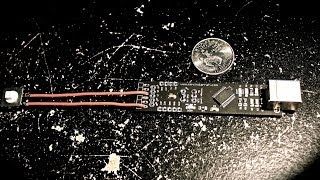
How to Use USB FTDI D2XX Drivers for Computer I/O Applications
Learn to interface computer applications with USB FTDI D2XX drivers, covering setup, programming, I/O states, and various modes for enhanced hardware communication and control.
Building a Driver for Dynamic Resource Allocation in Kubernetes - Device Plugins 2.0
Learn to build resource drivers for Dynamic Resource Allocation in Kubernetes, enabling advanced GPU management features like controlled sharing, multiple models per node, and dynamic MIG allocation.
IOMMUFD Integration in QEMU
Explore IOMMUFD integration in QEMU, covering new user API for IOMMU control, redesign challenges, backward compatibility, and impact on management layers like libvirt.

Unravelling How Firmware Interacts with the Linux Subsystem
Explore the intricate relationship between firmware and the Linux subsystem, gaining insights into their interaction and its implications for system performance and functionality.
Cameras, Devicetree and ACPI: A Device Driver Perspective
Explore integrated camera hardware, comparing USB cameras with component-based systems. Learn about firmware interfaces, device drivers, and system complexities for digital cameras.