A Gentle Introduction to Causal Inference
Explore causal inference techniques to uncover relationships in observational data, avoid misinterpretation pitfalls, and extract deeper insights beyond simple correlation calculations.
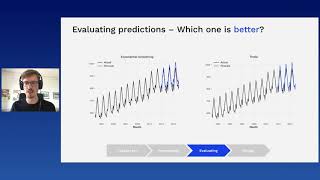
Darts - Unifying Time Series Forecasting Models from ARIMA to Deep Learning
Explore time series forecasting with Darts, a Python library unifying traditional and deep learning models. Learn best practices for preprocessing, backtesting, and achieving quick results in forecasting problems.
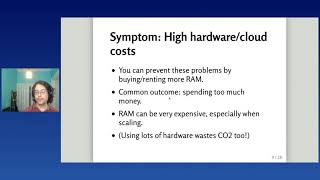
Measuring Memory - Python Memory Profilers and When to Use Them
Learn to measure and optimize Python memory usage, exploring profilers for different scenarios like web apps and data processing to prevent crashes and improve performance.
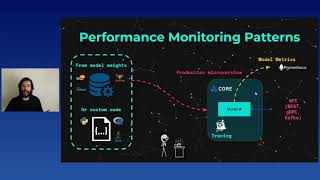
Production ML Monitoring - Outliers, Drift, Explainers & Statistical Performance
Practical deep dive into advanced ML monitoring techniques, covering outliers, drift, explainers, and statistical performance for robust production deployment and scalability.
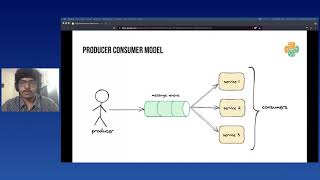
High Performance Data Processing with Python, Kafka and Elasticsearch
Explore high-performance data processing using Python, Kafka, and Elasticsearch. Learn to implement a Producer-Consumer model for real-time data updates in various applications.
Analyzing COVID Vaccine Popularity in Europe Using FastAPI, Postgres & Azure
Explore COVID vaccine data analysis using FastAPI, Postgres, and Azure. Learn to process, store, and visualize European vaccine popularity data with Python tools and cloud services.
Traveling Through a Secure API in Python
Learn to build a secure "Where Have I Been" map application using Python and Auth0, covering API endpoint creation, data protection, manipulation, and deployment.
Streamlit - The Fastest Way to Build Data Apps
Discover how to rapidly create data science apps using Streamlit, an open-source framework that simplifies development with Python scripts, eliminating the need for front-end coding.
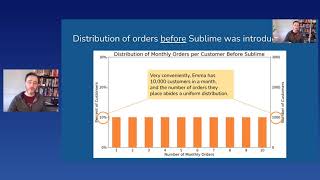
Sliding into Causal Inference, with Python
Explore causal inference tools in Python to simulate parallel realities and answer 'what if' questions. Learn about randomized experiments, differences-in-differences, propensity scores, and synthetic controls.
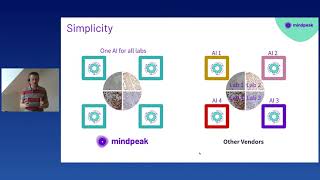
Speeding Up the Deep Learning Development Life Cycle for Cancer Diagnostics
Optimizing deep learning development for cancer diagnostics: strategies to accelerate iteration, from task prioritization to GPU parallelization, enhancing model robustness across diverse laboratory settings.
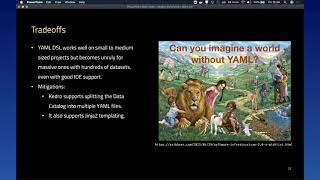
Reproducible and Deployable Data Science with Open-Source Python
Aprenda a criar código de ciência de dados escalável, reproduzível e confiável usando Kedro, Apache Airflow e Great Expectations. Descubra como combinar iteração rápida com manutenibilidade e qualidade de dados consistente.
Python & Visual Studio Code - Revolutionizing the Way You Do Data Science
Discover how Visual Studio Code, GitHub, Codespaces, and Azure ML enhance Python data science productivity. Learn about VS Code Notebooks, Data Wrangler, collaboration features, and deployment options.
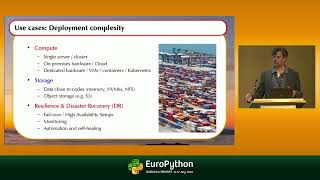
Choosing the Right Database for Your Next Project - Looking at Options Beyond PostgreSQL and MySQL
Explore diverse database options beyond PostgreSQL and MySQL, covering relational, data warehouse, analytics, and machine learning solutions to find the best fit for your Python project.
Data Warehouses Meet Data Lakes
Explore modern data architecture using PySpark, Hudi, Delta.io, and Iceberg to address datalake challenges, supporting real-time processing and enterprise-wide digital transformation.
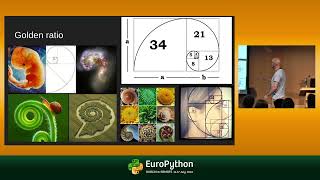
Using Python to Predict Asset Price Reversals
Learn to predict potential trend reversals in stocks and cryptocurrencies using Python, Pandas, and Plotly. Discover how to identify Fibonacci retracement levels for low-risk trade entries.
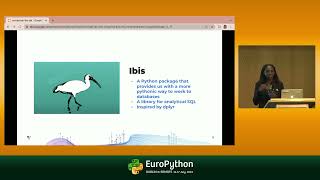
Elephants, Ibises and a More Pythonic Way to Work with Databases
Explore a Pythonic approach to database interactions using Ibis, comparing it with traditional SQL methods and showcasing its versatility across various database engines.
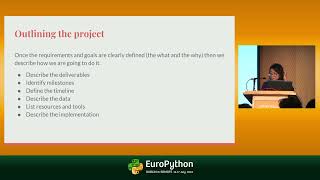
The Beginner’s Data Science Project Checklist
Aprenda dicas essenciais para projetos de ciência de dados, desde definição de requisitos até apresentação de resultados, com foco em reprodutibilidade, documentação e ferramentas Python úteis.
Predicting Urban Heat Islands in Calgary
Learn to predict urban heat islands using satellite imagery and geospatial Python libraries. Explore spatial regression methods, data processing, and visualization techniques for sustainable urban planning.
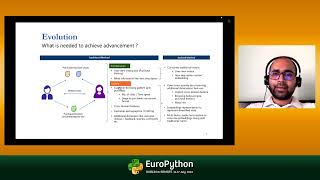
A Network Embeddings Based Recommendation Model with Multi-Factor Consideration
Explore a novel recommendation model using network embeddings and multi-factor analysis. Learn about knowledge transfer across implicit and explicit factors for improved accuracy in real-world applications.
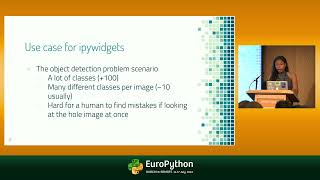
Creating Great User Interfaces on Jupyter Notebooks with Ipywidgets
Learn to create user-friendly interfaces in Jupyter Notebooks using ipywidgets, enabling data scientists to build interactive tools without extensive front-end skills or deployment concerns.
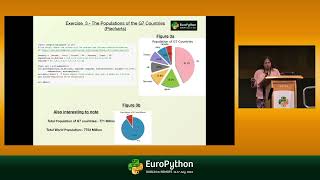
Creating the Next Generation of Billionaires - Part 4
Explore how young people use Python to analyze real-world issues like climate change and population growth, showcasing the impact of early programming education on problem-solving skills.