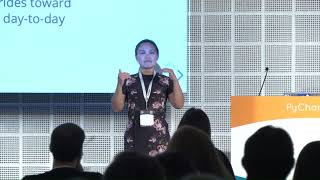
Do We Have a Diversity Problem in Python Community
Exploring gender diversity in the Python community through data analysis, examining representation at conferences, and proposing actionable steps to foster inclusivity and balance.
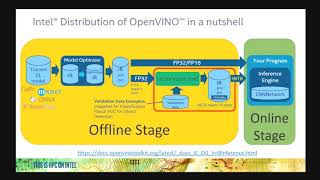
Accelerate Your Deep Learning Inferencing with the Intel DL Boost Technology
Explore Intel® DL Boost technology for efficient deep learning inference acceleration using low-precision INT8 and VNNI instructions on 2nd gen Intel Xeon Scalable processors.
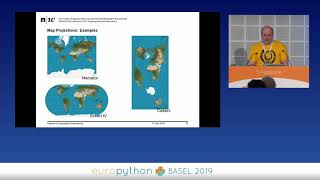
Geospatial Analysis Using Python and JupyterHub
Explore geospatial data processing and visualization using Python, covering vector and raster analysis, deep learning applications, and high-performance computing techniques for efficient spatial data handling.
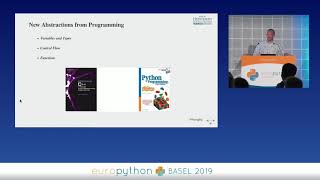
Using Python to Teach Computational Finance
Explore computational finance using Python and Probo package. Learn derivative pricing, Monte Carlo simulation, and dynamic hedging through hands-on demos and Jupyter notebooks.
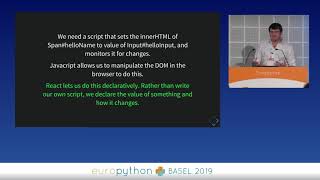
Dash - Interactive Data Visualization Web Apps with No Javascript
Learn to create interactive data visualization web apps using Dash, a Python framework that requires no JavaScript. Discover best practices, common pitfalls, and when to transition to traditional web development.
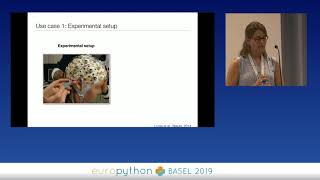
Boosting Research with Machine Learning
Explore machine learning applications in research, from neuron recognition to EEG-based movement prediction. Learn Python techniques for data preparation and analysis using various ML methods.
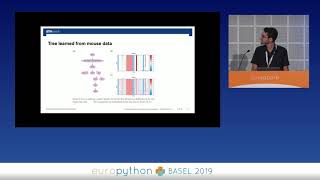
Bioinformatics Pipeline for Revealing Tumour Heterogeneity
Explore a Python-based bioinformatics pipeline for analyzing single-cell DNA sequencing data to reveal tumor heterogeneity, aiding in personalized cancer treatment decisions.
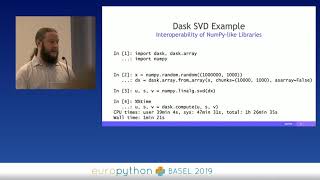
Distributed Multi-GPU Computing with Dask, CuPy and RAPIDS
Explore distributed multi-GPU computing using Dask, CuPy, and RAPIDS. Learn to leverage GPU acceleration and distributed systems for faster, more efficient data processing and analysis.
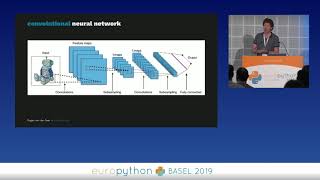
How to Train an Image Classifier Using PyTorch
Learn to build an image classifier using PyTorch in this hands-on tutorial. Covers data preparation, model selection, training techniques, and evaluation, with practical tips and code examples for immediate implementation.
Extracting Tabular Data from PDFs with Camelot and Excalibur
Learn to extract tabular data from PDFs using open-source Python tools Camelot and Excalibur. Discover installation, usage, and automation techniques for efficient data extraction and processing.

Supercharge Your Deep Learning Algorithms with Optimized Software
Optimize deep learning algorithms on Intel architecture using Intel® MKL for training and Intel® nGraph and OpenVINO™ for inferencing, enhancing runtime performance.

Modern Data Science with Vaex - A New Approach to DataFrames and Pipelines
Explore efficient data processing for large datasets using Vaex, combining computational graphs and lazy evaluations with memory-mapped storage and out-of-core algorithms.
TensorFlow 2.0 - TensorFlow Strikes Back
Explore TensorFlow 2.0's new features, including Keras API, eager execution, and improved production pipeline, enhancing usability while maintaining performance and scalability.
When a Biologist Met Python
Explore the intersection of biology and Python, discovering how computational tools enhance biological research and improve scientific workflows.
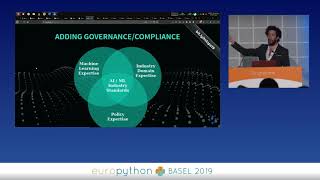
The State of Machine Learning Operations in 2019
Overview of key challenges and trends in machine learning productization, covering reproducibility, explainability, and orchestration. Includes insights on open-source tools and frameworks for tackling these issues in ML operations.
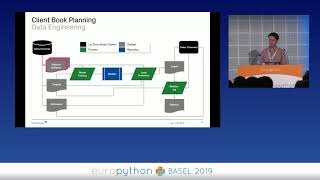
Building Data-Driven Client Relationship Management in Banking with Python
Transforming banking sales with Python: data-driven client management, machine learning pipelines, and automated processes for improved efficiency and personalized service.
When a Biologist Met Python
Explore the intersection of biology and Python, discovering how this programming language revolutionizes research in computational biology and bioinformatics through various modules and tools.
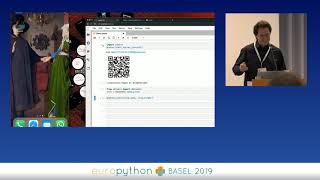
PlotVR - Walk Through Your Data
Explore 3D data visualization with PlotVR, enabling immersive VR and AR experiences. Navigate scatter plots using your phone and computer keyboard for a unique perspective on your datasets.
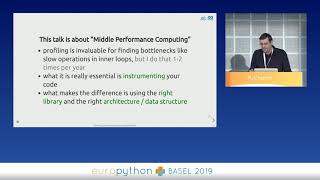
Tips for the Scientific Programmer
Practical insights for efficient scientific programming, covering parallelism, data management, memory optimization, and performance enhancement for large-scale numeric calculations.
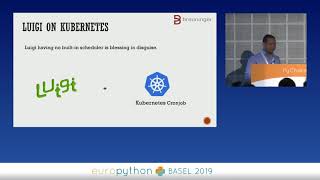
Building Data Workflows with Luigi and Kubernetes
Learn to build complex data pipelines using Luigi, package them as Docker images, and deploy on Kubernetes for scalable Big Data workflows with on-demand scaling and cost reduction.
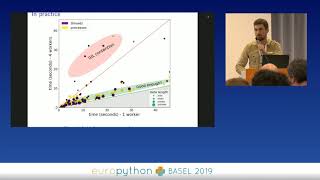
Parallel Computing in Python - Current State and Recent Advances
Explore Python's parallel computing landscape, from low-level interfaces to high-level libraries, and learn about recent advances in shared memory management and object serialization.