
Python Sentiment Analysis Project with NLTK and Transformers - Classify Amazon Reviews
Learn to classify Amazon review sentiment using NLTK's VADER and Huggingface's RoBERTa models in Python. Compare results and gain practical NLP skills for language modeling and data science.
Image Processing with OpenCV and Python
Learn image processing in Python using matplotlib and OpenCV. Covers reading, manipulating, and saving images, with practical examples for computer vision and data science applications.
Complete Data Science Project
Explore Wordle tweet data through comprehensive EDA using Python, pandas, and matplotlib. Learn data wrangling, visualization techniques, and gain insights from a Kaggle Grandmaster's analysis.

Jupyter Notebook Complete Beginner Guide - From Jupyter to Jupyterlab, Google Colab and Kaggle
Comprehensive guide to Jupyter environments: from basic notebooks to JupyterLab, Google Colab, and Kaggle. Learn setup, features, and shortcuts for efficient data science workflows.
Kaggle Competition Starter Notebook Walkthrough
Learn to create a starter notebook for a Kaggle competition, covering feature engineering, cross-validation, and LightGBM modeling. Gain practical insights from a Kaggle Grandmaster on predictive modeling and Python coding.

Solving Real-World Data Science Interview Questions with Python Pandas
Tackle real-world data science interview questions using Python Pandas. Progress from easy to hard coding problems, then explore non-coding questions to enhance high-level thinking skills.
Solving Real World Data Science Tasks With Python Pandas
Analyze real-world sales data using Python Pandas and Matplotlib. Learn data cleaning, exploration, and visualization techniques to answer key business questions and gain valuable insights.

Python Tutorial for Absolute Beginners - What Are Variables?
Beginner-friendly introduction to Python variables using Jupyter Notebook. Learn basic concepts, installation, and practice with a hands-on problem-solving approach.

Does Instagram Think You Live in an Influential City? - A Deep Dive Into Web Data
Explore Instagram's city influence using a 40GB dataset. Learn data cleaning, ML algorithms, visualization, and dashboard creation for impactful business insights.
R for Data Scientists and Data Analysts
Master essential R skills for data analysis and science, covering variables, vectors, functions, and control structures in a comprehensive tutorial.
The Google Guide to Exploratory Data Analysis - With Code
Learn to apply Google's Exploratory Data Analysis guide using productivity data, covering data cleaning, visualization, and statistical techniques for insightful analysis and feature selection.
Beginner's Excel Tutorial - Data Science-Analysis and Beyond
Learn essential Excel skills for data analysis, including functions, lookups, formatting, and advanced features like pivot tables and macros. Gain practical knowledge for data-driven decision-making.
Exploratory Data Analysis
Learn techniques for extracting meaningful insights from new datasets through hands-on exploratory data analysis, covering data import, filtering, visualization, and advanced manipulation methods.
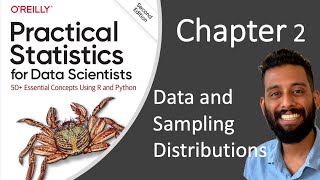
Practical Statistics for Data Scientists - Data and Sampling Distributions
Explore data and sampling distributions in statistics for data science, covering random sampling, bias, regression, and key statistical concepts with practical examples.
Data Analyst Setup for Productivity - Python, R, SQL
Explore a data analyst's productivity setup, including Miniconda, Python environments, VSCode, R Studio, and essential hardware recommendations for efficient data analysis workflows.
Day in the Life of a Data Analyst - Bing Maps API
Explore a real-world data analysis task using Python and Bing Maps API to gather school location data, showcasing workflow structure and geospatial analysis techniques.
Leveraging Innovation to Improve the Identification of Patients with Hereditary Cancer
Explore innovative techniques in hereditary cancer detection, including RNA genetic testing and AI-powered risk assessment, to improve diagnostic yield and patient identification for genetic counseling.

Bioinformatics and Computational Terminology for the Clinic - Webinar - Ambry Genetics
Demystifying bioinformatics concepts in genetic testing reports, focusing on key terminology and underlying details for NGS panel and exome-sequencing tests to enhance clinicians' understanding and interpretation.

Approaches to Classification of Variants in TP53 and Other Hereditary Cancer Genes - Ambry Genetics
Overview of variant classification methods in hereditary cancer genes, focusing on TP53. Compares ACMG codes with quantitative models, providing examples of evidence calibration and data mining for gene-specific classification.

Deploying the Global Environmental Surveillance Network
Explore the development of a global sensor network for air quality and radiation monitoring, including hardware design, data collection, and real-world applications.
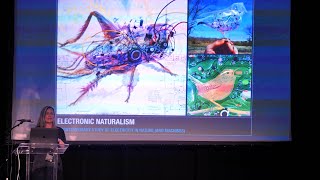
Hacking Nature’s Musicians - The Art of Electronic Naturalism
Explore the intersection of art and technology through electronic naturalism, mimicking animal sounds with analog circuits and blurring the line between living organisms and electronic devices.