In Memory Computing - The Big Picture
Explore in-memory computing's transformative potential for data processing, real-time analytics, and high-performance applications with expert insights and practical examples.
Data Processing With Microservices
Explore applying microservice concepts to batch and integration workloads using Spring Cloud Stream and Spring Cloud Task, with orchestration via Spring Cloud DataFlow for enhanced data processing applications.
Batch Processing in Action
Explore Spring Batch's architecture, templates, and power through live coding examples. Learn to efficiently handle large-scale data processing tasks in enterprise environments.
Thoughts about Layered Architecture - Mapping Efficiently with SQL
Explore efficient data mapping in layered architecture using Spring Data Projections. Learn to optimize code, improve maintainability, and leverage database capabilities for data transformation.
Data - The Land DevOps Forgot
Explore data mesh: a decentralized approach to data processing that applies product thinking to internal data products, promising to address challenges in analytics and microservices.

Console.log - Brain
Explore brain-computer interfaces with JavaScript, from signal processing to neural networks. Live demo showcases EEG headset integration, Electron, Node.js, and Vue.js for mind-controlled interactions.
Wrangling the World's Biggest Data Set
Explore challenges and solutions in analyzing social media data for business insights, including noise reduction, volume management, and privacy considerations.
Data Tools and the Data Scientist Shortage
Explore data science challenges, tools, and innovations with Pandas creator Wes McKinney. Gain insights on the skills shortage, education trends, and future developments in this evolving field.
Enterprise and Industrial AI - The Great Threat of Complacency
Explore the urgent need for businesses to embrace AI and IoT, combat complacency, and drive digital transformation to stay competitive in rapidly evolving markets.
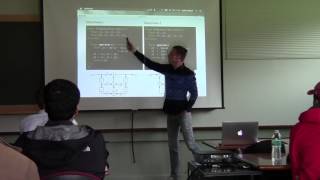
Flowz - Towards an EDSL for Digital Signal Processing
Declarative and composable digital signal processing library for efficient code generation and seamless C++ integration, inspired by Faust language and flownomials algebra.
Small Big Data - Using NumPy and Pandas When Your Data Doesn't Fit in Memory
Techniques for processing data too big for memory but too small for Big Data clusters, using NumPy and Pandas: compression, batching, and indexing for efficient data handling.
Easy Data Processing With Azure Fun
Learn to process data efficiently using Azure Functions and Python, exploring serverless computing, best practices, and practical use cases for scalable cloud applications.
Deploying Python at Scale with Dask
Explore scaling Python with Dask on distributed systems, focusing on deployment challenges and solutions for cluster resource managers like Kubernetes, Yarn, and cloud platforms.
Hacking Dask - Diving Into Dask's Internals
Explore advanced Dask features: task graph optimization, plugins, cluster inspection. Gain deeper understanding of internals and apply to data-intensive workloads.
No, Maybe and Close Enough - Using Probabilistic Data Structures in Python
Explore probabilistic data structures in Python for efficient counting and item recognition, focusing on Hyperloglog and Bloom Filter algorithms for fast, scalable solutions.
Large Scale Data Validation - with Spark and Dask
Explore data validation techniques for large-scale datasets using Spark and Dask. Learn to transition from single-machine to distributed computing, combining frameworks for efficient validation across partitions.
Creating Extensible Workflows with Off-Label Use of Python
Discover how to create flexible yet constrained workflow systems using Python's type annotations, coroutines, and dataclasses for extensible APIs in data processing, ETL, CI/CD, and more.
Patterns of ML Models in Production
Explore ML model deployment patterns for production, covering online serving, offline processing, and scalable frameworks like Ray Serve, with insights from 100+ user interviews.
Data Processing on Ray
Explore Ray's architectural changes for scaling Python applications in machine learning and data processing, addressing challenges in large-scale workloads.
Comparing the Different Ways to Scale Python and Pandas Code
Explore scaling Python and Pandas code with Fugue, a unified interface for distributed computing. Learn to execute functions across Pandas, Spark, and Dask for efficient data workflows.
Pythonic Functional - Itertools for Your Data Challenges
Explore Python's functional programming capabilities for data challenges, focusing on itertools, functools, and map-reduce patterns through interactive Advent of Code puzzles.