SQL Server Replication - Data Architecture
Explore log-based Change Data Capture for SQL Server replication, covering file system-level CDC, DDL propagation, and type/version support for high-volume environments.
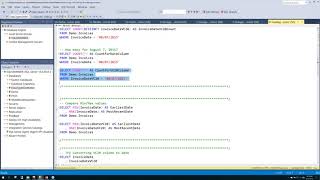
Data Types Do Matter
Explore the critical importance of selecting appropriate data types for optimal data quality, storage, performance, and query accuracy in database management.
Designing Azure Data Disaster Recovery Strategies
Explore strategies to protect Azure data from regional outages, covering SQL Databases, VMs, and Managed Instances. Learn to meet recovery objectives and safeguard your cloud-based applications.

Relational Data Modeling Trends for Transactional Applications
Explore modern data modeling trends for transactional applications, addressing challenges in NoSQL, microservices, and cloud environments. Learn to adapt traditional principles to meet current business demands and facilitate rapid changes.
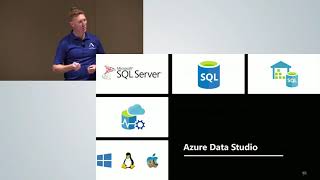
Azure Data Studio - The New Frontier
Explore Azure Data Studio's features for managing data platforms, including dashboards, snippets, profiling, charting, and more. Learn when to use it over SQL Server Management Studio.
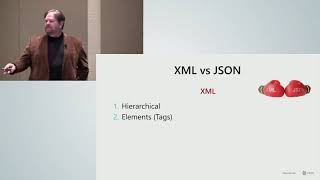
JSON for the Data Mortals
Explore JSON in databases: learn its origins, investigate, manipulate, and validate JSON data using Microsoft SQL Server tools and example code.

Head to Head - SSIS Versus Azure Data Factory
Comparative analysis of SSIS and Azure Data Factory, exploring strengths, weaknesses, and real-world applications for data movement and transformation in SQL Server environments.
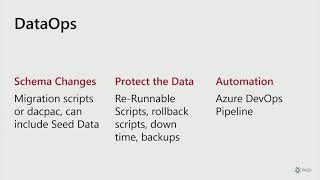
DataOps - Deploy SQL Server Databases Using Azure Pipelines
Learn to automate SQL Server database deployments using Azure Pipelines and Visual Studio Database Projects. Covers creating projects, manual deployments, and setting up automated pipelines with secure credential management.
Take Me to the Multiple Clouds Above Seattle
Explore multi-cloud strategies, benefits, and challenges. Learn from experienced architects about best practices, data integration, and migration in cherry-picking cloud services for optimal data platform design.
Accelerate Migrations of Legacy SQL Server and SSIS with Azure Data Factory
Streamline SQL Server and SSIS migration to Azure using ADF. Learn to provision SSIS-IR, run SSIS packages in ADF pipelines, and leverage DMA and DMS for efficient batch migrations.
Innovative Data Modeling for Cool Data Warehouses
Explore agile data warehouse modeling techniques beyond traditional norms. Learn to build flexible, auditable solutions adaptable to various industries, leveraging MDM and Azure for enhanced performance and data integration.
SQL PowerShell 2019 - The Lingua Franca for the Data Platform
Explore PowerShell's versatility in managing diverse data platforms, from Excel to Azure SQL. Learn object-based data handling, code documentation, and sharing through PowerShell Notebooks for seamless integration across Microsoft data products.
Azure Machine Learning 101
Explore Azure ML's no-code approach to machine learning, from data preparation to model deployment, suitable for both beginners and experienced data scientists.
Ingesting and Managing Petabytes of Data with Azure Data Factory
Explore improvements in Azure Data Factory for simplified data integration and management, including code-free ETL/ELT and comprehensive data overview, empowering enterprises to handle petabytes of data for valuable insights.
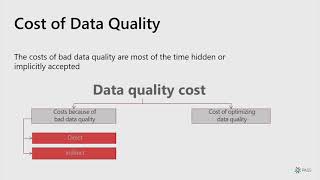
Data Quality Round-trip in the MS Dataplatform
Explore comprehensive data quality solutions using Microsoft's Data Platform, including Machine Learning, Azure Data Factory, and SQL Server 2019, to address and resolve data quality challenges.
Turbocharge Your SQL Server with In-Memory Database
Discover how to leverage SQL Server 2019's memory-optimized technologies to enhance performance and scalability, taking advantage of modern hardware innovations for database applications.

Never Lose Data - Digging Out From Corruption
Learn essential recovery techniques to prepare for, detect, and repair various corruption-based problems in databases, ensuring data integrity and minimizing disruptions in your enterprise.
MDS from the Ground Up - Let Your Users Maintain Their Data
Master Data Services (MDS) empowers users to manage data quality and governance. Learn how MDS integrates with Excel, enforces data standards, and streamlines operational and analytical solutions.
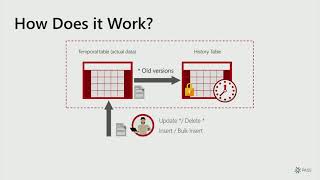
Everything You Wanted to Know About Implementing Temporal Tables
Discover SQL Server's Temporal Tables: automate data history tracking, simplify time-based analysis, and explore new querying syntax for efficient data management and auditing.
Back Up and Restore a SQL Server Database If You're Not a DBA
Learn essential database backup and restore techniques, including data files, recovery models, and automation, to safeguard your SQL Server data and prevent job-loss scenarios during disasters.

Accelerating the Migration of Legacy SSIS with Azure Data Factory
Explore new features for migrating legacy SSIS to Azure Data Factory, including Azure-SSIS Integration Runtime, Azure Files integration, and batch assessments using Data Migration Assistant.