SciCLOps - Databricks Quick Start for Machine Learning with DABs
Discover how SciCLOps, powered by Databricks Asset Bundles, streamlines ML workflows, enhances standardization, and accelerates onboarding and production time for data teams across engineering, science, and analytics.
Seamless Flow: Evolving From Batch to Streaming Data Flows Using DLT
Explore how 84.51° leverages Delta Live Tables to evolve data flows from batch to streaming, combining real-time and historical data for enhanced retail insights and customer-centric strategies.
Data Productivity at Scale - Improving Data Pipeline Development with SQLMesh
Explore SQLMesh, an open-source project revolutionizing data pipeline development with virtual environments, automatic contracts, and accurate change previews for improved efficiency and reliability.
Implementing the Lakehouse - From BI to AI in Banking
Discover how ABN AMRO built a unified data and AI platform using Databricks, enabling scalable data engineering and AI while ensuring regulatory compliance in banking.
What's Wrong with the Medallion Architecture? - Analyzing Data Curation Stages in Lakehouses
Explore data curation stages in lakehouses, analyzing schema evolution, cleansing, validation, and modeling techniques. Learn practical insights for designing optimal data platforms.

Improve Your ML Projects - Embrace Reproducibility and Production Readiness with Kedro
Learn to enhance ML project efficiency using Kedro framework, focusing on reproducibility, flexibility, and production readiness. Gain hands-on Python experience for seamless integration.

Testing Data Pipelines - Techniques for Ensuring Data Flow Integrity
Explore effective techniques for testing data pipelines, ensuring smooth data flow and quick problem resolution. Learn about unit, integration, and end-to-end tests, plus unique methods like data snapshot testing.
Building High Performance Real-time Stream Processing Microservices - GeeCON 2023
Discover best practices for real-time stream processing, addressing challenges and optimizing projects for scalability, performance, failover, reliability, and data recovery using the Hazelcast platform.

Amazing Features from PostgreSQL
Discover PostgreSQL's powerful features to simplify complex database problems, explore useful SQL tricks, and learn about various PostgreSQL distributions for on-premises and cloud deployments.
Databricks Workflows: Practical How-Tos and Demos
Explore Databricks Workflows for efficient data pipeline orchestration. Learn best practices, serverless jobs, job repair, notifications, event-driven integrations, and effective triggers for optimized data intelligence.
Inside The Hybrid Data Strategy Powering Atlassian's Soaring Growth
Atlassian's hybrid data strategy combines Databricks and ActionIQ, enabling faster marketing execution, higher-converting audiences, and complex use cases like omnichannel journeys and personalization without sacrificing governance.
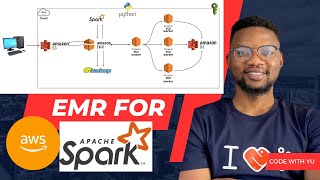
Apache Spark Processing with AWS EMR - Data Engineering Project
Master AWS EMR for data processing: set up, submit Spark jobs, visualize on Hadoop UI, and leverage cloud computing for efficient big data handling.

End-to-End Modern Data Engineering with DBT and BigQuery
Master modern data engineering with DBT and BigQuery. Set up, link, transform data, convert tables to views, seed data, write tests, and generate documentation in this comprehensive tutorial.
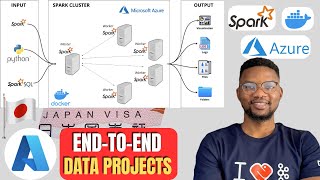
End-to-End Data Engineering on Azure Spark Cluster: Japan Visa Analysis
Set up Spark master-worker architecture in Docker on Azure, process and visualize Japan visa data using PySpark and Plotly. Clean, transform, and gain insights into visa trends through interactive data analysis.
One Dataset and Three Use Cases with Microsoft Fabric
Leverage World Bank Open Data with Microsoft Fabric using various methods, model data, and create stunning reports in this demo-filled session on end-to-end solutions.
Petabyte-Scale Data Migrations to Google Cloud - Best Practices and Case Study
Migrate petabyte-scale data pipelines to Google Cloud, optimizing performance and reducing costs. Learn from Globo's experience in handling massive concurrent users for major events.
Next-Gen Data Modeling, Integrity, and Governance with YODA - Insights from Yotpo and ZipRecruiter
Explore next-gen data modeling strategies for large-scale systems. Learn about YODA, an internal tool combining developer experience, DBT, Databricks, and more, to address data standardization and governance challenges.
Real-Time Data Transformation and Analytics with dbt Labs
Explore real-time data transformation and analytics with dbt Labs. Learn about Modern Data Stack, streaming analytics, and best practices for building efficient data pipelines and democratizing data access.

The Future of Streaming Data - Challenges and Opportunities
Explore the future of streaming data, focusing on managing complex data connections, adopting Kafka internally, and addressing challenges in data governance, security, and movement across organizations.

Git for Data: Managing Data like Code with lakeFS
Explore lakeFS, an open-source tool transforming object storage into Git-like repositories for data version control. Learn its benefits for data management, reproducibility, and reprocessing in various industries.
Accelerate Insights with Natural Language-Driven Analytics in BigQuery
Explore BigQuery's new natural language-driven analytics experience for faster data-to-insights journey across discovery, processing, querying, and visualization.