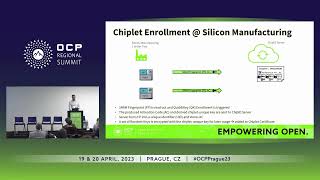
Securing System-in-Packages with Physical Unclonable Functions (PUF) Technology
Discover how Physical Unclonable Functions (PUF) technology enhances security in System-in-Package designs, providing robust protection against hardware-based attacks and counterfeiting.
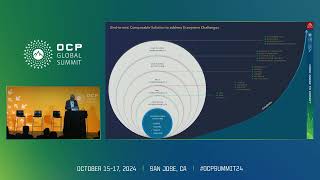
Modular Firmware for Modern Data Centers: A Collaborative Approach to Scalability and Security
Discover how modular open-source firmware frameworks drive innovation in data centers through scalable, secure solutions and industry collaborations for next-generation computing architectures.
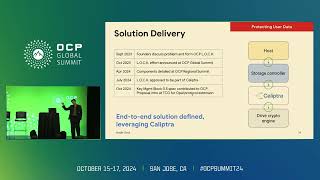
Open Ecosystems in the Era of AI - Building Collaborative Infrastructure for Machine Learning
Explore how Google navigates AI infrastructure challenges through collaborative approaches to power delivery, cooling, security, and sustainability in modern computing ecosystems.
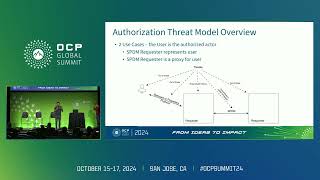
SPDM Authorization Specification - A Standardized Framework for Protected Actions
Discover how SPDM Authorization Specification enables secure endpoint authorization through standardized frameworks, credential provisioning, and threat modeling for protected actions.
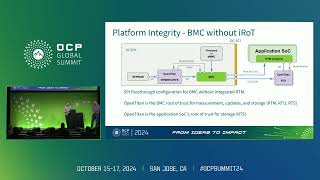
OpenTitan: Open-Source Hardware Root of Trust - Project Update
Discover the latest developments in OpenTitan's open-source hardware root of trust, including its architecture, security features, and applications for firmware protection and secret storage.
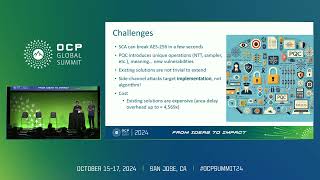
Side Channel Countermeasures for the Adams Bridge PQC Accelerator
Discover how to implement robust security measures against side-channel attacks in PQC algorithms, focusing on the Adams Bridge accelerator's protection strategies and integration with Caliptra.
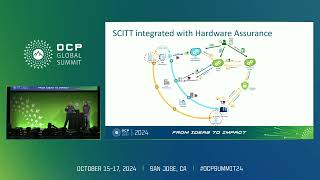
Device to Cloud Supply Chain Provenance: End-to-End Security and Attestation
Explore end-to-end supply chain security, from identity management to attestation frameworks, focusing on Caliptra's role in establishing trust from device to cloud computing environments.
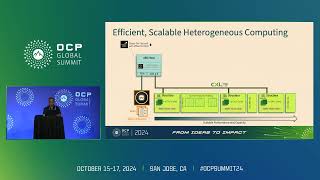
Memory Wall Mitigation and Acceleration of AI Workloads Using CXL Near Memory Computing
Explore CXL-based Near Memory Compute architectures for hyperscale environments, focusing on acceleration solutions for data-intensive workloads and memory optimization techniques.
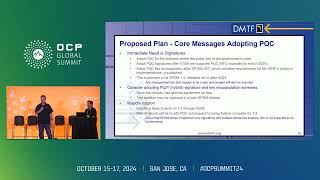
Post-Quantum Cryptography Solutions for Security Protocol and Data Model
Explore post-quantum cryptography implementation in SPDM, including roadmap, specification changes, and industry-ready solutions for enhanced security planning and deployment.

Understanding JWT: Implementation and Security Best Practices in Python
Discover how to implement and secure JSON Web Tokens (JWT) in Python applications, covering validation techniques, authorization purposes, and best practices for safer implementation.

How Dependabot Applies Advisory Databases to Python
Discover how GitHub's Dependabot leverages advisory databases to enhance Python security, including community collaboration and automated vulnerability detection processes.
CAST-Based Analysis for Software Incident Investigations and Retrospectives
Discover how to conduct effective incident investigations using CAST methodology, focusing on software reliability engineering and systematic analysis of system failures.

7 Common Computing Urban Myths Debunked
Debunk common misconceptions about computing technologies, from Windows and Google Docs to USB-C and RAID, with evidence-based explanations and expert insights.
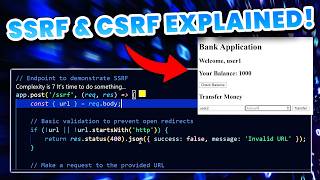
Understanding CSRF and SSRF Web Security Vulnerabilities - Demo and Examples
Explore CSRF and SSRF web security vulnerabilities through practical demonstrations, understanding attack mechanisms, key differences, and essential prevention strategies for robust application security.
Fast, Correct, Secure - Building Reliable and Secure Software with Bazel
Explore advanced Bazel features for building secure, fast, and correct software at scale, including SBOM generation, audit trails, and achieving SLSA compliance in development pipelines.

Perfect Sandboxing in Bazel - Enforcing Host Filesystem Dependencies
Discover how to achieve perfect sandboxing in Bazel by encoding and enforcing host filesystem dependencies, with practical insights from migrating a 20-year-old codebase and implementing enhanced dependency management.
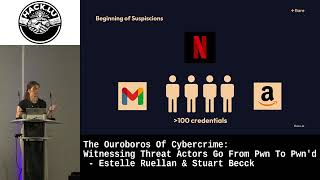
The Ouroboros of Cybercrime - From Pwn to Pwned
Explore the cyclical nature of cybercrime as threat actors transition from attackers to victims, examining real-world cases and evolving cybersecurity dynamics.
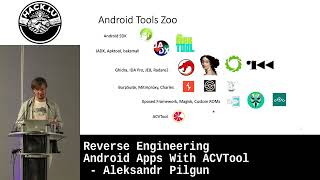
Reverse Engineering Android Apps With ACVTool
Discover how to effectively reverse engineer Android applications using ACVTool, exploring advanced techniques for app analysis and security assessment.
Wizard Spider: Analysis of Criminal Infrastructure and Threat Group Partnerships
Delve into the uncovered infrastructure and partnerships of Wizard Spider, revealing operational details and connections between major cybercrime groups through OPSEC analysis.
Discord as Malware Infrastructure - Emerging Threats and Attack Trends
Explore how cybercriminals leverage Discord as malware infrastructure and discover emerging threats targeting hackers, with insights into Turkish threat actors' tactics.
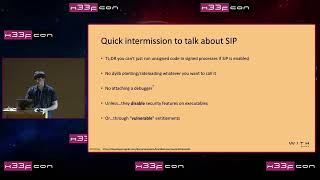
Hunting for macOS Application Logic Bugs - Local Privilege Escalation Vulnerabilities
Discover critical macOS security vulnerabilities and privilege escalation bugs affecting major software products, with practical exploitation techniques and defensive strategies for improved visibility.