
Validating Kubernetes Webhook Controllers - A Framework for Testing and Monitoring
Discover how to validate Kubernetes webhook controllers using Lula, enabling systematic testing and monitoring of critical security functions in evolving cluster environments.
Trojan Model Hubs: Hacking the ML Supply Chain and Defending Against Model Serialization Attacks
Discover essential strategies for protecting ML systems from supply chain attacks, focusing on model scanning and cryptographic signing to defend against Model Serialization Attacks in public model hubs.

Solving Air-Gap Problems the Cloud Native Way with Zarf
Discover how to streamline Kubernetes deployments in air-gapped environments using Zarf, enabling efficient packaging and deployment of workloads while maintaining supply chain visibility through automated SBOM creation.
Meeting the OpenSSF Security Baseline with Minder
Discover how Minder platform helps monitor and ensure OpenSSF Security Baseline compliance across repositories, with practical demonstrations of automated security posture management.
ClearlyDefined: A Crowdsourced Database of Licensing Metadata for Supply Chain Compliance
Discover how ClearlyDefined simplifies software licensing compliance through its crowdsourced database, API integration, and automated metadata management for efficient supply chain security.
Secure AI Orchestration: Mitigating Model-centric Attacks with Flyte
Discover how to protect AI systems from model-centric attacks, focusing on code injection and LLM vulnerabilities, while implementing security measures using Flyte orchestration and open-source tools.

From Cosign to an Ecosystem - The Evolution of Sigstore
Explore the evolution of Sigstore's software security ecosystem, from its core components to advanced integrations for package managers, CI workflows, and policy enforcement tools.
Phantom Dependencies in AI and ML Projects - Managing Hidden Software Dependencies
Discover how phantom dependencies impact AI/ML projects and learn effective strategies for identifying, managing, and securing these hidden software dependencies in your applications.
The Current State of Software Bill of Materials (SBOMs) for End Users
Explore the challenges and opportunities of Software Bill of Materials (SBOMs), examining current implementation issues, regulatory requirements, and emerging solutions through OpenSSF projects like Protobom and bomctl.
End-to-End Secure Machine Learning Development - Building a Secure AI Supply Chain
Discover essential security practices for AI development, from dataset handling to production deployment, focusing on supply chain security, model provenance, and risk mitigation in machine learning applications.
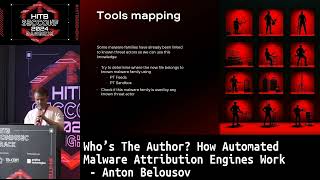
Automated Malware Attribution Engines - Understanding Cybercriminal Group Detection
Discover how automated malware attribution engines analyze and classify cyber threats by comparing code, tactics, and infrastructure patterns to identify cybercriminal groups and predict future attacks.
Design and Development of a Multi-Tenant SIEM Using Security Onion
Discover how to design and implement multi-tenant capabilities in Security Onion SIEM, enabling efficient management of multiple organizations while maintaining secure access control and streamlined alert monitoring.
BadUSB Attacks on MacOS - Beyond Using Terminal and Shell Commands
Discover advanced BadUSB attack techniques for MacOS, leveraging Apple-signed LOLBINs and native scripting languages to execute stealthy code without terminal commands.
Exploring Security Vulnerabilities in Flutter Mobile Applications
Discover critical security vulnerabilities in Flutter apps through reverse engineering techniques, focusing on hardcoded credentials and using tools like B(l)utter to analyze and protect mobile applications.
Powering the Global Digital Identity Revolution
Discover how digital identity is evolving globally through OpenWallet Foundation's innovative approach to creating secure, interoperable digital credential solutions for the future.
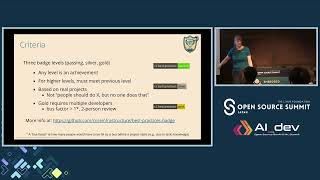
Lessons Learned on Following Security Best Practices in Zephyr
Discover how the Zephyr project implemented security best practices in IoT, including CVE management, PSIRT team formation, and vulnerability handling over 8 years of open-source development.
Automated Vulnerability Patching with Copa
Discover how Copa automates container vulnerability patching, enabling swift OS-level remediation without upstream rebuilds while streamlining security workflows for DevSecOps teams.
Secure Code, Safe Future: Mastering Security in Critical Software Development
Discover practical secure coding techniques and strategies for developing robust software, including vulnerability management, SBOM implementation, and hands-on security practices for critical infrastructure projects.
Securing the Unseen: Defending Against Open Source Software Supply Chain Attacks
Discover practical strategies to protect applications from supply chain attacks targeting open source dependencies, with real examples and actionable defense measures.

How to Scale Security without Sacrificing Safety
Discover effective strategies for scaling security operations while maintaining robust safety measures and protection protocols in cloud environments.

New Asymmetric Crypto Algorithm in DPDK - EdDSA
Discover how EdDSA enhances data security through fast, deterministic signatures and learn its implementation in DPDK for accelerated TLS 1.3 session management and improved cryptographic operations.