Bitcoin - Putting the "Pseudo" Back in Pseudonymous
Explore Bitcoin's pseudonymity vulnerabilities and learn techniques to link multiple addresses to a single user, potentially uncovering real identities using public information sources.
Two Years of Montrehack - The Local CTF Training Initiative
Discover Montréhack, a local CTF training initiative: its origins, operations, and future plans. Learn valuable lessons, tools, and techniques applicable to various cybersecurity challenges.
The Sednit Group, Cyber Espionage in Eastern Europe
Explore the Sednit group's cyber espionage tools, recent campaigns, and exploitation techniques targeting Eastern Europe, with a focus on Ukraine-related topics and custom exploit-kits.

CTF or WTF?
Compara desafíos CTF con pruebas de penetración reales, explorando similitudes y diferencias en habilidades, escenarios y lecciones aprendidas para profesionales de ciberseguridad.

Blurred Lines - The Mixing of APTs with Crimeware Groups
Exploring the blurred lines between state-sponsored actors, APT groups, and crimeware gangs, challenging traditional classifications and discussing the emergence of second-tier APT categories.

Hacking K-12 School Software in a Time of Remote Learning
Análisis de vulnerabilidades en software educativo durante la pandemia, explorando ataques potenciales y sus implicaciones para la seguridad de dispositivos escolares y domésticos.
CrimeOps of the KashmirBlack Botnet
Detailed analysis of KashmirBlack botnet's infrastructure, operation, and evolution. Explores its infection methods, global impact, and adaptability. Highlights the importance of CMS security and cyber hygiene in the digital age.
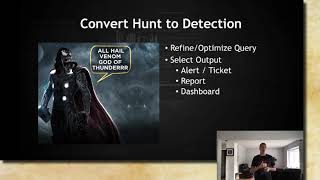
Full Circle Detection - From Hunting to Actionable Detection
Comprehensive guide to creating efficient detection rules, from initial hunting ideas to actionable alerts for security analysts, using a real-world example of an Outlook persistence technique.
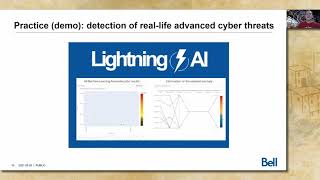
Data Science Way to Deal With Advanced Threats
Explore data science methods for advanced threat detection in SOCs, combining unsupervised and supervised learning to reduce false positives and streamline anomaly triage using ML and interactive visualizations.
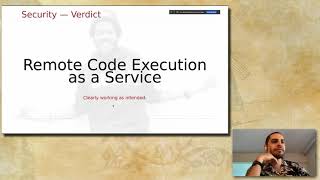
dRuby Security Internals
Comprehensive analysis of dRuby's security vulnerabilities, exploring its API, internals, and wire protocol. Demonstrates novel exploitation techniques and discusses efforts to harden dRuby against identified issues.

How to Harden Your Electron App
Learn techniques to enhance security in Electron apps, focusing on threat modeling, separation of concerns, and best practices. Discover insights from building a secure password manager using this framework.
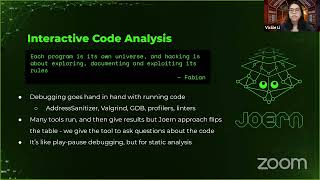
DIY Static Code Analyzer - Building Your Own Security Tools with Joern
Learn to build custom security tools using Joern for static code analysis, enhancing your ability to detect vulnerabilities and improve software security.

Introduction to Fuzzing
Explore the fundamentals of fuzzing, a powerful software testing technique, in this comprehensive workshop led by expert Dhiraj Mishra.
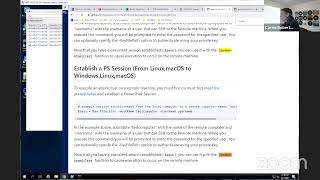
Atomic Red Team Hands-on Getting Started Guide
Hands-on guide for implementing Atomic Red Team, covering setup, execution, and best practices for effective cybersecurity testing and threat emulation.

Reversing Android Malware for the Smart and Lazy
Learn efficient techniques for analyzing Android malware, focusing on smart and time-saving approaches to reverse engineering and threat assessment.

Reversing Android Malware for the Smart and Lazy
Learn efficient techniques for analyzing Android malware, focusing on smart and time-saving approaches to reverse engineering and threat assessment.
Look! There's a Threat Model in My DevSecOps
Discover a fast-paced, backlog-based approach to threat modeling in DevSecOps environments without slowing development or requiring additional tools. Learn to implement effective security practices efficiently.

Path to Software-Defined Cryptography via Multi-Party Computation
Exploring software-defined cryptography through multi-party computation, addressing enterprise key management challenges and enabling innovation in data protection and privacy.
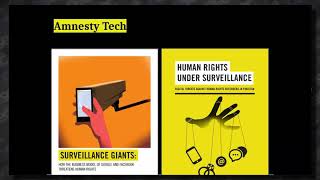
Defending Human Rights in the Age of Targeted Attacks
Exploring targeted attacks on human rights defenders, evolving threats, and Amnesty International's response strategies. Insights on digital surveillance and tools for protecting vulnerable activists.

Practical Security in the Brave New Kubernetes World
Explore Kubernetes security vulnerabilities through hands-on recon and exploitation of clusters, sidecars, and supporting infrastructure. Learn practical techniques for compromising and persisting in real-world K8s environments.
AMITT - Adversarial Misinformation Playbooks
Exploring AMITT framework for detecting and countering disinformation, using InfoSec tools to develop operational playbooks and strategies for addressing influence operations at scale.