Blockchain-based Security Framework for Cyber Physical Systems
Explore a blockchain-based security framework for cyber-physical systems, addressing challenges in centralized control, data management, and privacy protection in smart city infrastructures.
The Renaissance of Cyber Physical Offensive Capabilities
Explore the resurgence of cyber-physical offensive capabilities and their implications for modern security landscapes in this insightful presentation by Daniel Kapellmann Zafra.
Managing Your Worst Digital Day - Building Resilience into Cyber-Physical Systems
Explore strategies for building resilience in cyber-physical systems to manage and mitigate potential digital crises, enhancing overall security and preparedness in our interconnected world.
The Ghost in the Machine - The Impact of Cyber-Physical Interactions on Data Centric Engineering
Exploring the challenges and technologies in sensor-based systems for engineering applications, focusing on data accuracy, timeliness, and cost-effectiveness in cyber-physical interactions.
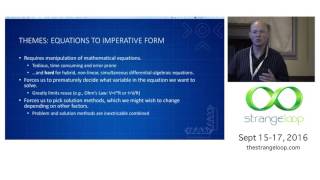
Modelica - Component Oriented Modeling of Physical Systems
Explore component-oriented modeling of physical systems using Modelica, a language for simulating complex devices in various industries. Learn about compilation processes and algorithms.
Validating Defence Mechanism of Cyber-Physical Systems via Attack Tool
Evaluation of defence mechanisms for cyber-physical systems using attack tools, focusing on distributed attack detection in industrial control systems and SWAT network architecture.
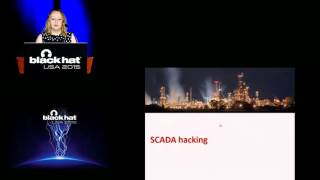
Rocking the Pocket Book - Hacking Chemical Plant for Competition and Extortion
Explore techniques for exploiting chemical plant systems to cause economic damage while avoiding detection. Learn about attack stages, cost considerations, and creating misleading forensic evidence.
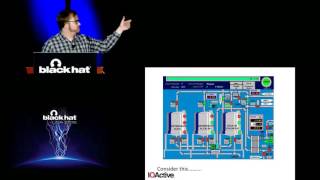
Remote Physical Damage 101 - Bread and Butter Attacks
Explore cyber-physical attacks on industrial systems, including generic "bread and butter" techniques and mitigation strategies beyond network security.
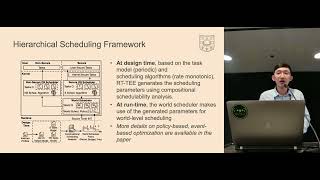
RT-TEE - Real-time System Availability for Cyber-physical Systems using ARM TrustZone
Explore real-time system availability for cyber-physical systems using ARM TrustZone technology, focusing on enhancing security and performance in critical applications.
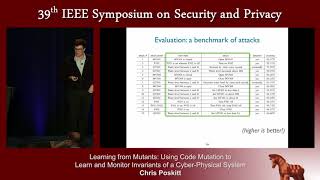
Learning from Mutants - Using Code Mutation to Learn and Monitor Invariants of a Cyber-Physical System
Innovative approach to automatically construct CPS models using supervised machine learning on data from systematically seeded software faults, demonstrating efficacy in detecting various attacks on a water purification plant simulator.
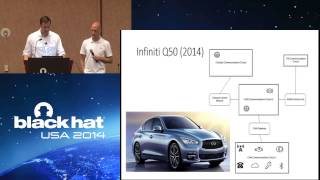
A Survey of Remote Automotive Attack Surfaces
Comprehensive analysis of remote automotive attack surfaces across various manufacturers, exploring vulnerabilities and potential security improvements in modern vehicles.
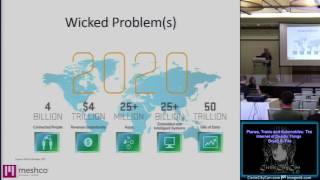
Planes, Trains, and Automobiles - The Internet of Deadly Things
Explore the intersection of cybersecurity and physical systems, focusing on transportation safety, autonomous vehicles, and potential risks in an increasingly connected world.

Linino.IO - A Whole New Take
Explore Linino.IO: bridging cyber and physical worlds with open hardware/software, integrating sensors and actuators into a cloud-based framework using JavaScript and Node.js.
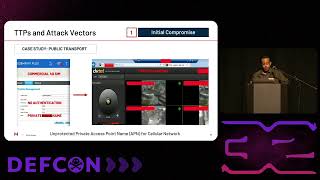
Red Team Attack Simulation for Operational Technology - Real-World Case Studies
Dive into real-world attack vectors and strategies for industrial networks through a decade of Red Team exercises, focusing on operational technology and control system vulnerabilities.
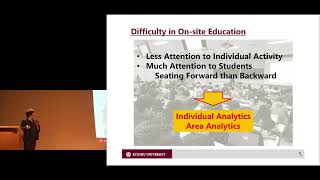
ラーニングアナリティクスとサイバーフィジカル社会における教育支援 - 2018年3月
Discover how learning analytics and educational big data can enhance teaching and learning support in cyber-physical society through research cases and practical applications.
Cyber-Physical Metaverse: Bridging Real and Virtual Worlds
Explore the Cyber-Physical Metaverse concept, bridging real and virtual worlds through Digital Twins. Learn about evolving technologies, standardized interfaces, and their impact on intelligent systems and automated driving.
Metacognition in Cyber-Physical Systems
Explore metacognitive approaches in cyber-physical systems and their integration with AI, focusing on advanced system control and decision-making processes in modern computing environments.
Lingua-Franca: A Language to Coordinate RIOT - RIOT Summit 2024
Explore Lingua Franca integration with RIOT for improved reliability in cyber-physical systems. Learn about this time-centric language for concurrent, distributed development.
Open Source Industrial Control: Turning 2,800 Tons of Metal with Python and Flask
Discover how Python and Flask revolutionize hydropower generator maintenance, enhancing safety and efficiency in turning massive rotors with precision for the Bureau of Reclamation's operations.

Open Source Industrial Control: Turning 2,800 Tons of Metal with Python and Flask
Discover how Python and Flask revolutionize hydropower generator maintenance, enhancing safety and efficiency in turning massive rotors with precision for the Bureau of Reclamation's operations.

Hello AI World! - Why Developers Should Care About AI
Explore modern AI tools for developers, including machine learning and deep learning, to enhance products and services. Learn to leverage AI capabilities through simple API calls.