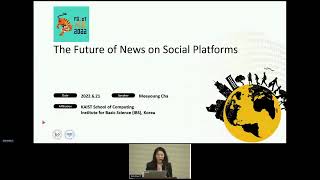
The Future of News on Social Platforms
Explore algorithmic amplification's impact on news ranking, misinformation, and fact-checking. Learn about South Korea's COVID-19 misinformation response and the Facts Before Rumors campaign.

It's Not the Data - Weak Tie Algorithmic Sociality and Digital Culture
Explore digital culture, algorithmic sociality, and the impact of networked technologies on Black everyday lives with André Brock's insightful analysis of Western technoculture and Black cybercultures.

Power in Political Philosophy - Nature and Justification
Explore the nature and justification of power in political philosophy, examining key concepts and theories that shape our understanding of political authority and legitimacy.
A World Without Apps
Envisions a future where digital interactions are seamlessly integrated into our environment, eliminating the need for standalone apps and revolutionizing user interfaces.
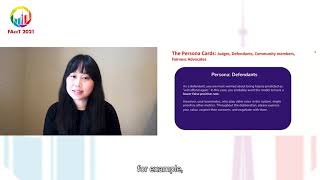
Value Cards - An Educational Toolkit for Teaching Social Impacts of Machine Learning through Deliberation
Explore an innovative educational toolkit using value cards to teach the social impacts of machine learning through deliberation and critical thinking.
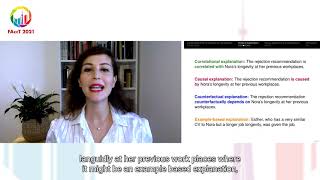
Reasons, Values, Stakeholders - A Philosophical Framework for Explainable AI
Explore a philosophical framework for explainable AI, examining the interplay between reasons, values, and stakeholders to enhance transparency and ethical considerations in artificial intelligence systems.
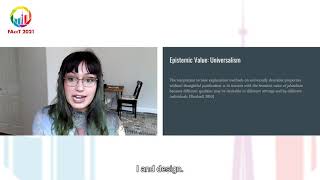
Epistemic Values in Feature Importance Methods - Lessons From Feminist Epistemology
Explore how feminist epistemology insights can enhance feature importance methods in machine learning, addressing biases and improving interpretability in AI systems.
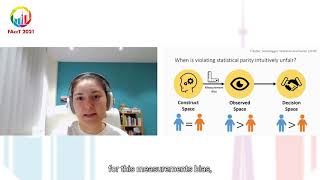
On the Moral Justification of Statistical Parity
Explore the ethical implications of statistical parity in algorithmic decision-making, examining its moral justification and impact on fairness in AI systems.
Mixed Messages - The Limits of Automated Social Media Content Analysis
Explore limitations of automated content analysis on social media, examining accuracy, bias, and implications for free expression and content moderation policies.
What Is Discrimination, When Is It Wrong and Why?
Exploration of discrimination's definition, permissibility, and ethical implications. Surveys scholarly perspectives on discrimination law's purpose and debates surrounding various approaches to identifying wrongful discrimination.
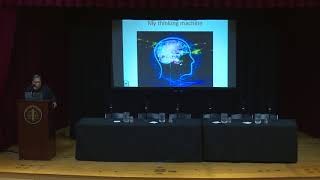
Saving Humanity
Explore the impact of AI and technology on society, policy, and human values with Harvard's Latanya Sweeney. Examine unforeseen consequences and discuss how to shape our technological future responsibly.
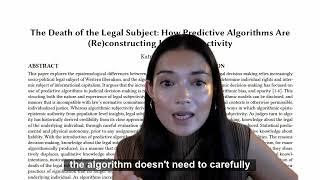
The Death of the Legal Subject - How Predictive Algorithms Are -Re-constructing Legal Subjectivity
Explore how predictive algorithms reshape legal subjectivity, challenging traditional notions of individual agency and responsibility in the justice system.
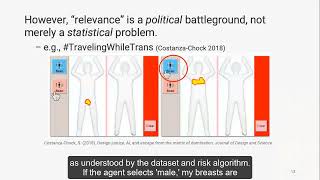
Are "Intersectionally Fair" AI Algorithms Really Fair to Women of Color? - A Philosophical Analysis
Philosophical examination of AI algorithms' fairness towards women of color, challenging the concept of "intersectional fairness" in artificial intelligence.
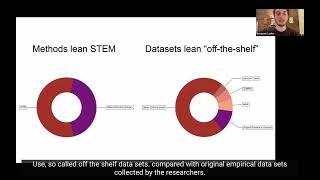
Four Years of FAccT - A Reflexive, Mixed-Methods Analysis of Research Contributions, Shortcomings, and Future Prospects
Reflexive analysis of FAccT research, examining contributions, limitations, and future directions in computing fairness, accountability, and transparency over four years.
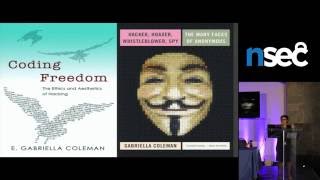
How Anonymous Narrowly Evaded the Cyberterrorism Rhetorical Machine
Explore the factors that prevented Anonymous from being labeled as cyberterrorists, despite their global political activism and masked identity. Gain insights into the complex dynamics of digital activism and cybersecurity rhetoric.
Deconstructing Our Perception of Perfection
Explore how medical professionals' avoidance of crucial aspects impacts patient care and potential life-saving improvements in healthcare.
The Wonders of a Wandering Mind
Explore the concept of "multi-perspectiving" and cross-disciplinary thinking, discovering how these unique human brain abilities shape our world and drive innovation.
A Science Award That Makes You Laugh, Then Think
Explore improbable research and weird science with Marc Abrahams, founder of the Ig Nobel awards, as he argues for the importance of silliness in boosting public interest in science.
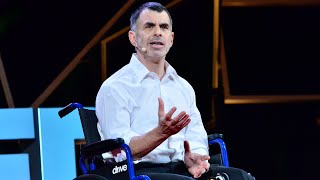
What the US Health Care System Assumes About You
Explores assumptions in US healthcare that disadvantage low-income patients, highlighting disparities and proposing solutions to improve access and outcomes for vulnerable populations.
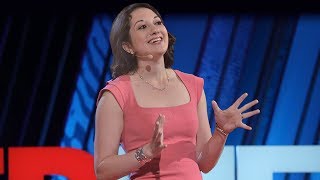
When Was the Last Time You Really Changed Your Mind?
Explore the psychological barriers to changing deeply held beliefs and why facts alone may not be enough to persuade others, with insights from behavioral science and public health.
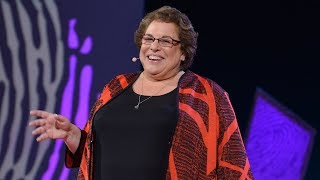
Should We Fear Gene Editing?
Explore the ethical implications of gene editing with bioethicist Alta Charo. Gain insights into the history, benefits, and concerns surrounding genetic technologies and their impact on society.