Resuscitation of the Critically Ill Patient - The Advanced EM Boot Camp
Comprehensive guide to managing critically ill patients, covering advanced topics in emergency medicine including NIPPV, high-flow oxygen, intubation, and DKA management.

The Febrile Infant - The Advanced EM Boot Camp
Comprehensive guide on managing febrile infants, covering assessment, risk factors, and treatment approaches. Equips emergency physicians with advanced knowledge for optimal pediatric care.

Protein C and Protein S
Explore the roles of Protein C and S in blood coagulation, their vitamin K dependency, and related disorders like Factor V Leiden and warfarin-induced skin necrosis.
Advanced Cardiac Life Support (ACLS) Guidelines Update - Getting Ps of Mind
Learn updated ACLS guidelines, focusing on high-quality CPR, cardiac arrest management, and advanced resuscitation techniques to improve patient outcomes in emergency situations.

Sepsis in the Critically Ill Child
Comprehensive overview of sepsis in critically ill children, covering prevention, diagnosis, management, and future research directions. Valuable for pediatric healthcare professionals.
Nursing World Shared Practice Forum - RESTORE Protocol with Martha Curley, PhD, RN, FAAN
Dr. Curley discusses the RESTORE Protocol for managing sedation in pediatric patients on mechanical ventilation, its development, implementation, and impact on patient outcomes, emphasizing safe nurse-led sedation management.
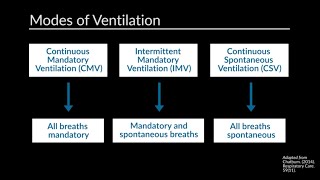
Conventional Mechanical Ventilation - Initial Settings
Learn initial settings for conventional mechanical ventilation in pediatrics, covering mode selection, tidal volume, and other key parameters for optimal patient care.
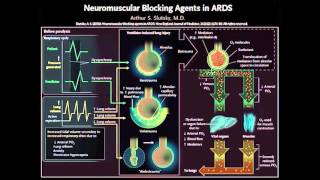
Why Spontaneous Breathing and Synchrony Matters
Explore the importance of spontaneous breathing and patient-ventilator synchrony in critical care, discussing benefits, potential risks, and clinical implications for respiratory muscle function and patient outcomes.

Ventilator Waveforms
Comprehensive guide to interpreting ventilator waveforms, covering pressure, volume, and flow. Learn troubleshooting techniques for mechanical ventilation issues across various modes and scenarios.
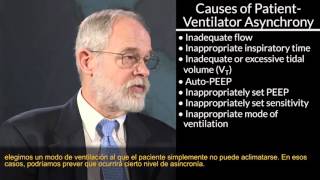
Challenges in Mechanical Ventilation with Bob Kacmarek
Comprehensive overview of patient-ventilator synchrony in mechanical ventilation, covering types, analysis, and correction of asynchrony, with focus on improving patient outcomes.

Cerebral Edema in Diabetic Ketoacidosis
Comprehensive overview of cerebral edema in diabetic ketoacidosis, covering risk factors, diagnosis, development, and treatment strategies. Essential for healthcare professionals managing pediatric DKA complications.

Asthma by Gerhard Wolf, MD for OPENPediatrics
Comprehensive overview of ICU management for asthma patients, covering pathophysiology, medications, intubation, ventilation, inhaled gases, and sedation techniques for healthcare professionals.

ARDS - The "Real" Definition by Gordon Rubenfeld, MD M.Sc for OPENPediatrics
Explore ARDS definition, clinical phenotypes, and challenges in diagnosis. Learn about the Berlin Definition, its impact, and potential future directions in ARDS research and classification.

Advancing Pediatric Nursing Through Research with Martha Curley
Explore advancements in pediatric nursing research with Martha Curley, covering key papers from 2013 across various dimensions of nursing practice, from physiological management to ethical leadership.

Hyponatremia in the Critically Ill Child
Explore pathophysiology, diagnosis, and treatment of hyponatremia in critically ill children through expert insights and clinical case studies. Learn to manage this common electrolyte disorder effectively.

Challenges in Mechanical Ventilation - Patient-Ventilator Synchrony
Dr. Kacmarek explores patient-ventilator synchrony, covering types of asynchrony, effects of ventilation modes, and clinical significance. Gain insights into improving respiratory care outcomes.

Tumor Lysis Syndrome - Dr. Andrew L. Hong for OPENPediatrics
Comprehensive overview of tumor lysis syndrome, covering pathophysiology, clinical findings, prevention, and management. Includes case studies for practical application in pediatric oncology.
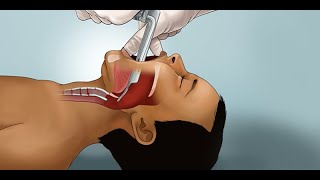
Pediatric Endotracheal Intubation
Comprehensive guide to pediatric orotracheal intubation, covering indications, anatomy, equipment, procedure, complications, and aftercare. Includes simulations and animations for effective learning.

Steroids and Septic Shock: A Tale as Old as Time
Comprehensive exploration of corticosteroid use in pediatric septic shock, covering pathophysiology, risks, benefits, and treatment approaches. Ideal for healthcare professionals seeking evidence-based insights.

Advantages and Disadvantages of Biomarker-Based Endotyping for Critical Care
Explore biomarker-based endotyping in critical care: advantages, limitations, and future prospects for sepsis and ARDS research, with insights from pediatric and adult studies.

Boot Camps and Critical Care - The Future of Medical Training
Dr. Nadkarni explores the evolution and future of critical care fellow training, focusing on boot camps and orientation programs. He discusses methodologies, trends, and strategies for effective medical education.