Hack the CPython
Explore CPython's dynamic nature, from modifying AST to hooking evaluation loops. Learn internals step-by-step and discover creative ways to extend Python's functionality at runtime.
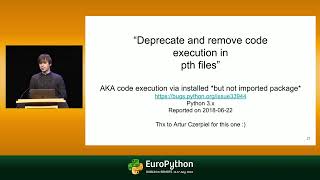
CPython Bugs and Risky Features
Explore security risks in CPython, including directory vulnerabilities, code injection possibilities, and socket issues. Learn about potential threats and mitigation strategies for Python developers and administrators.
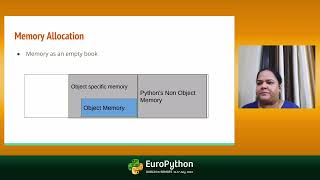
Memory Problems, Did Collector Forget to Clean the Garbage?
Explore Python memory management, common errors, and optimization techniques. Learn about CPython's allocation, garbage collection, and practical ways to improve code efficiency.
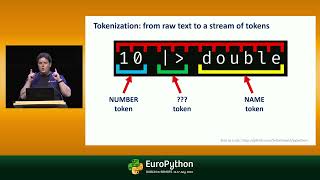
Demystifying Python’s Internals - Diving into CPython by Implementing a Pipe Operator
Dive into CPython's source code by implementing a pipe operator, exploring grammar, syntax trees, and core internals. Learn to navigate and modify Python's codebase for better understanding and potential contributions.

Tales of Python Security
Explore recent CPython security issues, learn responsible reporting, and discover best practices for protection and response in this informative session on Python ecosystem vulnerabilities.

How We Are Supercharging F-Strings in Python 3.12
Discover the enhanced f-strings in Python 3.12, including their improved processing, new capabilities, and advantages for users and developers. Learn about the technical changes and implementation details.
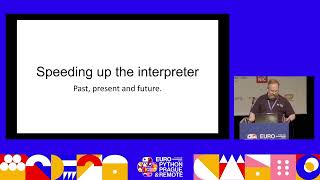
How We Are Making CPython Faster - Past, Present and Future
Explore CPython's performance improvements in Python 3.11 and future releases. Learn about streamlining techniques, speed-up strategies, and potential performance gains in upcoming versions.
Specializing Dynamic Language C Extensions Using Type Information
Explore a technique for optimizing C extension functions in dynamic language interpreters using typed methods, reducing call and return overhead for improved performance.
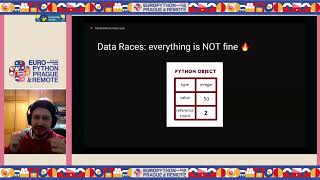
PEP 683 - Immortal Objects: A New Approach for Memory Management in Python
Explore Python's memory management, PEP 683's origins, and its impact on future developments like GIL changes and true parallelism. Gain insights into optimizing large-scale applications.
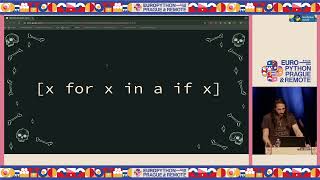
Tales from the Abyss - Most Obscure CPython Bugs and How to Solve Them
Explore obscure CPython bugs, learn advanced debugging techniques, and gain insights into solving complex issues in large codebases like Python's core implementation.
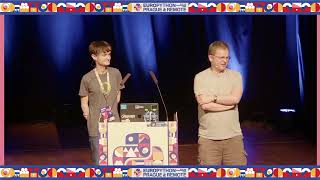
Invent with PyScript - Building Browser-Based Python Applications
Explore PyScript and Invent framework to create Python-based browser applications. Learn design principles, deployment strategies, and unleash your creativity across various platforms.
We Make Python Safer Than Ever
Explore efforts to enhance Python's security, including PyPI audits, improved practices, and community involvement. Learn about challenges, progress, and future plans for a safer ecosystem.

Building a JIT Compiler for CPython
Explore CPython's JIT compiler development using "copy-and-patch" technique, addressing challenges and tradeoffs in performance optimization for diverse platforms and user bases.
CPython's Compilation Pipeline: From Source to Code Object
Explore CPython 3.13's refined compilation pipeline, from source to code object, and learn about Codoscope, a new visualization tool for understanding Python's translation process.

PEP 683: Immortal Objects - A New Approach for Memory Managing in Python
Explore Python's memory management, PEP 683's origins, and its impact on large-scale applications. Learn about Immortal Objects and their potential for improving performance and enabling true parallelism.

How Two Undergrads Are Speeding Up Future Python Code - Runtime Bytecode Optimization
Discover how two undergraduates are enhancing CPython 3.13's performance with a runtime bytecode optimizer. Learn about their journey and how students can contribute to open-source projects.

Building a JIT Compiler for CPython
Explore CPython's JIT compiler development using "copy-and-patch" technique, addressing challenges and tradeoffs in performance optimization for diverse platforms and user bases.

How Two Undergrads Are Speeding Up Future Python Code - Runtime Bytecode Optimization
Discover how two undergraduates are enhancing CPython 3.13's performance with a runtime bytecode optimizer. Learn about their journey and how students can contribute to open-source projects.

PEP 683: Immortal Objects - A New Approach for Memory Managing in Python
Explore Python's memory management, PEP 683's origins, and its impact on large-scale applications. Learn about Immortal Objects and their potential for improving performance and enabling true parallelism.

CPython's Compilation Pipeline: From Source to Code Object
Explore CPython 3.13's refined compilation pipeline, from source to code object, and learn about Codoscope, a new visualization tool for understanding Python's translation process.
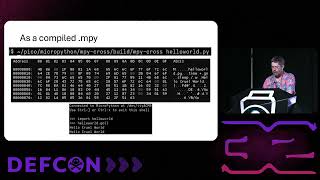
Reverse Engineering MicroPython Frozen Modules
Dive into advanced techniques for identifying and reverse engineering frozen MicroPython modules in firmware using Ghidra, focusing on bytecode analysis and module reconstruction methods.