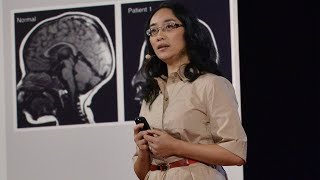
How Organoids Helped Unravel the Mystery of the Zika Virus
Discover how brain organoids revolutionized Zika virus research, linking it to microcephaly and opening new avenues for studying neurological disorders like Alzheimer's and autism.
How Doctors Can Help AI to Revolutionize Medicine
AI's potential to enhance medical decision-making and expand doctors' healing capabilities, with insights from neuroscience and machine learning for the future of healthcare.

A Syrian OB/GYN Perseveres Amidst Conflict
Inspiring story of Dr. Farida, a resilient OB/GYN in war-torn Syria, showcasing her unwavering commitment to patient care despite extreme challenges and dangers in Aleppo and Idlib.

What is a Fair Price for a Lifesaving Cure?
Explore value-based drug pricing and its limitations in ensuring affordable access to revolutionary treatments. Discover innovative models for making future lifesaving drugs accessible to all.
When Was the Last Time You Really Changed Your Mind?
Explore the psychological barriers to changing deeply held beliefs and why facts alone may not be enough to persuade others, with insights from behavioral science and public health.
Caregiving at the Epicenter of the Zika Epidemic
Retina specialist shares insights from treating Zika-affected babies, emphasizing the crucial role of empowering families and caregivers in managing Congenital Zika syndrome.
The Critical Role Librarians Play in the Opioid Crisis
Librarians as first responders: How public libraries are adapting to serve communities affected by the opioid epidemic, providing life-saving interventions and non-judgmental support.
Should We Fear Gene Editing?
Explore the ethical implications of gene editing with bioethicist Alta Charo. Gain insights into the history, benefits, and concerns surrounding genetic technologies and their impact on society.
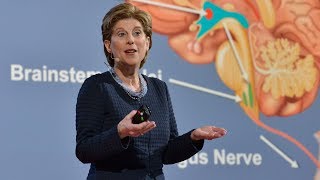
When It Comes to Heart and Brain Disorders, Sex Matters
Explore how prenatal stress affects brain and heart health differently in males and females, influencing disease onset, expression, and treatment responses in adulthood.

What Social Media Looks Like When You Can't See
Blind engineer Matt King shares insights on making social media accessible, exploring assistive technology's role in bridging the disability-accessibility gap online.

Making Sense of Life, Loss, and Love Through Music
Cellist Zoë Keating shares how music became her lifeline after her husband's death, helping her grieve, communicate emotions, and heal through the power of musical expression.
The Harm Reduction Model of Drug Addiction Treatment
Explore harm reduction strategies for drug addiction, including supervised injection sites and methadone clinics, as effective approaches to save lives and support recovery.

Delivering Peace Through Global Health Policy
Exploring how global health initiatives can foster peace and stability, drawing from experiences in Sudan's civil war and the successful implementation of PEPFAR.
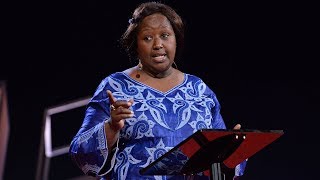
Lessons from Rwanda's Journey to an Equitable Health System
Inspiring talk on rebuilding Rwanda's health system post-genocide, focusing on equity and empowering locals to lead in healthcare improvement efforts.

For Survivors of Ebola - The Crisis Isn't Over
Liberian doctor Soka Moses shares his experience treating Ebola patients during and after the 2014 outbreak, highlighting ongoing health issues and stigma faced by survivors.
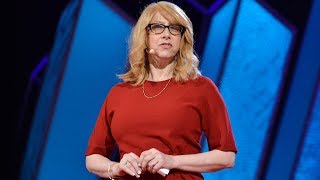
Periods Aren't a Luxury - Why Are They Taxed Like One?
Explore the fight against the "tampon tax" and efforts to recognize menstrual products as essential, not luxury items, in this eye-opening talk on period rights activism.

How One Pediatrician Is Supporting Transgender Youth
Pediatric endocrinologist discusses providing mental health support and puberty suppression therapy for young transgender patients, emphasizing the importance of treating patients for who they are.

Engineering a New Mission for Drones
Discover how drones are revolutionizing healthcare delivery in remote areas, improving access to life-saving medical supplies and transforming global health outcomes.
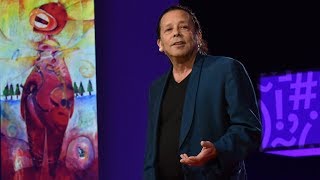
A Portrait of the Patient Experience
Explore how art can communicate patients' stories, helping healthcare providers understand pain, loneliness, and frustration in a more complete way.
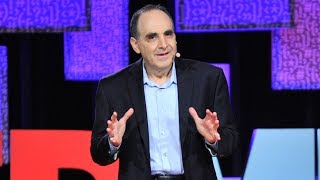
Can Music Heal What Meds Can't?
Explore the transformative power of music in mental health, examining its potential to heal and enhance well-being beyond traditional medication.

Harnessing the Power of Placebos
Explore how mindset influences health outcomes and the potential of placebos beyond inert substances in this thought-provoking talk by Stanford professor Alia Crum.