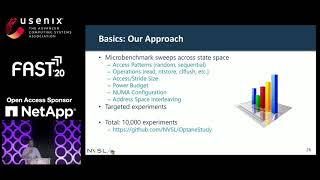
An Empirical Guide to the Behavior and Use of Scalable Persistent Memory
Empirical guide exploring Intel's Optane DIMM behavior, offering insights on performance characteristics and best practices for optimizing persistent memory software in real-world applications.
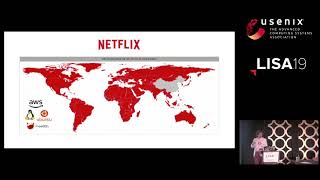
Linux Systems Performance
Comprehensive overview of Linux systems performance, covering tools, methodologies, and techniques for analysis and tuning. Ideal for developers and sysadmins seeking to optimize Linux environments.
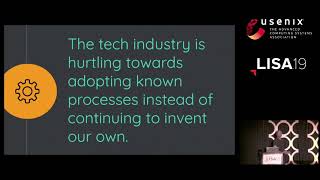
Earthquakes, Forest Fires, and Your Next Production Incident
Explore the Incident Command System's origins, evolution, and application in tech emergencies. Learn to adapt this proven crisis management tool for your operational challenges.
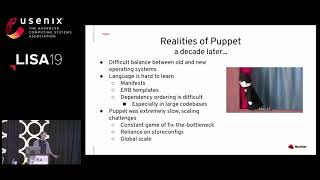
Pulling the Puppet Strings with Ansible
Explore Red Hat IT's journey from Puppet to Ansible for configuration management, discussing migration strategies, challenges, and lessons learned in adopting a more flexible and scalable solution.
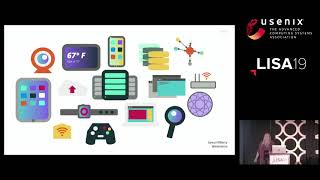
Anatomy of a DDoS
Explore DDoS attacks: structure, evolution, and countermeasures. Learn about botnet creation, recent high-profile incidents, and ongoing efforts to combat this cybersecurity threat.

When -bin-sh Attacks - Revisiting "Automate All the Things"
Explores human factors in automation, challenges for system administrators, and strategies for coping with complex socio-technical systems. Discusses resilience, expertise development, and the ironies of automation.

In Search of Security Shangri-La
Exploring the evolution of cybersecurity practices, challenges in integrating security into tech processes, and strategies for achieving a more collaborative and effective security approach in modern organizations.

Off the Beaten Path - Moving Observability Focus from Your Service to Your Customer
Explore shifting observability focus to customer experience, enhancing service reliability through direct engagement, innovative tools, and rethinking performance metrics for improved user satisfaction.
Network Fault Finding System - Packet Loss Triangulation
Discover how Facebook's active probing system detects network faults in real-time, even in deep layers. Learn to build a similar system using open-source tools and see a live demo.
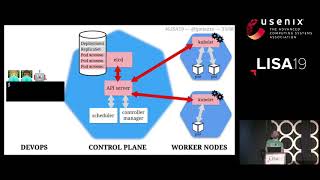
Deep Dive into Kubernetes Internals for Builders and Operators
Explore Kubernetes internals, components, and communication for operators. Learn about control plane, kube-proxy, CNI plugins, and cluster setup through live demonstrations and practical insights.

Why Are Distributed Systems So Hard?
Explore distributed systems' challenges, from CAP theorem myths to network partitions. Learn consensus algorithms, system design for adaptability, and strategies to mitigate risks in distributed computing.

Sub-Region Failure - How to Handle the Partial Loss of a Data Center
Explore Facebook's innovative approach to handling partial data center failures, focusing on system durability and simulated power outages to minimize service disruptions.

What Happens When You Type en.wikipedia.org
Explore Wikipedia's server-side architecture, from routers to microservices, and learn how open-source technologies power one of the world's top websites.

Building Resilience - How to Learn More from Incidents
Discover strategies to enhance organizational resilience through improved incident learning. Explore research-backed approaches to post-incident reviews and avoid common investigation pitfalls.

From Nothing to SRE - Practical Guidance
Practical guidance on implementing Site Reliability Engineering in smaller organizations, addressing unique challenges, gaining buy-in, and fostering a culture of continuous improvement and experimentation.
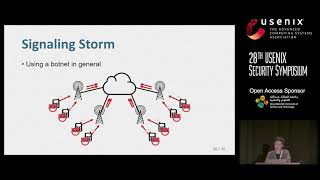
Hiding in Plain Signal - Physical Signal Overshadowing Attack on LTE
Explores a novel LTE signal injection attack, demonstrating higher success rates than fake base station attacks. Discusses implications and potential countermeasures for this physical signal overshadowing vulnerability.
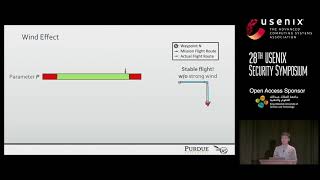
RVFuzzer - Finding Input Validation Bugs in Robotic Vehicles through Control-Guided Testing
Discover input validation vulnerabilities in robotic vehicle control systems using RVFuzzer, a testing tool that leverages control models to improve bug detection accuracy and efficiency.
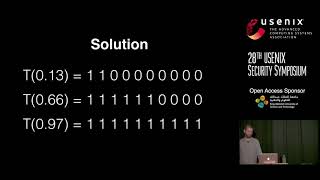
Lessons Learned from Evaluating the Robustness of Defenses to Adversarial Examples
Explore lessons from evaluating adversarial example defenses, common pitfalls, and recommendations for thorough defense assessments in machine learning security research.
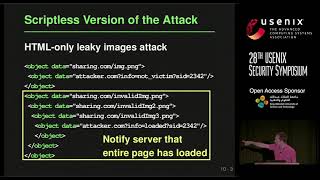
Leaky Images - Targeted Privacy Attacks in the Web
Unveils a novel privacy attack exploiting shared images on popular websites, allowing attackers to track user visits and link identities across platforms without using scripts.
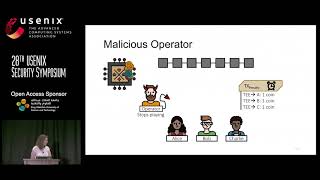
FastKitten - Practical Smart Contracts on Bitcoin
Explore FastKitten, a framework for executing complex smart contracts on Bitcoin using trusted computing environments, offering efficiency and low costs for multi-round applications.
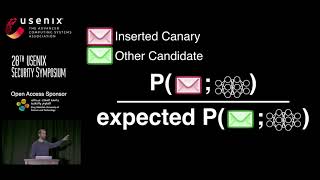
The Secret Sharer - Evaluating and Testing Unintended Memorization in Neural Networks
Explore techniques to evaluate and mitigate unintended memorization in neural networks, focusing on privacy risks and practical strategies for deep learning practitioners.