Tackling Flu During COVID-19 - Lessons Learned and the Path Forward
Experts discuss influenza management strategies, vaccine developments, and policy implications, drawing insights from COVID-19 experiences to improve future pandemic preparedness and response.
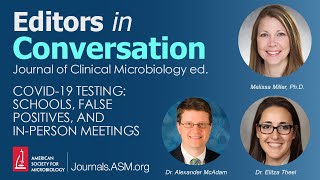
COVID-19 Testing - Schools, False Positives, and In-Person Meetings
Experts discuss COVID-19 testing in schools, false positive results, and the readiness for in-person scientific meetings, providing insights on surveillance programs and the challenges of pandemic-era gatherings.
Overview of the Themed Issue Call for Papers
Editors discuss JMBE sections, submission guidelines, and 2022 Themed Issue topics, covering opportunities in online instruction, biotechnology education, and K-12 microbiology teaching.
Increased Scaffolding and Inquiry in an Introductory Biology Lab Enhance Experimental Design Skills
Explore how increased scaffolding and inquiry in introductory biology labs enhance experimental design skills and scientific confidence, with insights from a research study and course redesign.
Effectively Integrating Case Studies in the Microbiology Classroom During a Pandemic
Strategies for integrating cooperative learning and real-world case studies in microbiology education during pandemic restrictions, focusing on practical implementation and academic objectives.
Testing for COVID-19 Infectivity
Explore COVID-19 infectivity testing methods, their accuracy, and limitations. Learn about viral culture, rapid antigen tests, PCR cycle thresholds, and subgenomic RNA detection for determining SARS-CoV-2 transmission risk.
Treatment of VRE Infections
Explore therapeutic approaches for vancomycin-resistant enterococci infections, focusing on clinical challenges, resistance mechanisms, and treatment strategies for immunocompromised patients.
COVID-19 Variants and Next Steps for Pathogen Genomic Sequencing and Surveillance
Experts discuss CDC's Advanced Molecular Detection Program, focusing on COVID-19 variant sequencing, surveillance strategies, and collaborative efforts to scale up genomic sequencing capabilities in the US.
Advances in Serologic Testing for COVID-19
Explore advancements in COVID-19 antibody testing, including commercial and lab-developed tests for past infection, vaccine response, and virus neutralization. Experts discuss test types, sensitivity, and implications for immunity.
How CDC is Fighting Zoonotic Diseases
Explore CDC's strategies against zoonotic diseases with Dr. Khabbaz, covering emerging threats, pandemic preparedness, and public health infrastructure in this expert discussion.
Staphylococcus Argenteus - Another Coagulase Positive Staphylococcus
Explore Staphylococcus argenteus, a coagulase-positive bacterium previously thought geographically limited. Learn about its identification, distribution, and clinical significance through expert discussions.
Antimalarial Drug-Resistance
Explore antimalarial drug resistance with expert Prof. Sir Nicholas White. Learn about resistance factors, genetic mechanisms, and future prevention strategies for Plasmodium species.
Microscopic Communities - Interdisciplinary Exploration of Microbes in the Classroom
Interdisciplinary exploration of microbes for K-12 students, fostering scientific inquiry and collaboration through hands-on activities and family events.
Beta-Lactam - Beta-Lactamase Inhibitor Combinations
Explore the evolution, mechanisms, and clinical applications of β-lactam/β-lactamase inhibitors in combating antimicrobial-resistant pathogens, with insights on their development and future potential.
Reconciling Genotypic and Phenotypic Susceptibility Tests
Explore the challenges and strategies for reconciling conflicting phenotypic and genotypic susceptibility test results in clinical microbiology, with insights from experts on handling discrepancies and improving accuracy.
Creating a Successful Online Learning Environment
Strategies for effective online biology education: student feedback, research-based practices, communication, course design, accessibility, community building, and feedback mechanisms.
Pandemic Built Environment
Explore microbiology of built environments during the pandemic, focusing on SARS-CoV-2 transmission indoors and strategies for safe indoor operations. Gain insights from experts on managing indoor spaces effectively.
Gaps in Laboratory Diagnosis of Fungal Diseases
Explore challenges in fungal disease diagnosis, rising threats, and advancements in testing methods with experts discussing gaps, methodologies, and future directions in fungal diagnostics.
Developing Non-Traditional Antibiotics
Explore innovative strategies against multidrug-resistant organisms, discussing efficacy, regulatory pathways, and potential of non-traditional antibiotics with expert Dr. John Rex.
Biodegradation and Bioremediation of Organic Compounds
Explore microbial biodegradation and bioremediation of organic compounds, focusing on how bacteria consume oil and chemicals, with insights into engineered systems and environmental applications.
Humans, Microbes and Global Change
Explore human-microbe interactions' impact on global change, focusing on atmospheric trace gases and biogeochemical cycles. Gain insights into environmental challenges and their microbial connections.