Tips for Writing Better Science Industry Resumes
Practical guide for crafting effective science industry resumes. Learn to highlight relevant skills, tailor content to job descriptions, and format for readability to increase chances of landing interviews.
Creating Art and Education with Microbes
Explore the fusion of art and microbiology through agar art, enhancing student understanding of foundational concepts while fostering creativity and engagement in undergraduate research experiences.
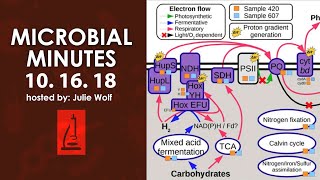
Ancient Viruses, Addiction, and Underground Cyanobacteria - Microbial Minutes
Explore recent microbiology discoveries: ancient viruses linked to addiction, underground cyanobacteria, and the impact of glyphosate on honeybees. Learn about RNA viruses, pathogens, and vaccine effects on public health.
New Antibiotics, Vaccine Updates, and Are Probiotics Useful? - Microbial Minutes
Exploring recent microbiology advances: Zika vaccine for brain cancer, probiotic effectiveness, flu vaccine waning, new antibiotics, and drug interactions in E. coli. Insights on personalized treatments and global health challenges.
Food-Borne Diseases Transmitted by Parasites
Experts discuss the global impact of food-borne parasitic diseases, exploring their distribution, differences from bacteria, and specific cases like exotic parasites in sushi.
Molecular Epidemiology - Critical Applications in Public Health and Clinical Laboratories
Explore emerging technologies in molecular epidemiology and their impact on public health and clinical laboratories. Learn about pathogen genomics, metagenomics, and their applications in disease surveillance and outbreak investigations.
Preparing for Class - Actions and Resources of Introductory Biology Students
Explore student preparation strategies for introductory biology, analyzing actions and resources used under different conditions to enhance learning outcomes and inform instructional approaches.
Prevalence and Mortality Associated with Bloodstream Infections
Explore bloodstream infection prevalence, mortality risks, and recent study findings with experts. Gain insights on detection methods, organism-specific rates, and their impact on patient care and public health.
Teaching CRISPR Cas Genome Editing to Undergraduates
Explore effective strategies for teaching CRISPR-Cas genome editing to undergraduates, focusing on key concepts, practical applications, and innovative pedagogical approaches in biotechnology education.

Consensus on B-Lactamases
Experts discuss inconsistencies in B-lactamase nomenclature, propose guidelines for new alleles and enzymes, and deliberate on future consensus needs in antimicrobial resistance research.
The Effects of Specifications Grading in a Cell Biology Course
Exploring the impact of specifications grading on student learning and attitudes in cell biology, with insights on implementation and effectiveness from experienced educators.
COVID-19 Associated Pulmonary Aspergillosis - The Other CAPA
Explore COVID-19 Associated Pulmonary Aspergillosis (CAPA), its prevalence, identification challenges, and diagnostic approaches. Learn from experts about recent research and optimal detection methods for this serious complication in ICU patients.
Phages as Therapeutic Tools Against Multidrug Resistant Bacteria
Explore bacteriophages as potential therapeutic tools against antibiotic-resistant bacteria, discussing clinical applications, challenges, and future prospects with leading experts in the field.
Antiracist Opportunities in JMBE - Considerations for DEI
Explore antiracist opportunities in microbiology education, focusing on DEI considerations, institutional ideas, and practical approaches to address racial and ethnic biases in academia.
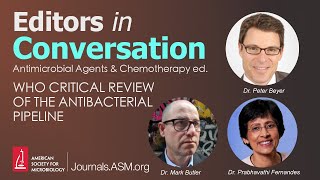
Critical Review of the Antibacterial Pipeline
Análisis crítico de la OMS sobre el desarrollo de antibacterianos, explorando agentes tradicionales y no tradicionales, moduladores en desarrollo clínico y actividad contra patógenos prioritarios, micobacterias y C. difficile.
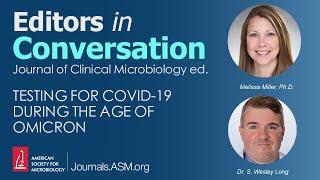
Testing for COVID-19 During the Age of Omicron
Explore Omicron's impact on COVID-19 testing, including rapid antigen and PCR tests, specimen collection, lab resources, and genome sequencing methods. Gain insights from experts on adapting testing strategies.
Impact of COVID-19 Curricular Shifts on Learning Gains on the Microbiology for Health Sciences Concept Inventory
Explore COVID-19's impact on microbiology education through concept inventory analysis, examining learning gains, curricular shifts, and student misconceptions in health sciences.
Treatment of Acinetobacter spp. Infections
Experts discuss urgent public health issue of carbapenem-resistant Acinetobacter infections, exploring current treatments, new drugs, and strategies for managing this challenging bacterial threat.
The Latest in Synthetic Microbiology
Explore advancements in synthetic biology for microbiology research, including new technologies, applications, and future directions. Gain insights from experts on leveraging these tools for various experiments.
Neglected Tropical Diseases Update
Explore neglected tropical diseases' global impact, innovative treatments, and vaccine development with Prof. Hotez. Learn about mass treatment strategies and efforts to combat these widespread yet overlooked conditions.
Innovation in a Time of Crisis - Adapting Active Learning Approaches for Remote Biology Courses
Strategies for adapting active learning approaches in remote biology education, focusing on innovative techniques to engage students and maintain educational quality during crisis situations.