From Finding New Type of Logical Flaw at Linux Kernel to Developing New Heap Exploitation Technique
Discover Pspray, a novel Linux kernel exploitation technique enhancing reliability for targeted attacks. Learn about its effectiveness across various memory vulnerabilities and its impact on cybersecurity.
Demystifying AI and Machine Learning to Enhance SOC Detection
Demystifies AI and machine learning for SOC teams, focusing on practical applications like data leak prevention. Includes live demo and insights from Credit Agricole's SOC experience.
Human or Not - Can You Really Detect the Fake Voices?
Explore AI-synthesized speech detection techniques and their real-world effectiveness in combating voice cloning and fake audio. Uncover challenges and limitations in current approaches.

Is WebAssembly Really Safe? - Wasm VM Escape and RCE Vulnerabilities Have Been Found in New Way
Explore WebAssembly security vulnerabilities through a new fuzzing framework, focusing on VM escape and RCE risks in Wasm runtimes for edge computing and web applications.
AEPIC Leak - Architecturally Leaking Uninitialized Data from the Microarchitecture
Systematic analysis of CPU vulnerabilities, exploring root causes and connections between transient-execution attacks and architectural vulnerabilities. Identifies blank spots in CPU security research.
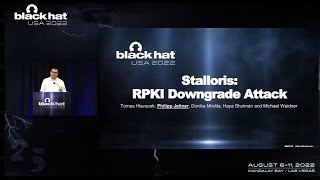
Stalloris - RPKI Downgrade Attack
Demonstration of novel downgrade attacks against RPKI, exposing networks to prefix hijacks by disabling RPKI validation through malicious publication points.
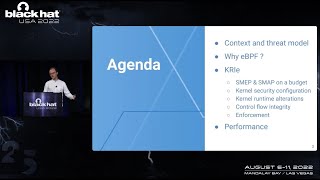
Detecting Kernel Exploits with eBPF
Explore eBPF's evolution in Linux, its expanding capabilities, and its potential for detecting kernel exploits, with insights on probes, challenges, and performance implications.
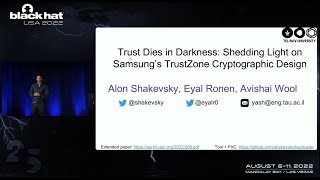
Trust Dies in Darkness - Shedding Light on Samsung's TrustZone Keymaster Design
Exposing critical security flaws in Samsung Galaxy devices' hardware-backed keystore through reverse engineering, revealing vulnerabilities in cryptographic design and implementation.
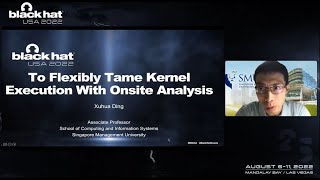
To Flexibly Tame Kernel Execution With Onsite Analysis
Explore OASIS, a framework for dynamic kernel analysis, enabling flexible control and data collection from kernel threads for various applications like memory introspection and malware testing.
The Open Threat Hunting Framework - Enabling Organizations to Build, Operationalize, and Scale Threat
Explore the Open Threat Hunting Framework to build, operationalize, and scale threat hunting in organizations. Learn from industry experts about effective strategies and best practices.
Malware Classification With Machine Learning Enhanced by Windows Kernel Emulation
Explore hybrid machine learning for malware classification using static and dynamic analysis, Windows kernel emulation, and neural networks. Learn about adversarial ML and future developments.

DirectX - The New Hyper-V Attack Surface
Explore vulnerabilities in Hyper-V's GPU-Paravirtualization feature, examining 4 fixed DirectX component issues and their implications for virtualization security.

Revealing the Secrets of Siemens S7 PLCs
Uncover vulnerabilities in Siemens ET 200SP SoftPLC, exploring its architecture, boot process, and potential attack vectors. Learn about PC-based PLCs and their security implications in industrial control systems.
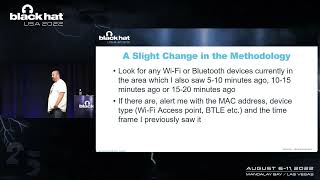
Chasing Your Tail With a Raspberry Pi
Methodology for detecting wireless signal tracking using low-cost hardware and Python. Covers SIGINT techniques, MAC address randomization, and provides code for DIY implementation.
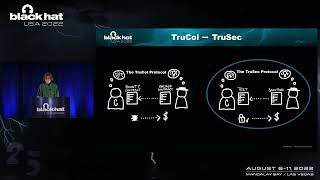
Eliminating Triage Intermediaries for Zero-day Exploits Using a Decentralised Payout Protocol
Explore a protocol for collectivizing security bounties, enabling companies to showcase software security and ethical hackers to retrieve bounties without ambiguity, eliminating subjectivity in triage processes.
Déjà Vu - Uncovering Stolen Algorithms in Commercial Products
Techniques for detecting unauthorized use of algorithms in commercial products, including search methods, reverse-engineering, and a real-world case study. Provides strategies for addressing IP theft and prevention.
Ghost in the Wireless - iwlwifi Edition
Explore Intel Wi-Fi chip vulnerabilities through reverse-engineering, uncovering firmware exploits and code execution risks in complex features like Wake-on-WLAN and TDLS.
How Firefox Uses In-process Sandboxing to Protect Itself From Exploitable Libraries
Explore Firefox's innovative approach to mitigating zero-day attacks using in-memory sandboxes for third-party C libraries, enhancing security against memory safety vulnerabilities.

The Business Case for Working with Your Toughest Critics
Former McDonald's VP shares insights on corporate sustainability, collaborating with critics, and finding mutually beneficial solutions for business and society.

What Vaccinating Vampire Bats Can Teach Us About Pandemics
Discover how tracking vampire bats in the Amazon rainforest could help predict and prevent disease outbreaks, potentially stopping future pandemics before they start.

Lessons from Fungi on Markets and Economics
Explore how fungi networks mirror human economies, revealing insights on resource inequality and strategic trading behaviors in nature, with implications for understanding complex economic systems.