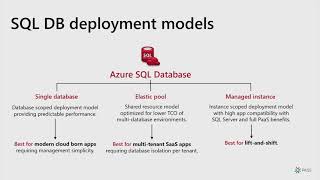
Azure SQL Database Serverless - Compute Autoscaling Solution to Optimize Database Performance and Cost
Learn about Azure SQL Database Serverless, an autoscaling compute tier that optimizes costs and performance for databases with unpredictable usage, automatically scaling and pausing based on demand.

An Introduction to Data Visualizations and Design Best Practices
Learn effective data visualization techniques, including chart selection, color theory, and design principles to enhance your data storytelling skills and create impactful Power BI reports.
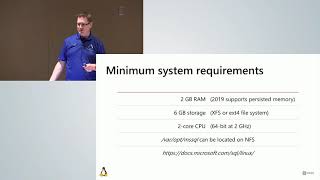
Managing and Monitoring SQL Server on Linux from the Command Line
Explore command-line tools for managing SQL Server on Linux, including installation, configuration, and monitoring. Learn to leverage bash for querying DMVs and gain insights for seasoned command-line users.
Help Me SSIS Logging, You're My Only Hope!
Discover effective SSIS logging techniques to troubleshoot errors, tackle inefficiencies, and identify data flow issues. Learn about built-in options and custom logging implementation for comprehensive package monitoring.
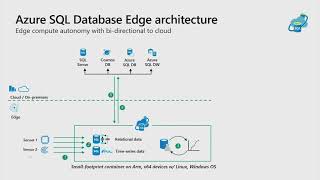
Azure SQL Database Edge - Overview
Explore Azure SQL Database Edge: optimized for edge computing with streaming support, machine learning, and "develop once, deploy anywhere" capabilities. Learn about features, deployments, and customer scenarios.
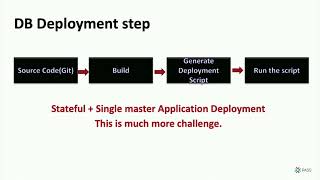
Database CICD - Continuous Integration and Deployment
Learn to automate database operations and deployments for efficient management of hundreds of databases, meeting industry demands for faster, streamlined processes.
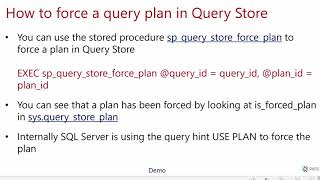
Query Store In-Depth
Explore Query Store's capabilities, quirks, and real-world applications for troubleshooting performance issues in SQL Server, including updates for SQL Server 2019.
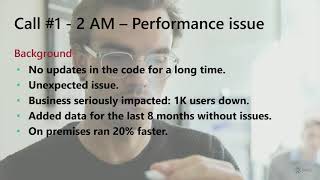
Azure SQL Database - Lessons Learned from the Trenches
Discover best practices, tips, and monitoring techniques for optimizing Azure SQL Database performance in production environments, based on real-world Microsoft CSS support cases and customer engagements.
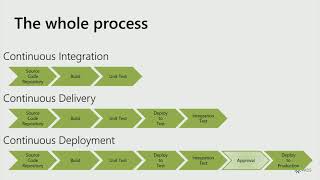
Continuous Intelligence - What's This All About?
Explore Continuous Intelligence, combining Continuous Integration and Business Intelligence for flexible BI application deployment. Learn advantages, challenges, and implementation strategies for Analysis Services.
Taking Leadership to the Next Level - Mastering Your Own Growth
Develop a personalized system for continuous self-improvement as a leader, balancing technical and soft skills to achieve your goals and lead effectively in various situations.
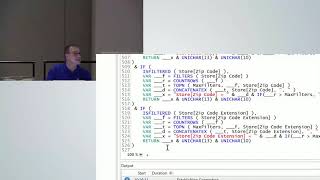
Improve Your Power BI Reports with DAX
Enhance Power BI reports with practical DAX formulas for conditional formatting, non-additive measures, top N analysis, and dynamic slicer descriptions. Hands-on examples provided for immediate application.

An Introduction to Data Visualizations and Design Best Practices
Learn effective data visualization techniques, including chart selection, color theory, and design principles to enhance your data storytelling skills and create impactful Power BI reports.
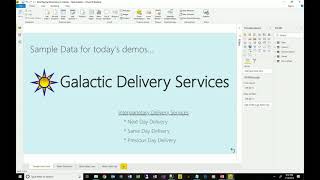
Handling Role Playing Dimensions in Tabular Models
Explore various methods for implementing role-playing dimensions in tabular models, including DAX expressions, with a focus on model maintainability and user experience in data analysis.
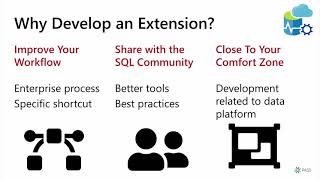
Azure Data Studio Extension Development
Learn to develop extensions for Azure Data Studio using Typescript, exploring APIs, GitHub hosting, and marketplace sharing. Gain practical skills through a live demonstration of building a functional extension.
Azure DevOps Pipelines for BI
Learn to implement DevOps practices for SQL databases, Analysis cubes, and SSIS packages using Azure DevOps Pipelines. Discover techniques for code tracking, compile-time checking, and efficient deployments.
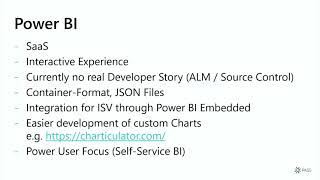
Reporting for Developers
Explore Power BI and SQL Server Reporting Services for developers. Compare features, development environments, and integration capabilities to choose the best platform for your reporting needs.
Using PowerShell on Linux
Learn to install and use PowerShell on Linux, interact with Azure and SQL Server, and discover its potential for Linux administrators. Explore use cases and resources for further learning.
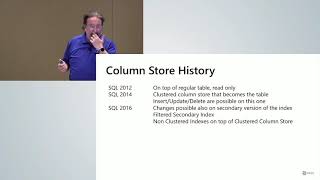
Scaling Clustered Column Store Indexes
Learn to effectively plan, configure, and operate Clustered Columstore indexes for handling trillions of rows, using real-world examples and best practices for partitioning, data type selection, and data insertion.

HA - DR - Too Many Choices
Explore various high availability and disaster recovery options for SQL Server, weighing pros and cons to find the best fit for your company's needs and requirements.

Power Query, M and Dataflow - The Lightsaber for the Data Jedi
Discover Power Query's transformation capabilities, M language benefits, and Dataflows' role in Power BI. Learn advanced features through demos to enhance your data preparation skills.
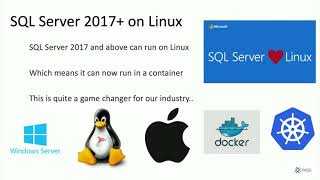
Linux Fundamentals for SQL Server DBAs
Explore SQL Server on Linux: installation, configuration, and management. Learn essential Linux commands and file systems for DBAs transitioning to this open platform.